Carve-outs in online safety bill as crunch time looms
Lucinda Garbutt-Young and Will Nicholas |
Small businesses will be carved out of the government’s plans for online safety crackdowns, as ministers push to get legislation across the line during the final sitting week of the year.
Low-risk business websites will be exempt from Digital Duty of Care requirements if the bill passes, Communications Minister Anika Wells confirmed in a statement.
“The intention of the Digital Duty of Care is to put the onus on tech companies to protect Australians from online harms before they occur – not to create additional burden for low-risk small businesses,” she said on Monday.
The onus would be placed back on technology companies to prevent foreseeable harms online.
Labor hopes to reach an agreement with the Greens, who hold the balance of power in the Senate, after the coalition confirmed it would not support the bill.
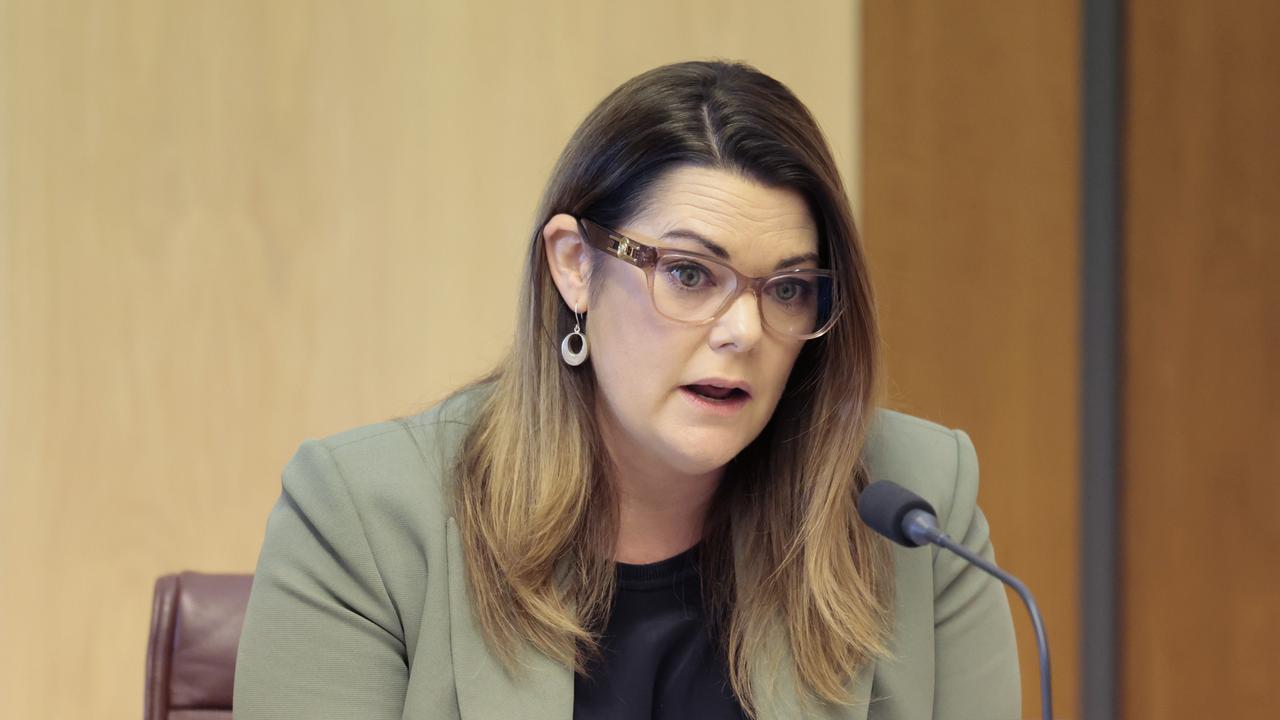
The minor party has called for changes that would allow individuals to sue big tech, and for increased crackdown on hate speech associated with race, sexuality, disability and gender.
Greens communications spokeswoman Sarah Hanson-Young said she was optimistic a decision could be reached.
“We’ve seen them (Labor) open the door to allowing for individuals and organisations to take big tech to court,” she told the ABC.
“If we can come to an agreement, that is great. If it has to wait until next year, so be it.”
Prime Minister Anthony Albanese has returned from a series of overseas summits to crunch time in Parliament, but is facing an uphill battle given his own popularity has taken a nosedive.
The Labor leader trails his opposition counterpart, Angus Taylor, as preferred prime minister for the first time, according to a Newspoll published in The Australian on Monday.
Mr Albanese’s net approval rating also hit a new low of minus 31, while the coalition managed to claw back some voter support.
Its primary vote stood at 22 per cent in the latest survey, behind One Nation and Labor, which were tied on 27 per cent.
Labor announced on Monday it would continue to freeze pharmaceutical benefits scheme medicines at $25 until the end of 2030.
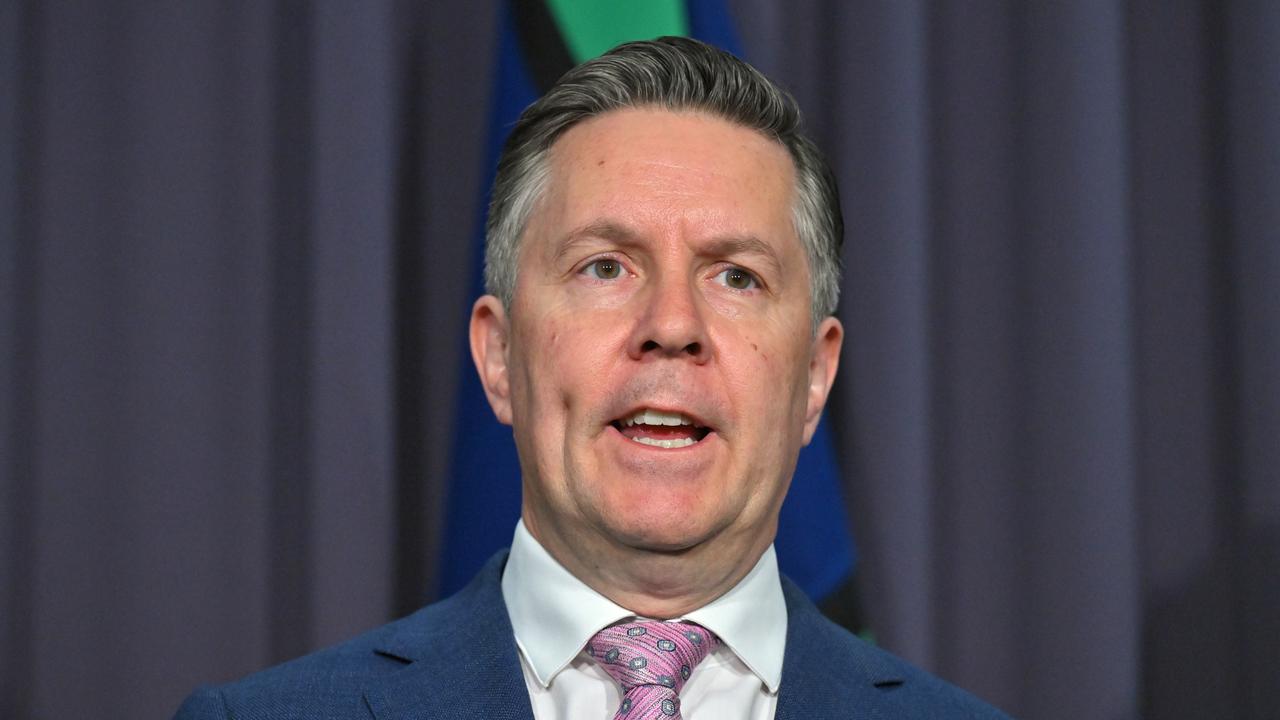
It comes at a strategic time as Health Minister Mark Butler tries to get a controversial bill to wind back the health rebate received by Australians over 65, through the Senate.
Separately, Labor will rely on the opposition to endorse plans for gas companies to set aside up to 20 per cent of their exports for Australian use after a foiled attempt to ram the legislation through the Senate.
The coalition is not satisfied the bill will ensure future investment or new export opportunities for gas producers after Labor caved on demands to effectively exclude WA from the national scheme.
But there’s no hope the coalition will back a minimum 30 per cent tax on some discretionary trusts – a levy the Greens have said must not exempt funds for tax-exempt organisations such as private schools or religious institutions.
The minor party could also decide whether a 50 per cent capital gains tax discount is reinstated for innovative start-ups.
A last-minute counter-proposal from independent MP Allegra Spender has threatened to send that legislation to a summer inquiry.
AAP