AI drones pegged to help protect beachgoers from sharks
Farid Farid and Melissa Meehan |
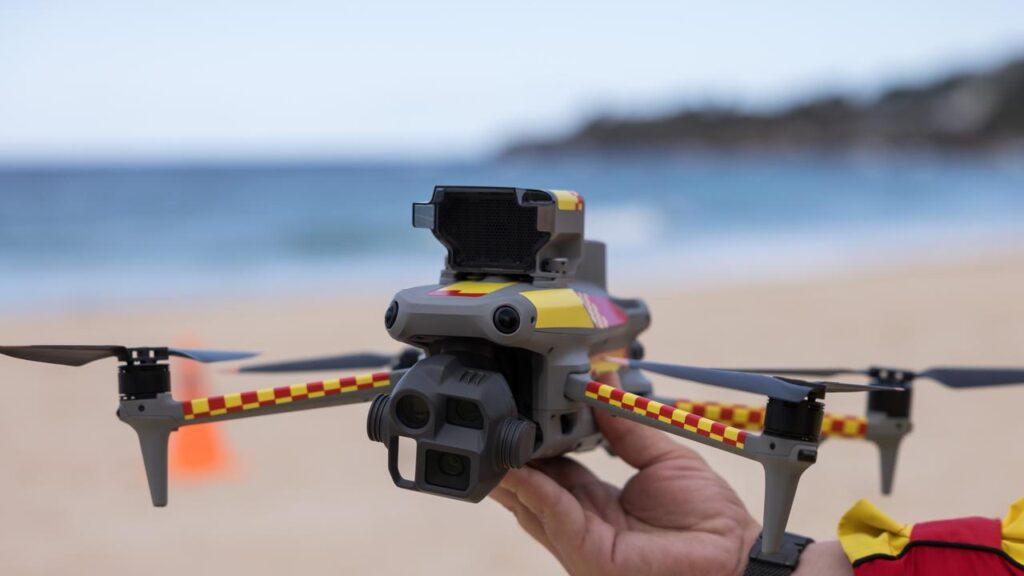
A fleet of drones will patrol beaches from dawn to dusk to spot sharks as artificial intelligence is pegged as a long-term solution to saving lives.
NSW Premier Chris Minns said his government would invest an extra $34 million in a major scale-up of drone coverage across beaches in Sydney and along the state’s coast.
The plan follows a great white shark attack on a woman swimming between the flags at Sydney’s popular Coogee Beach on June 13.
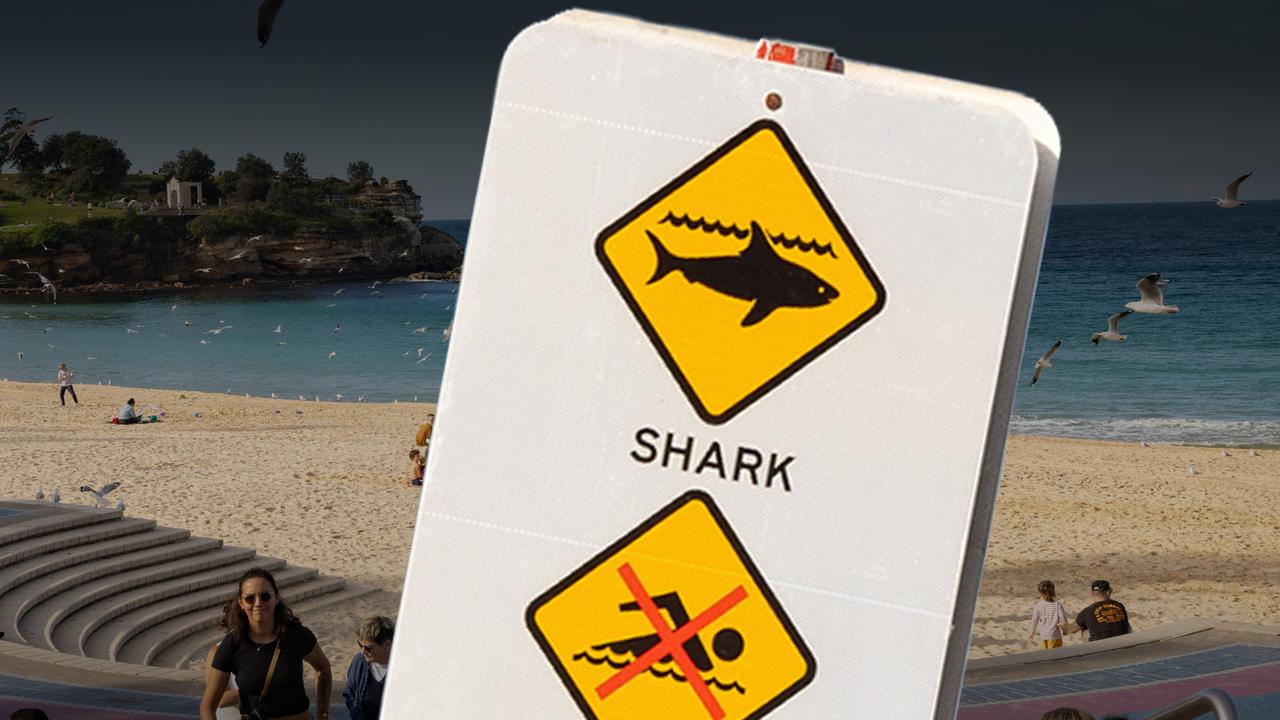
Teacher Leah Stewart, 34, was critically injured and later had her arm amputated following the mauling.
Under the expanded monitoring program, announced on Sunday, 72 beaches – including at least one in every coastal local government area – will benefit from a fleet of drones watching over them 365 days a year.
“No one can promise a shark mitigation program that can guarantee that there will be zero encounters with sharks,” Mr Minns told reporters at Cronulla.
“But our plan here is to reduce the risk for swimmers and surfers in NSW beaches by using the latest technology … so that you get earlier warning if you’re in the water that there is a shark in the vicinity.”
The program could eventually culminate in the use of autonomous, AI-enabled drones, rather than human-controlled craft.
Two trials of the technology are due to take place during summer.
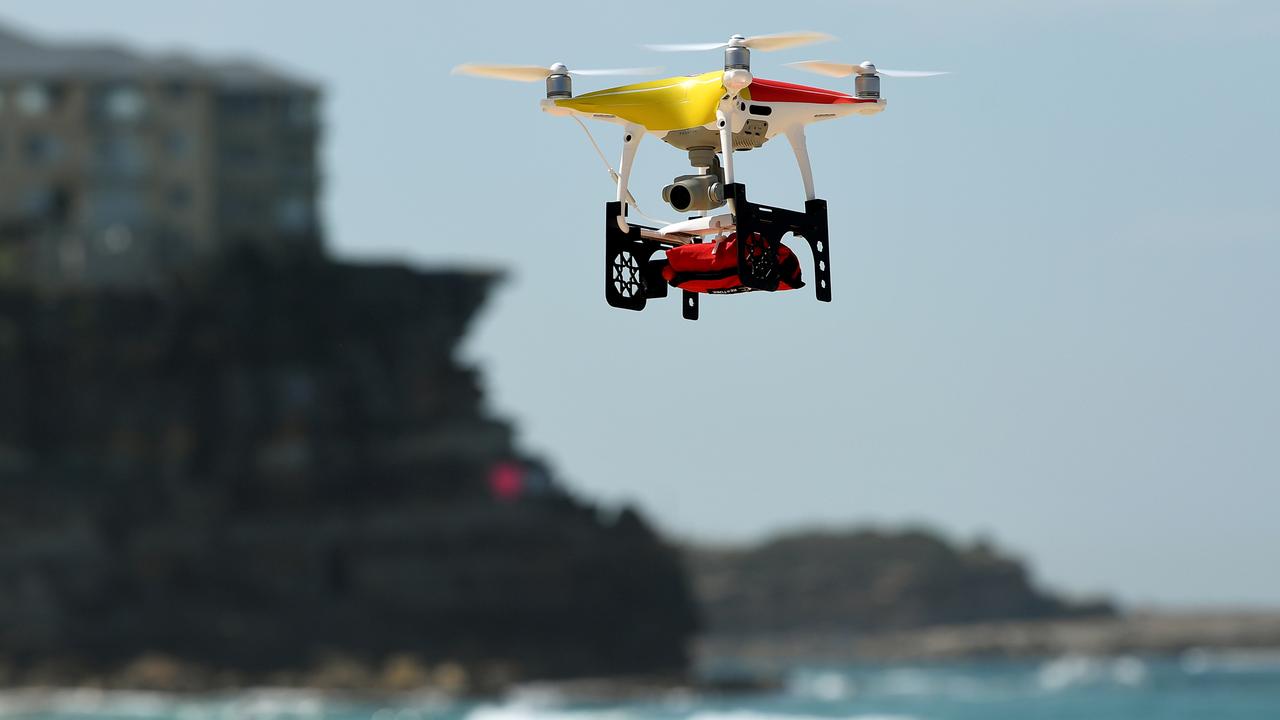
“We want to use old technology and we want to use new technology,” Mr Minns said.
“When we can roll out automated drones and AI-assisted monitoring, (it) will make a big difference … because we’ll be able to identify and distinguish between different kinds of marine life for the first time.”
Beaches with high numbers of water users will be prioritised for the additional monitoring.
The bolstered surveillance will kick off on Wednesday and include year-round coverage of all of Sydney’s main beaches.
Some 500,000 drone flights were expected to be logged annually, Surf Life Saving NSW head Steve Pearce said while pointing to a drone being tested overhead.
“This is just one of a fleet of drones … that will be rolled out, up and down the NSW coastline, that allows our pilots to pilot drones hundreds of kilometres away from where they’re actually situated,” he said.
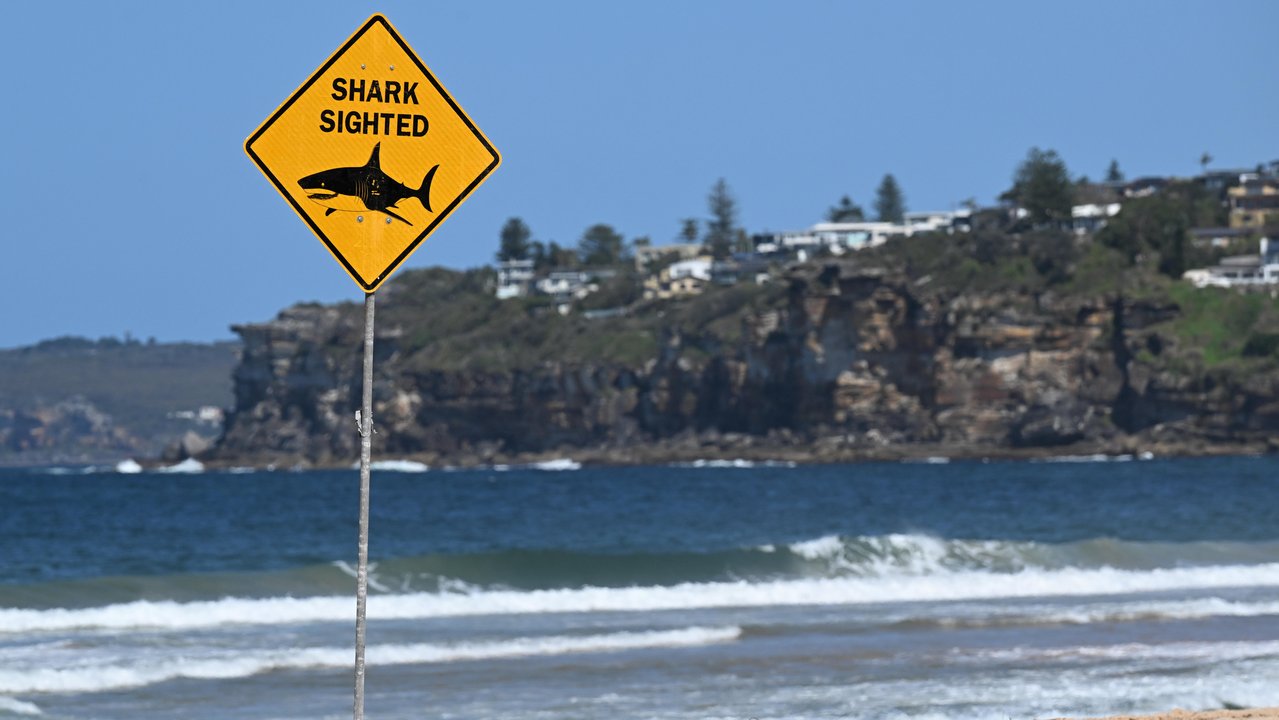
Controversial shark nets will be retained at some beaches, but they will be fortified by aerial surveillance.
Humane World for Animals Australia marine biologist Lawrence Chlebeck welcomed the world-leading commitment to drones, which he said were the best way to watch for sharks and reduce the risk of bites.
But he urged the government to scrap shark nets because they entangled other animals and were considered outdated and ineffective by the scientific community.
The nets, which are removed during the winter whale migration season, will be reinstalled in September.
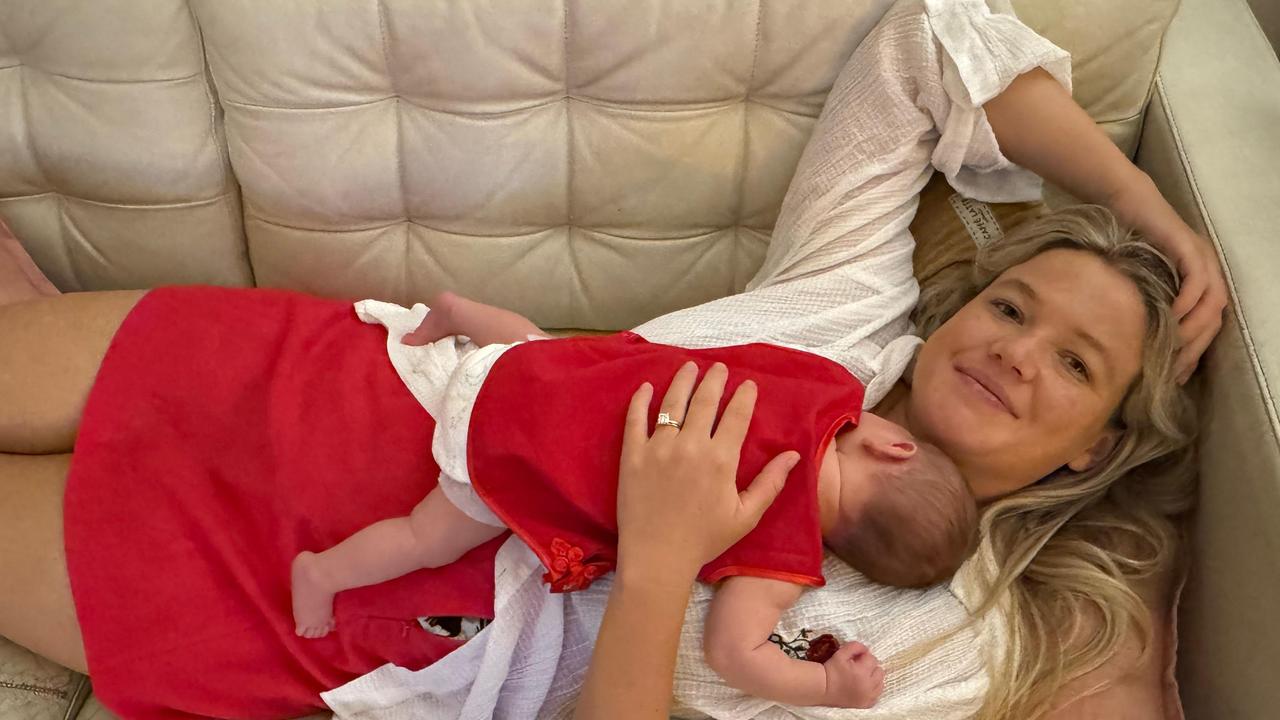
A fundraiser to cover Ms Stewart’s medical procedures and help her family has garnered more than $500,000 in donations.
The 34-year-old mother spent a week on life support and endured multiple surgeries but has been taken off the critical list.
The attack reignited calls to cull shark populations to protect swimmers, but Mr Minns said great whites could not be targeted as they were a protected species.
Nico Antic, 12, was fatally attacked by a shark while swimming with friends near a popular beach at Vaucluse, in Sydney’s east, in January.
Surfer Mercury Psillakis, 57, died after being bitten by a shark at Long Reef beach, in the city’s north, in September.
AAP