Easter road deaths spark call for national leadership
Alex Mitchell |
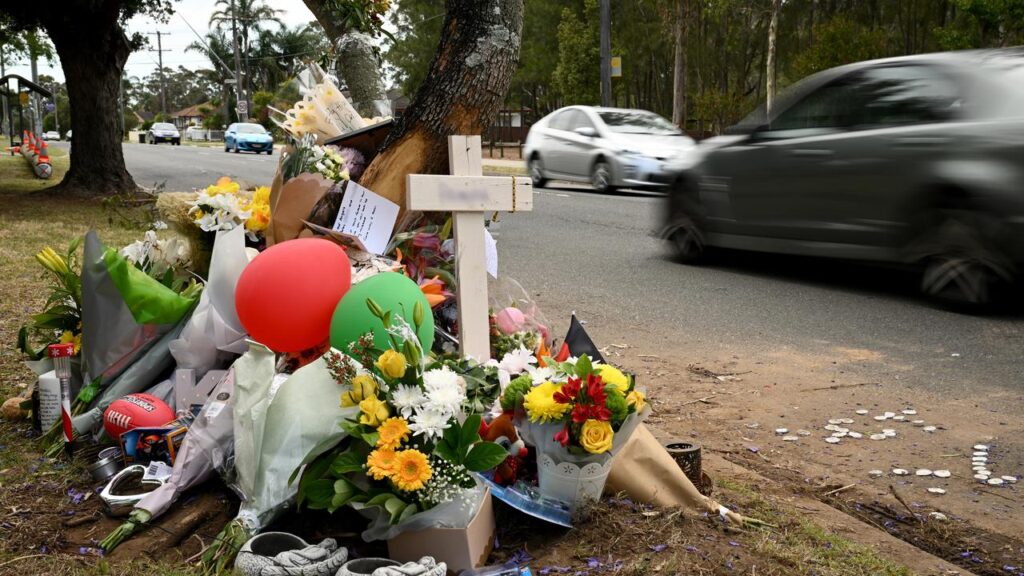
Road safety must be better embedded in school curriculums, advocates say, as Australia reels from another tragic Easter period.
By 12pm AEST on Monday, at least 14 people had been killed in road incidents, with data from Western Australia not yet processed.
Some 110 people had been killed in the previous five Easter long weekends including 21 in 2025, the Australian Automobile Association said.
And more than 1336 people have died on Australia’s roads in the 12 months to February, according to the federal government figures, marking a 4.4 per cent increase from the same time the previous year.

The impact went far beyond the crashes, with devastated families left to bear the devastating consequences, Australian Road Safety Foundation founder and chair Russell White said.
“Death at any time is horrific, but just the swiftness – one minute everything seems normal then suddenly, sometimes through no fault of that person, they are taken away,” he told AAP.
“It’s all those goodbyes, words that were never said, that’s a very difficult thing to deal with and comprehend, emotionally and psychologically.”
Mr White proposed a federal road safety minister to steer a national agenda, including road safety education in the school system.
Through the 1970s, Australia’s annual road toll was heading towards 4000, he said, meaning present levels represented genuine progress.

But car safety improvements, a requirement to wear a seatbelt, random breath testing, better law enforcement and improved medical response cannot always overcome poor driver behaviour.
Australia’s road toll had increased year-on-year since 2020, Mr White said.
“We tend to be really individualistic now, people will choose quite openly to not stick to a road rule … we see some horrific behaviour on the road,” he said.
“That’s a broader thing, quite frankly, that won’t be fixed by road safety improvements, this comes back to what are we teaching people in schools, about respect, about personal responsibility, about being part of community.”
RACV policy head James Williams said the Safe System approach, which shifts responsibility to system designers to make roads and vehicles that are forgiving, was key.

“Resurfacing dangerous roads is the answer, not cutting speed limits as a substitute for proper maintenance,” he told AAP.
“Local councils manage much of the network where crashes occur but remain chronically underfunded … RACV is calling on the Victorian government to increase funding and require councils to report publicly on their road maintenance backlogs.”
Since Good Friday, there have been four deaths in Queensland, one in Victoria, two in Tasmania, three in South Australia, one in the Northern Territory and three in NSW.
Data from Western Australia has yet to be processed.
AAP