Tough state bail laws passed as murdered boy remembered
Lloyd Jones |
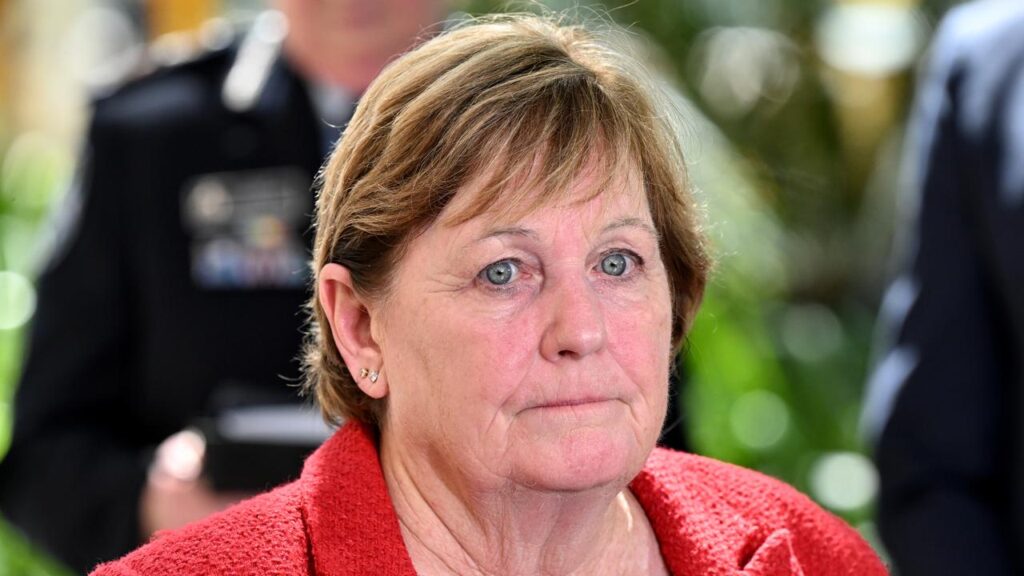
New laws ensuring repeat offenders who breach bail conditions by committing serious crimes face mandatory minimum sentences of 12 months in jail have been passed in a state parliament.
But youth advocates say the laws will lead to many more children in detention where they will become entrenched into a criminal pathway.
The legislation, passed in the Queensland parliament on Thursday night, targets key Daniel’s Law offences and covers young offenders who commit adult crimes.
Daniel’s Law, the state’s first child sex offender register, gives parents and carers access to information on convicted child sex offenders, helping families make informed decisions about the safety of their children.
The law honours the legacy of 13-year-old Sunshine Coast schoolboy Daniel Morcombe, whose murder sparked a decade of advocacy by his parents for stronger child protection laws.
The new laws will see serious repeat offenders who commit an adult crime, adult time offence or a Daniel’s Law child sexual offence while on bail, face a mandatory minimum sentence of 12 months imprisonment.
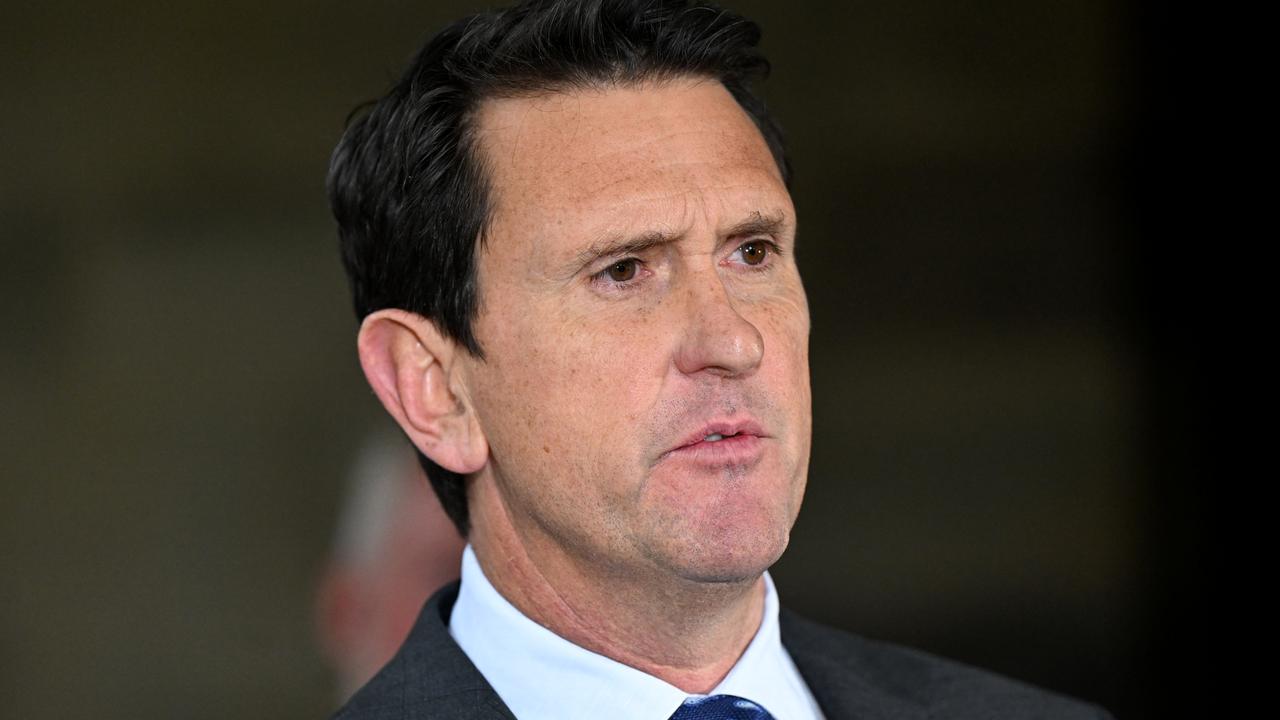
Queensland Police Minister Dan Purdie defended the tough new bail laws, saying “the gig is up” for repeat offenders who could “no longer thumb their noses at the law”.
“You are on bail, you commit another serious crime, you are going to jail,” he told reporters in Brisbane.
But Youth Advocacy Centre CEO Katherine Hayes told AAP the laws were disproportionately harsh because they captured relatively low-level offending.
“We’re concerned there will be children who are at the beginning of a criminal path who could be diverted who will otherwise be brought into the criminal justice system and entrenched into it after they are in detention for a year.”
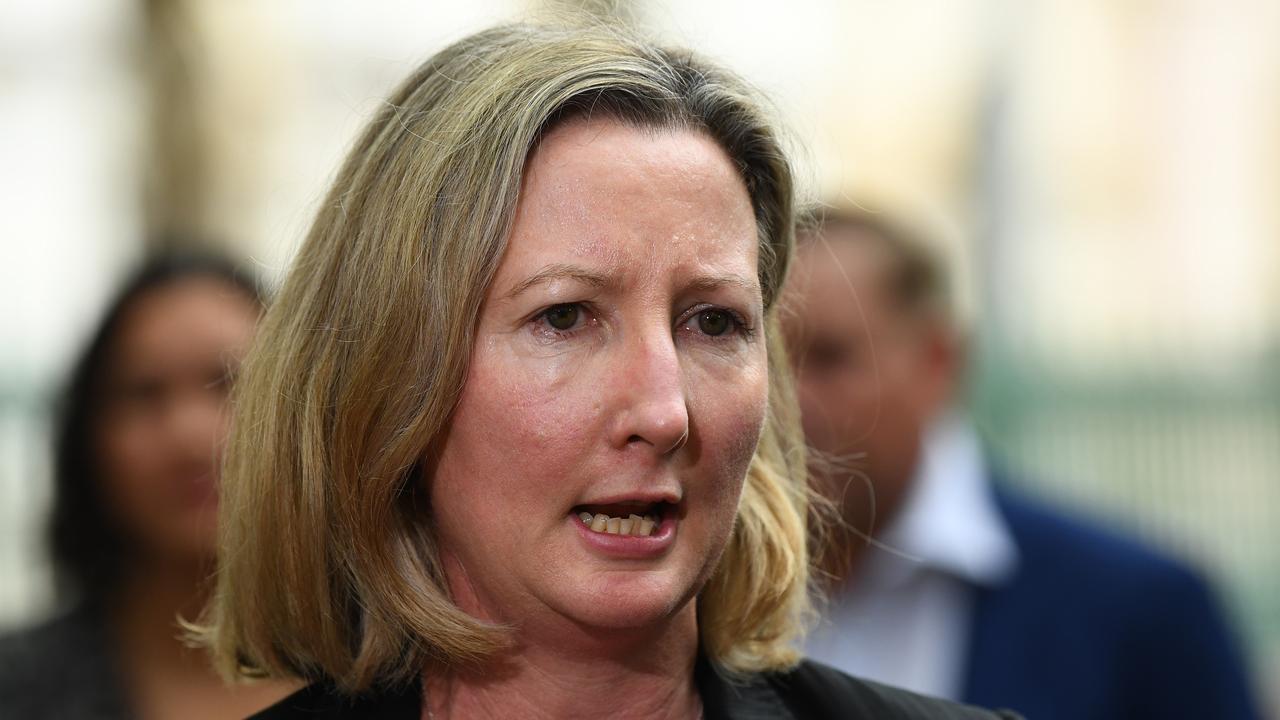
Queensland’s detention centres were already overcrowded, beyond safe capacity and not ready for the large number of children who would be caught up in the new laws, Ms Hayes said.
Keeping a child in detention for a year cost $1 million and to spend that amount to keep children in a failed system that led to high levels of reoffending was “crazy”, she said.
The passing of the new legislation coincides with Friday’s Day for Daniel, with more than 9000 schools, early learning centres, workplaces and community groups across Australia taking part in child safety events.
Denise Morcombe said the Daniel Morcombe Foundation was committed to developing child safety resources for parents, caregivers and teachers.
“This is our son’s legacy making a profound difference,” she said.
“Our message to children and young people is a simple one.
“If someone is harming you now or has harmed you in the past, please speak out. It is never ever your fault. You will be believed and you will be cared for.”
AAP