State enforces L plates to put brakes on e‑bike riders
Robyn Wuth |
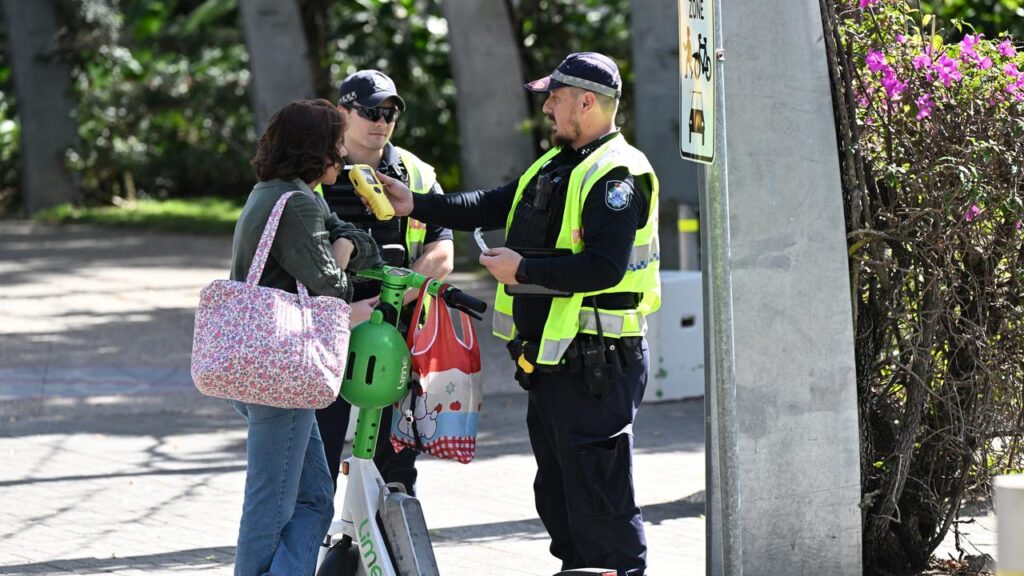
They look like toys, ride like motorbikes and are landing children and adults in hospital around the country, pushing a state to crack down on e-bike and e-scooter riders.
The danger was laid bare last week when a 13-year-old boy thrown from an e-scooter at Childers, a town north of Brisbane, suffered devastating head injuries and died in hospital three days later, with police still investigating the crash.
From Monday, Queensland has become the first state to make e-bike and e-scooter riders hold at least a learner driver’s licence, with new rules kicking in on top of age limits and a statewide police blitz seizing hundreds of non-compliant devices.
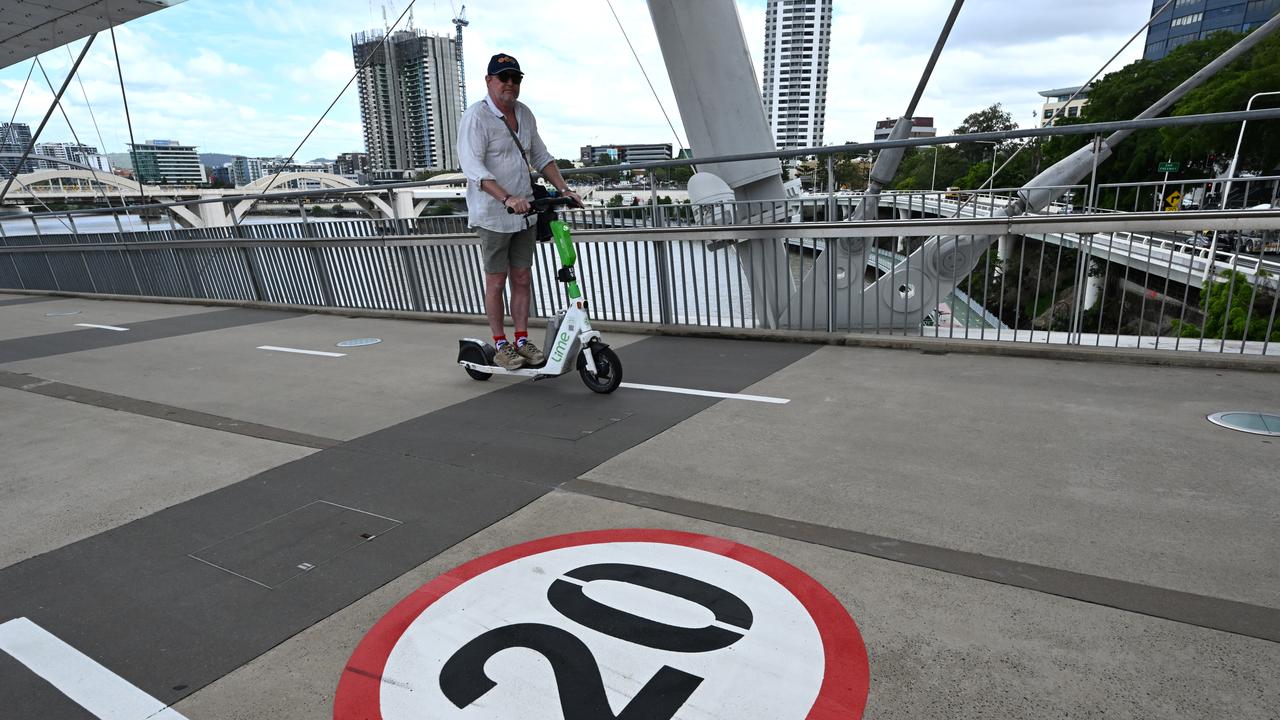
Riders must now have a valid learner’s licence to use electric-powered cycles and e-scooters on Queensland roads and paths, with limited exemptions for supervised 12 to 17-year-olds, medically exempt riders and people in designated off-road recreation areas.
“We always said we would make the tough decisions to keep the community safe; our laws get the balance right between cracking down on those who do the wrong thing, while backing those Queenslanders who do the right thing and delivering sensible exemptions,” Transport Minister Brent Mickelberg said.
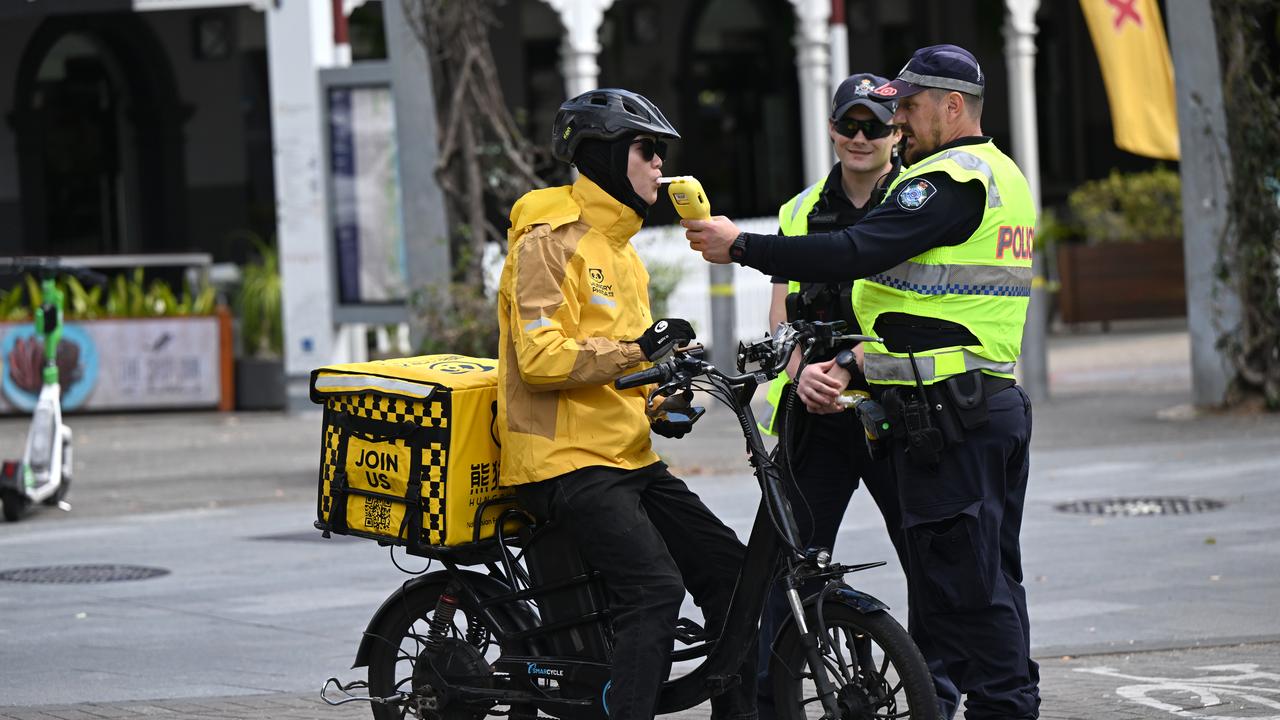
Police have already issued more than 1700 fines and seized almost 400 illegal devices since July 1 under Operation Yankee Surety, and will now start checking licences during street intercepts.
The Queensland move comes as other states scramble to catch up with a fast-moving mix of high-powered e-bikes, souped-up scooters and cheap imports that can be modified to travel far faster than the 25km/h legal limit.
NSW, Victoria and WA have all launched parliamentary inquiries into e-rideables and e-bikes in the past two years, examining crashes, speed limits, helmet rules, battery fires and the status of devices that are effectively unregistered motorbikes.
Public transport operators in NSW and Victoria have imposed bans or tight restrictions on e-bikes and other battery-powered devices on networks, citing the risk of lithium-ion battery fires on trains and stations.
Police in those states have run targeted crackdowns on high-speed, illegally modified e-bikes, while a Victorian coroner’s report into the death of an e-bike rider in 2024 has added pressure for clearer national standards and stronger enforcement.
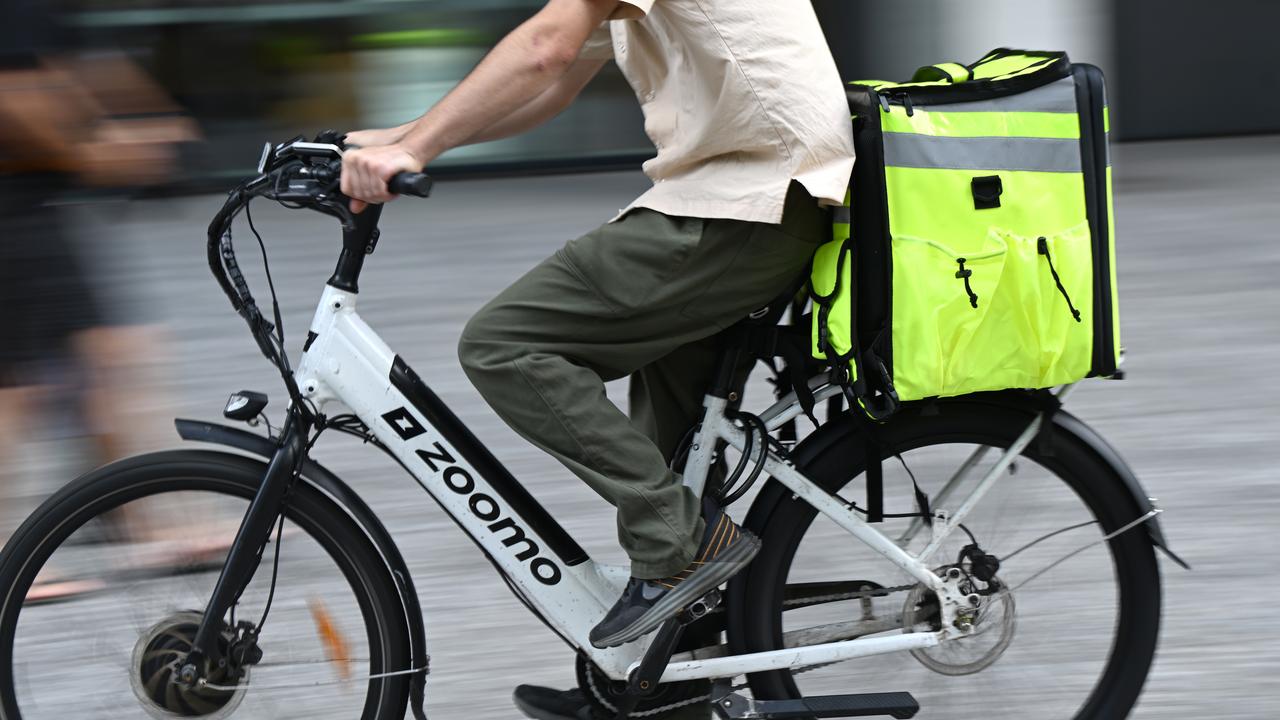
In May, the federal government tasked the Australian Competition and Consumer Commission with developing nationally consistent safety standards for all e-micromobility devices including e-bikes, e-scooters and e-skateboards for personal transport.
The proposed standards aim to prevent high-powered and potentially dangerous devices from being sold in Australia, following growing concerns over illegally modified e-bikes and rising injury rates.
Cycling and road-safety groups say that without a consistent national approach – covering how e-bikes are built, imported and sold – states will be left patching over the same problem with different rules, while riders, parents and police struggle to keep pace.
AAP