Progress and poor marks: Reef earns a mixed report card
Jennifer Dudley-Nicholson |
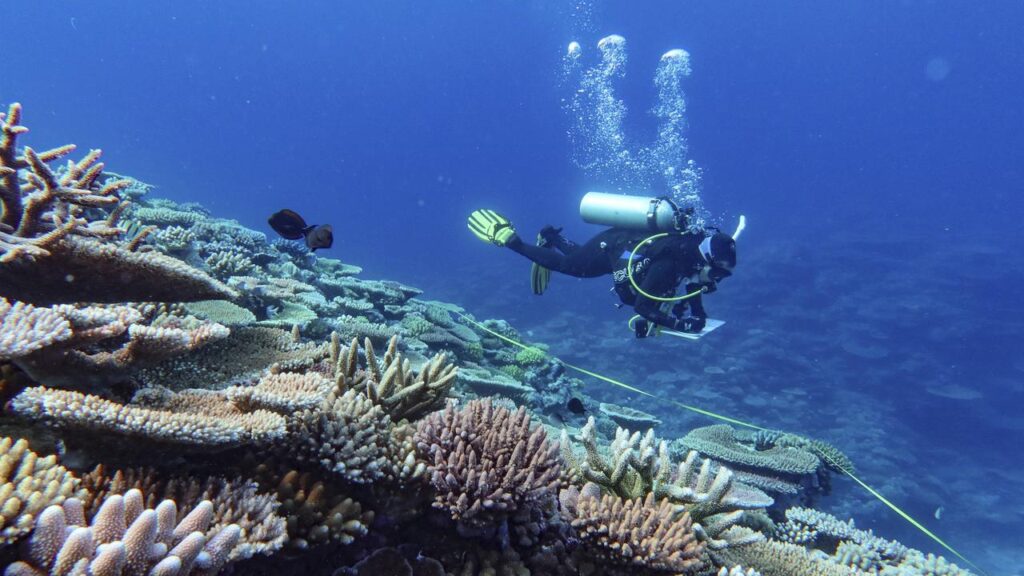
A report card for Australia’s Great Barrier Reef has delivered mixed results, with ticks for cutting pollution to the natural wonder but poor marks for marine water quality, seagrass and wetland areas.
The Queensland and federal governments issued the Reef Water Quality Report Card on Thursday, detailing the results of projects designed to clean up reef catchments over three years.
Environmental groups welcomed some progress but warned governments did not have long to meet renewed targets or to convince UNESCO’s World Heritage Committee the ecosystem was not in danger.
The Great Barrier Reef’s latest report card, covering 2023 to 2025, tracked progress to improve water quality, the condition of the reef, and the management of its catchment areas.
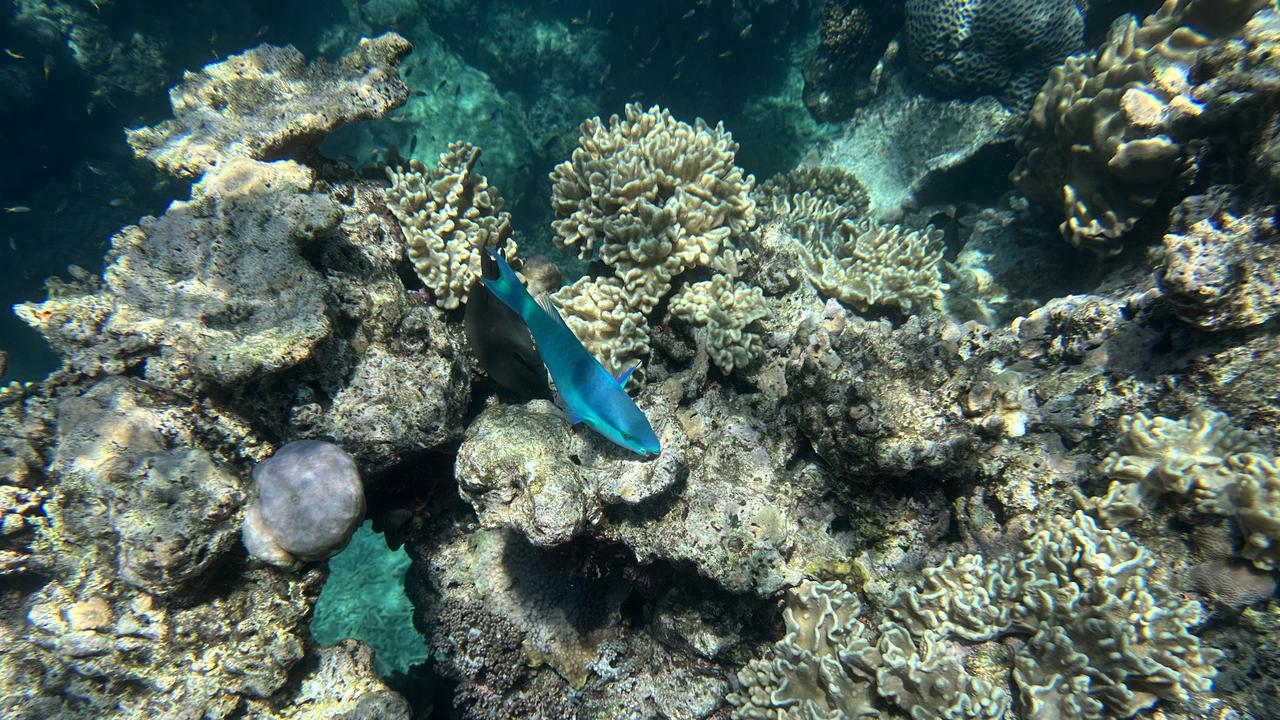
The Great Barrier Reef’s latest report card, covering 2023 to 2025, tracked progress to improve water quality, the condition of the reef, and the management of its catchment areas.
Projects to improve waterways that flow into the reef include targeted restoration efforts and work with grain, sugarcane, banana and cattle farms.
The report found projects had cut pollution and improved water quality across several measures, including sediment and nitrogen, and met its target to reduce particulate phosphorus that can feed algae.
Pesticide risk increased slightly during the period from its 2021 result, with the report noting some areas would require significant improvements to protect 99 per cent of aquatic species as targeted.
Coral cover on the reef remained stable overall, with recovery in the Mackay and Whitsunday areas and from flood and storm damage in northern regions, but the condition of seagrass and marine water quality on the reef fell, with both rated as poor.
Environment Minister Murray Watt said the report showed projects had made progress to cut pollution, and the federal and Queensland governments had committed more than $2 billion to 2030 to improve its environment.
”The Great Barrier Reef is one of our greatest natural assets and it’s important that we continue to manage the quality of water flowing into it,” he said.
”But we know there is more to be done and we will keep working with industry, Traditional Owners, scientists and local communities to safeguard the Great Barrier Reef and those who depend on it for generations to come.”

While cuts to water pollution were welcome, Australian Marine Conservation Society campaign manager Dr Lissa Schindler said some measures fell well short of targets and required more effort.
”The Great Barrier Reef still has a water pollution problem that needs urgent attention,” she said.
”Sediment, fertilisers and pesticides are running into reef waterways and impacting coral and seagrasses and the fish, dugongs, turtles and other marine life that depend on them.”
Australia had until the end of 2028 to report on water pollution to the UNESCO World Heritage Committee to avoid an ”in danger” listing for the reef, Dr Schindler said.
AAP