Bird flu cases span across four states as tally climbs
Robyn Wuth |
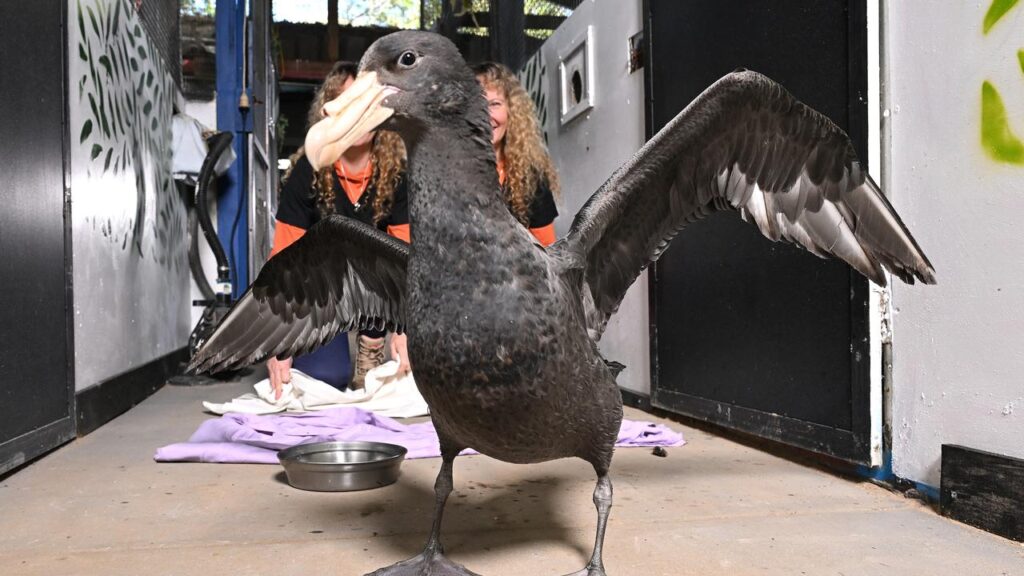
Poultry farmers are bunkering down amid fears a deadly bird flu strain has reached a fourth state.
Queensland is on high alert after a dead migratory seabird that washed ashore north of Brisbane returned an initial positive result for highly pathogenic H5 avian influenza.
There are already 17 confirmed detections of the H5 strain in wild seabirds across Western Australia, South Australia and NSW.
The potential case in Queensland has triggered warnings the virus could have catastrophic consequences for native wildlife and push vulnerable species closer to extinction.
Poultry farmers are battening down the hatches as the virus spreads.

Federal Agriculture Minister Julie Collins said the commonwealth was chiming in with the poultry industry in a bid to keep the “very virulent” and “highly contagious” strain at bay.
“We’ve been working with the industry in terms of their resilience, their redundancy, investing in their biosecurity systems and being as strong as they can be, particularly about how this may get into the system,” she told reporters in Adelaide on Friday.
“We’ve had two outbreaks of the H7 bird flu virus in Australia in the last five years or so, and we’ve been able to successfully eradicate those by working with industry and governments, state and federal.”
Queensland’s Primary Industries Minister Tony Perrett said it was still safe to eat chicken and eggs as news of the potential bird flu case hit the state.
“I would encourage Queenslanders to purchase these products as they normally would,” he told reporters on Friday.
There was no evidence of any infections in the poultry or agriculture system and the risk to human health remained low, Ms Collins said.
There was also no evidence of any mass mortalities in Australia from the H5 bird flu or spread to other animal populations.
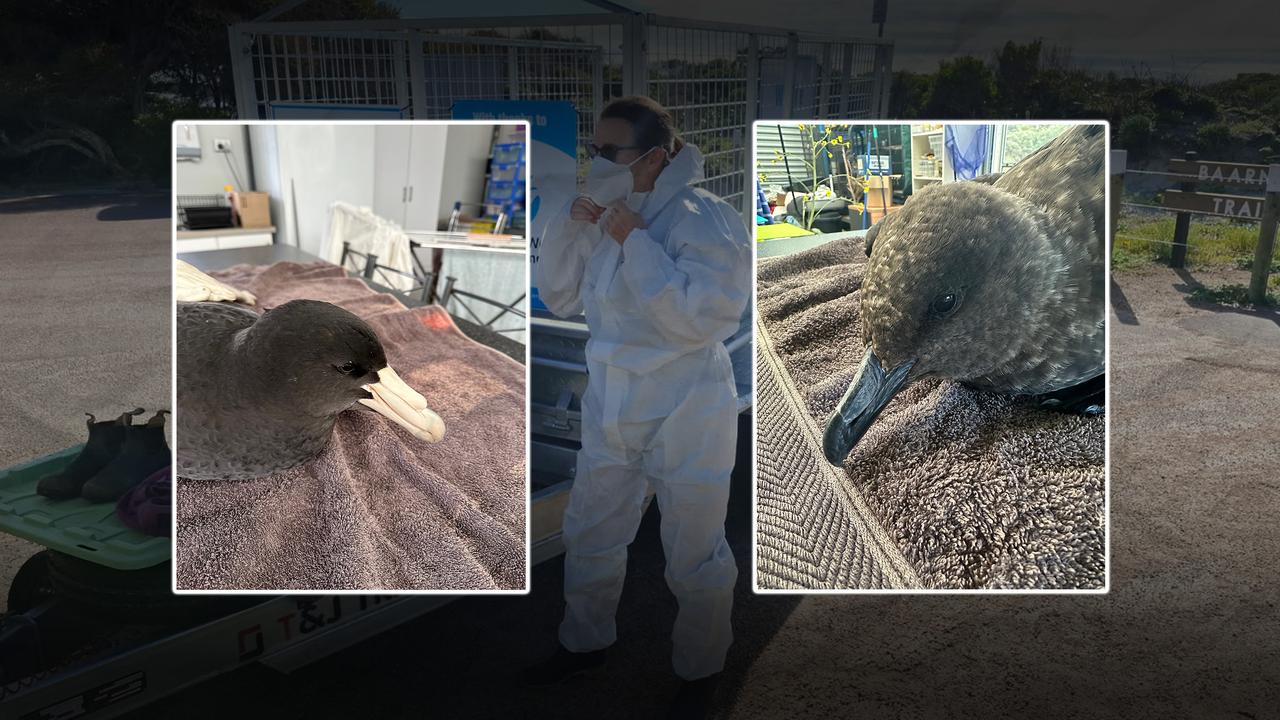
However Invasive Species Council policy director Dr Carol Booth told AAP the bird flu spread should alarm anyone who cared about native animals.
Australia’s wildlife was already under intense pressure and H5 bird flu could “tip quite a lot of them much closer to extinction”, she said.
The most recent suspected case was a dead petrel that washed ashore on Moreton Island.
Samples have been sent to CSIRO’s Australian Centre for Disease Preparedness for confirmation but authorities expect it will be the country’s 18th positive case.
Australia reported its first bird flu case in wild seabirds on June 20.
To date there have been 10 cases in WA, five in SA and two in NSW.
Queensland Chief Veterinary Officer Allison Crook said the state’s suspected positive result was anticipated and they were well prepared.
“We have known that a H5 bird flu detection in Queensland was a matter of when, not if,” she said.
“We are continuing our enhanced passive surveillance program throughout the state and would encourage the community and industry to continue to be vigilant.”
Dr Booth warned Australia may only be seeing a fraction of infections, with sick seabirds turning up – or going unnoticed – on remote coastal stretches.
“It’s like finding a needle in a haystack,” she said.
People have been urged to remain vigilant, report sick or dead wild birds to authorities and avoid handling them.
AAP