Drug could turn MND from terminal to chronic illness
Melissa Meehan |
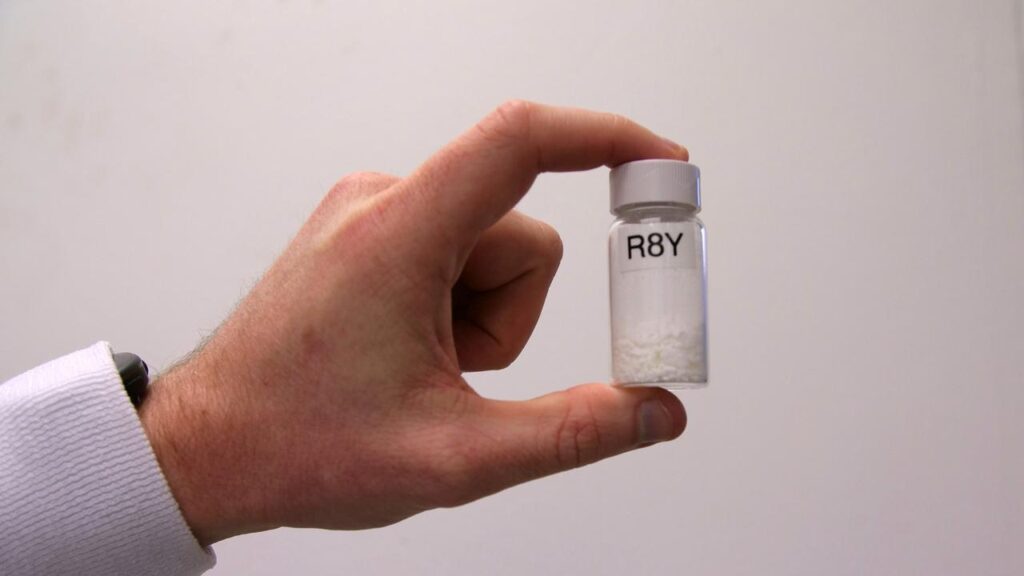
Researchers have unlocked a breakthrough that could transform motor neurone disease from an acute terminal illness into a manageable chronic condition.
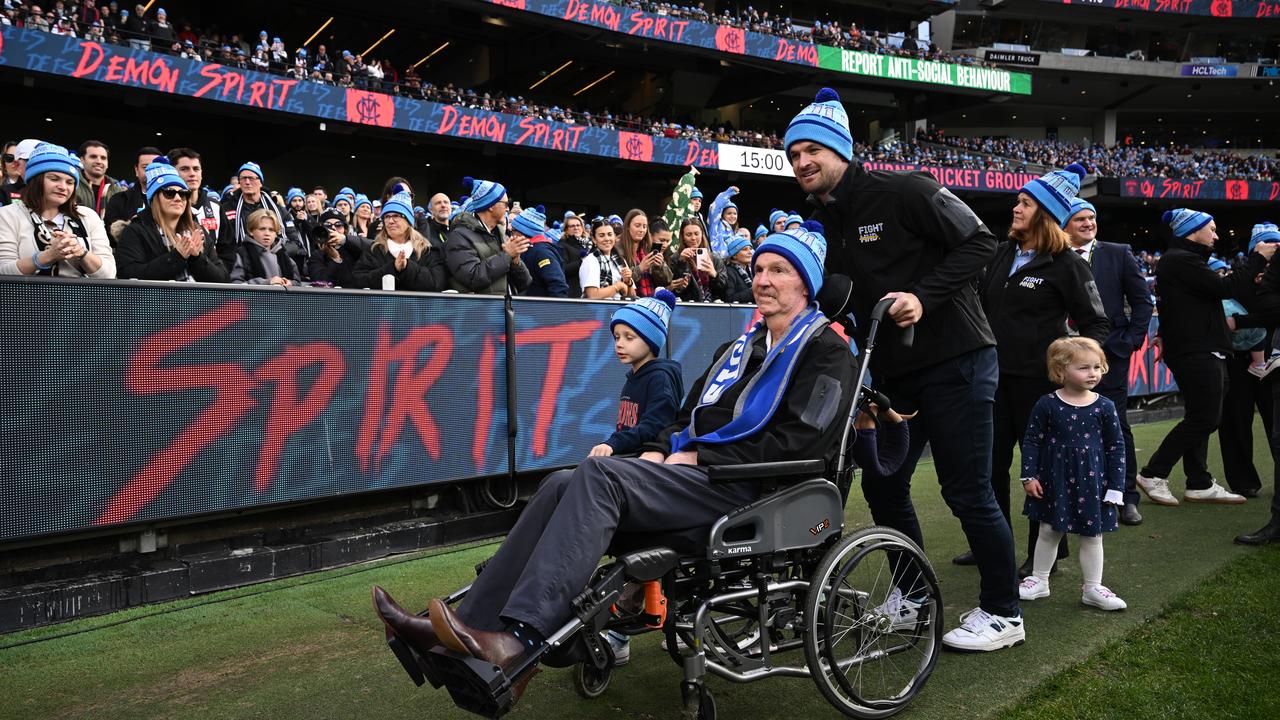
Awareness of the crippling disease has grown in Australia due to AFL legend Neale Daniher’s trailblazing FightMND foundation and the tragic recent diagnosis of 30-year-old NRL star Jai Arrow.
Their devastating battles have united the public and sporting codes, driving unprecedented awareness and research funding to fight the disease.
Now, a new drug known as R8Y is on track for testing in patients within five years.
Professor Trent Woodruff, from University of Queensland’s School of Biomedical Sciences research team which is responsible for the drug, said the drug opens new possibilities for anti-inflammatory therapies.
It also marks one of the most significant legacies of the late AFL legend, with essential funding coming from his charity FightMND.
”With this knowledge, it’s possible we could have an anti-inflammatory drug treatment for testing in MND patients within five years, possibly turning the disease into a long-term chronic condition rather than an acute terminal illness,” Professor Woodruff said.
The R8Y drug specifically binds to a human receptor called C5aR2, he said.
”Using the drug we created, our international partners created a model of the drug bound to the receptor, giving us vital information around how the drug binds to the receptor and how the receptor signals.”
The UQ team is now working to develop even better anti-inflammatory drugs for hard-to-treat neurodegenerative diseases like MND, Parkinson’s and Alzheimer’s.
Associate professor Richard Clark said the achievement was only possible through the combined expertise at UQ and its international partners.
”This global effort demonstrates the power of cross-disciplinary and cross-border collaboration in tackling complex biomedical challenges,” Dr Clark said.

”We can develop safer, more effective drugs with fewer side effects.”
Not-for-profit foundation FightMND and a National Health and Medical Research Council grant provided funding towards the research.
The project was conducted in collaboration with the Indian Institute of Technology, Sungkyunkwan University in South Korea, Pompeu Fabra University in Spain, and University of Tokyo, Tohoku University and Kyoto University, all in Japan.
AAP