‘China will push back’ after Solomons security deal
Andrew Brown |
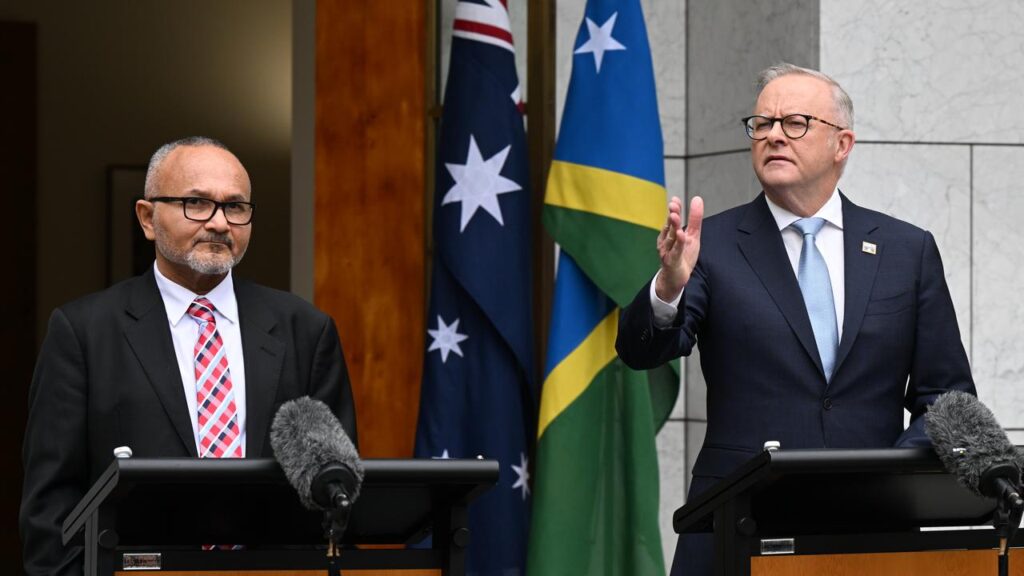
Australia can expect blowback by China following its historic security deal signing with the Solomon Islands, but the broader relationship is not likely to be affected.
Prime Minister Anthony Albanese inked the agreement with his Solomon Islands counterpart on Wednesday, which made Australia the preferred security partner of the Pacific nation.
The $740 million deal – which will provide support for education initiatives and increased policing – will also stop foreign countries from setting up military bases and critical infrastructure in the Solomons.
The deal will curb the influence of China in the Pacific, with the Solomon Islands letting a previous defence agreement it signed with China in 2022 lapse in favour of ties with Australia.
There would be retaliation from China as a result, said Mike Hughes, the defence strategy program director at the Australian Strategic Policy Institute.
“This is a remarkable achievement in the Solomon Islands, but we should absolutely expect that China will push back,” he told AAP.
“We’ve already seen China seeking to redress the change in its strategic circumstances in the region and we should expect that it will continue to do so.
“What that looks like is anyone’s guess.”
The deal with the Solomon Islands, negotiated in just a few months, is the latest agreement Australia has signed with Pacific neighbours, following formal treaties with Fiji and Papua New Guinea, and a defence agreement with Vanuatu.
Mr Hughes said with Australia and China being in a permanent state of contest for influence in the Pacific, China was unlikely to stay out the region.
“China has proven adept at adjusting, so every time it has a setback it does think about it, it does analyse what’s happened, and then it reapproaches with gusto,” he said.
“We’re going to see some efforts by China to try and redress this situation.”
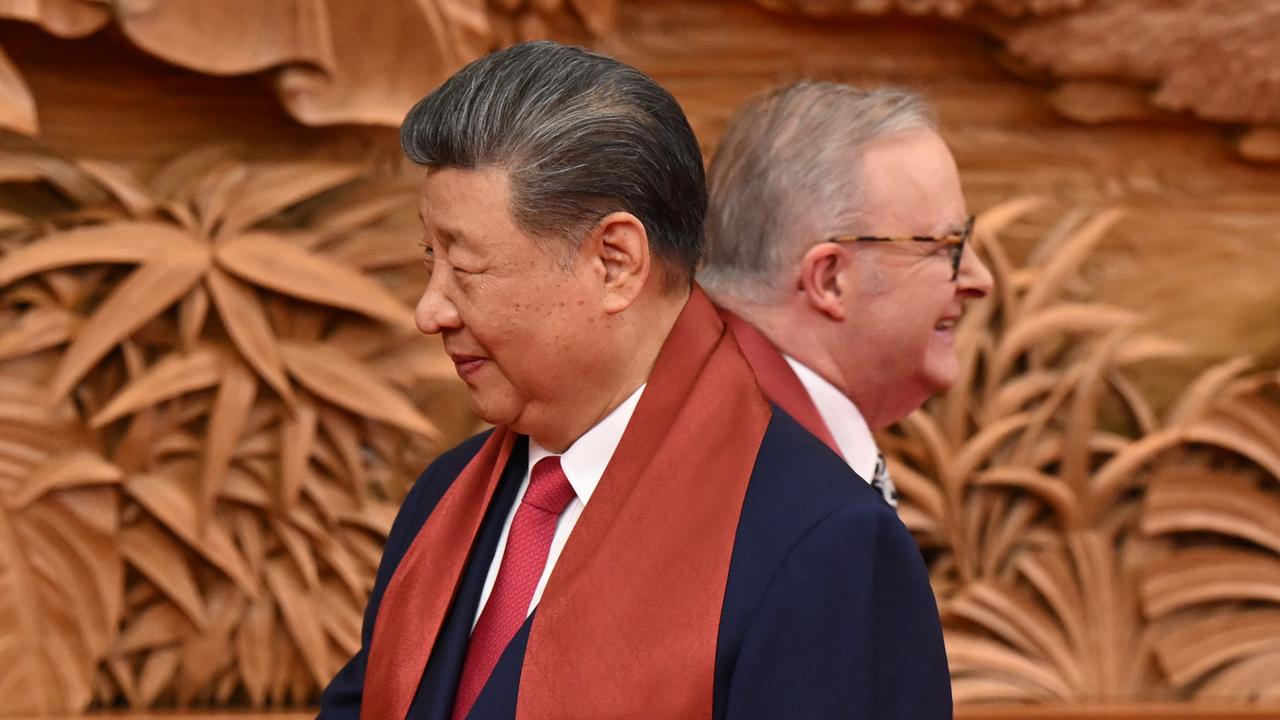
But while there would be some fallout in Beijing over the Solomons deal, head of the Australian National University’s National Security College Rory Medcalf said ties with China would not go backwards.
“What I don’t think we’ll see is some sort of angry or cantankerous Chinese pushback about this,” he told AAP.
“Chinese leadership will recognise that this was an achievement of Australian statecraft, and that, for the moment, China has been put at a disadvantage in its quest for influence in the Pacific.”
Canberra and Beijing had likely reached an understanding about its aims in the Pacific, said Edward Chan, a China studies postdoctoral fellow at the Australian National University.
“Since the stabilisation of ties in 2022, both states appear to have a clearer understanding of where they can co-operate and where they disagree with each other,” Dr Chan said.
“Both sides appear inclined to shelve their differences over the Pacific to prevent them from affecting the overall relationship.”
AAP