Upper-house vote change could hand One Nation power
Duncan Murray |
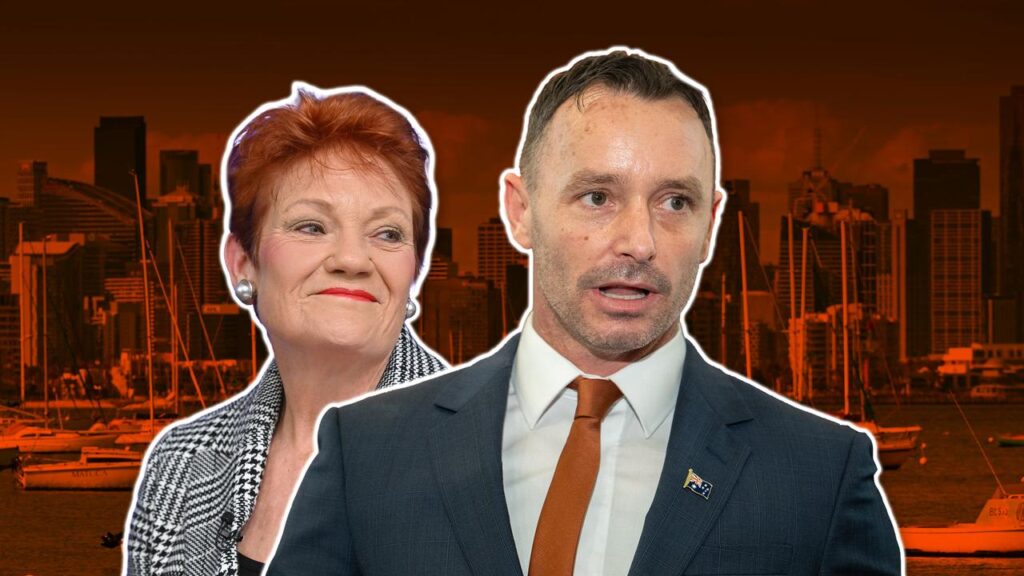
Regardless whether One Nation’s fading hopes of lower-house supremacy come to fruition, the party could still hold major sway over how a new government passes legislation.
As support for the Coalition under Liberal leader Jess Wilson firms at the cost of One Nations’ primary vote, the upper house could be where the party is able to throw its weight around in the new parliament.
One Nation deputy leader and upper house candidate Colleen Harkin identified excessive government spending, emission reductions and First Nations recognition as areas the party could dig its heels on.
“People are going to be relying on One Nation to do the difficult things that are going to need to be done in order to restore Victoria to a safe and a prosperous place,” she told AAP.
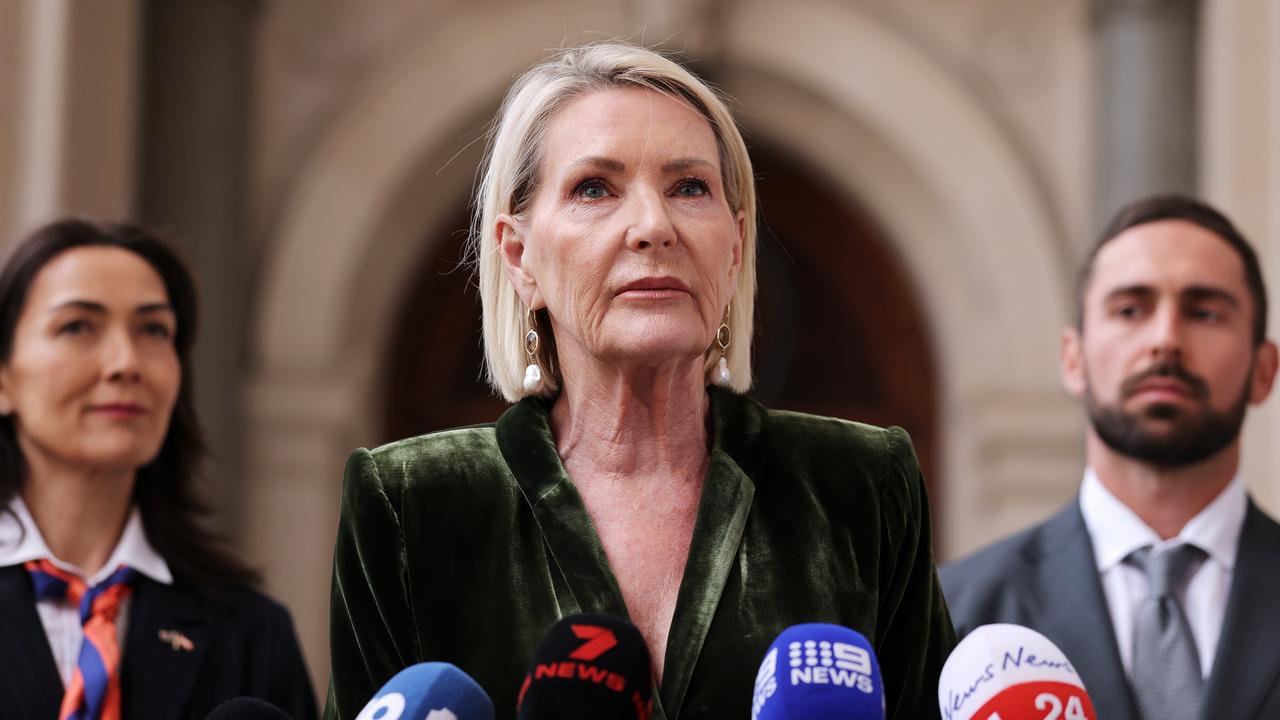
Ms Harkin made clear One Nation was not interested in getting into bed with the coalition, saying One Nation had its own agenda it would pursue.
“We’re not the Liberal Party’s patsy,” she said.
“We’re nobody’s patsy.”
Voting for the upper house will look vastly different this election, following reforms that prioritise primary votes and strike a death blow to minor parties.
The changes introduced in August mean voters can no longer vote for just one party above the line, and must number either at least five parties above the line or five candidates below the line.
Previously parties provided a group ticket with their preferences, which was scrapped for enabling “preference harvesting” that allowed candidates to win their seats with a minuscule portion of the primary vote.
The system is widely expected to benefit the major parties and could help One Nation pick up at least one seat in each of the eight upper-house electorates that span Victoria.
Floating around the 20 per cent mark of the primary vote was not a recipe for One Nation to win many seats in the lower house, Monash University political commentator Zareh Ghazarian said.
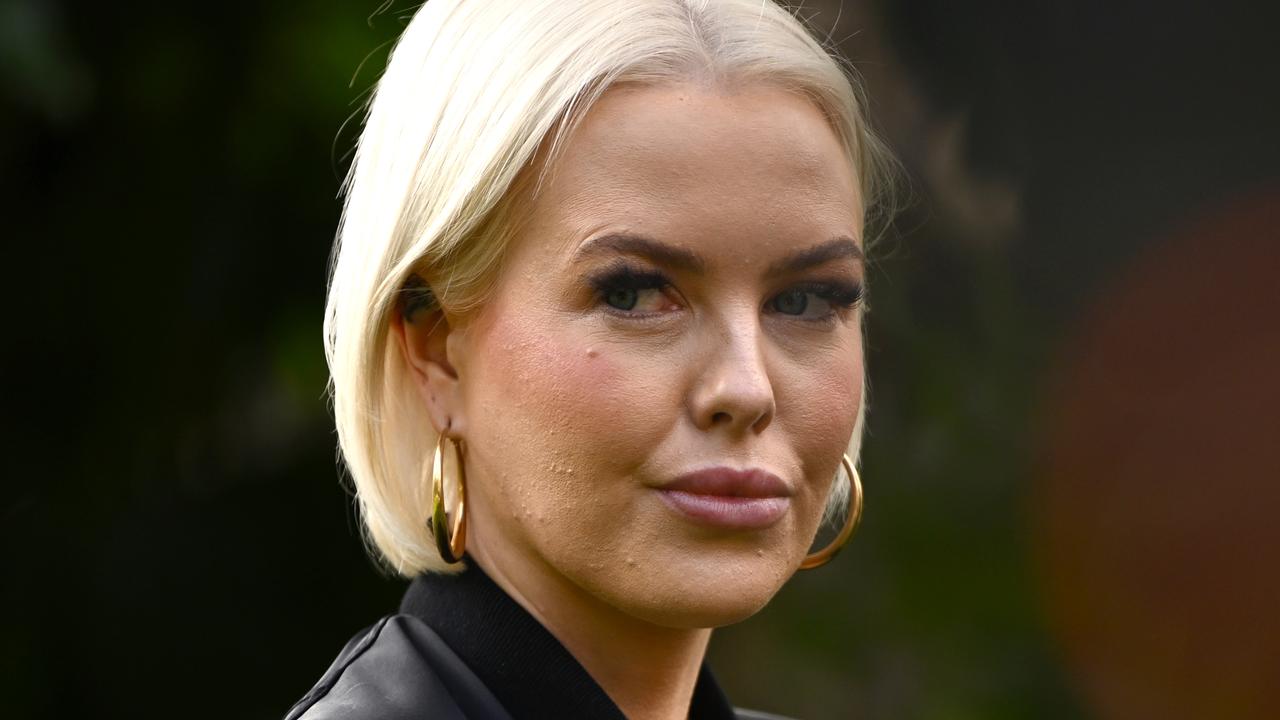
“I think One Nation is destined to have a fairly disappointing or sombre election night,” he told AAP.
However, 20 per cent support would be enough to see the party picking up six or eight out of 40 upper house seats – if not more – which would mean significant voting power.
The shift will come at the cost of candidates such as Georgie Purcell from the Animal Justice Party, who was elected in 2022 with just 1.5 per cent of the primary vote.
Ms Purcell and other minor party candidates now face a slim chance of being elected, with their seats likely to fall to One Nation or another major party with more primary support.
“Because this benefits the major parties, and One Nation is polling so high, they will ultimately be the benefactors of this,” she told AAP.
“It will be potentially diabolical for any leader and any government because there’s no room to negotiate if they operate as a block.”
Ms Purcell she did not support the old system of allowing handshake deals to determine preferences either, but said the Labor government prior to making the change had failed to consider a third proportional model.
“It really will make the cross bench extinct in Victoria, and I don’t think Victorians realise how bad that is,” she said.
AAP