Indigenous ranger funding key to climate change fight
Sarah Spina-Matthews |
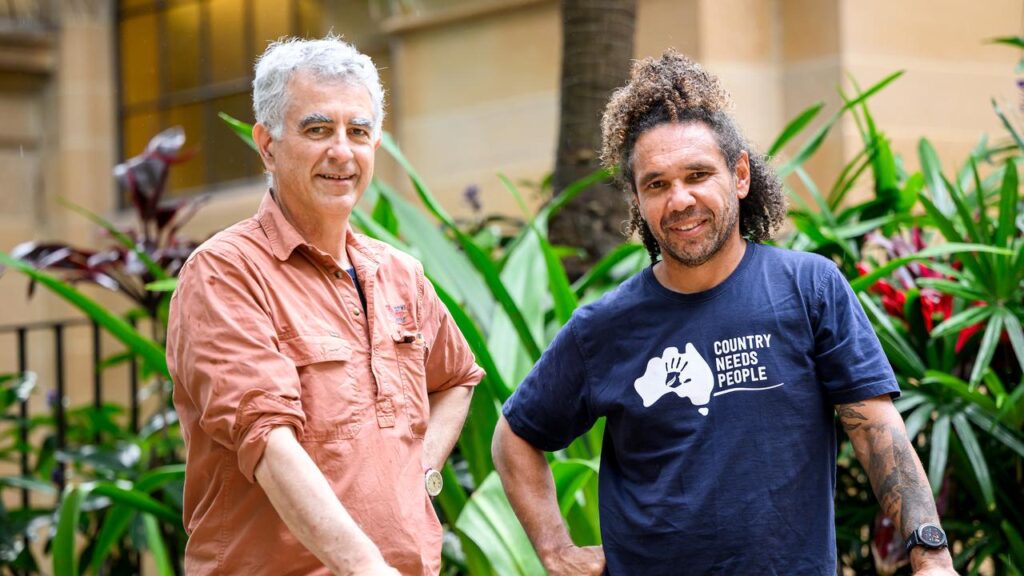
Properly funding Indigenous ranger groups is being touted as a key to tackling the growing threat of climate change.
Unlike in Queensland and WA, NSW doesn’t have a centrally operated and funded Indigenous rangers program.
Indigenous land and sea management organisation Country Needs People says that makes it harder for individual community ranger groups across the state to undertake important work.
This includes everything from fire, weed and invasive species management, to threatened species protection and natural disaster recovery.
The NSW government is developing an Aboriginal Ranger Strategy but Country Needs People wants parties across the political spectrum to commit to the long-term funding required to back up the strategy, ahead of the state election in March.
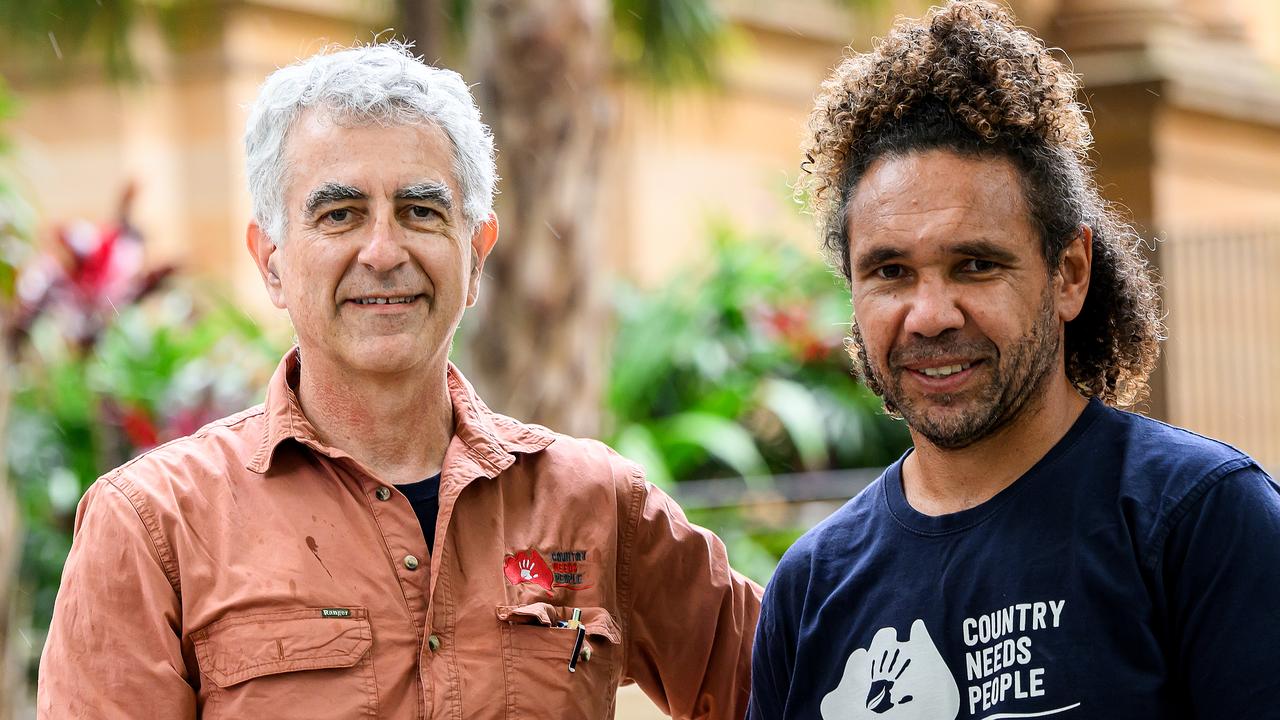
“By all means, produce a strategy, but let’s not have it just another document sitting on the shelf,” chief executive Paddy O’Leary told AAP on Monday.
“Let’s have it funded, staffed and a real live collaboration around looking after country better.”
Nathan Brennan – the organisation’s senior partner support and a Gumbaynggirr, Bundjalung and Gamilaraay man – said such a commitment was urgently needed.
Catastrophic flooding in his home region of the Northern Rivers in recent years demonstrated the looming threat of climate change.
“It’s about building the resilience in the community,” Mr Brennan told AAP.
“Rangers have the opportunity to go out and work with their communities and educate their own communities on the changing climate.”
The Queensland Government provides around $30 million a year to its statewide ranger network, Mr O’Leary said.
“We’re not expecting a huge Queensland-like program tomorrow,” he said.
“(But) NSW is the biggest economy in the country so let’s put something in place because there’s really nothing focused in place now.”
Environment Minister Penny Sharpe has been contacted for comment.
Unlike traditional ranger groups, Indigenous rangers are governed by Aboriginal communities and combine cultural knowledge with science to do their work.
Mr Brennan said Indigenous ranger groups provided career pathways, as well as social and economic benefits for communities.
“We’ve got elders coming into those programs, doing knowledge sharing with the rangers as well,” he said.
“That allows the rangers to be the vessel of cultural knowledge and actually pass that on to young people in the community.”
AAP