‘Anyone’s kid sick?’: fight for rural childcare places
Will Nicholas |
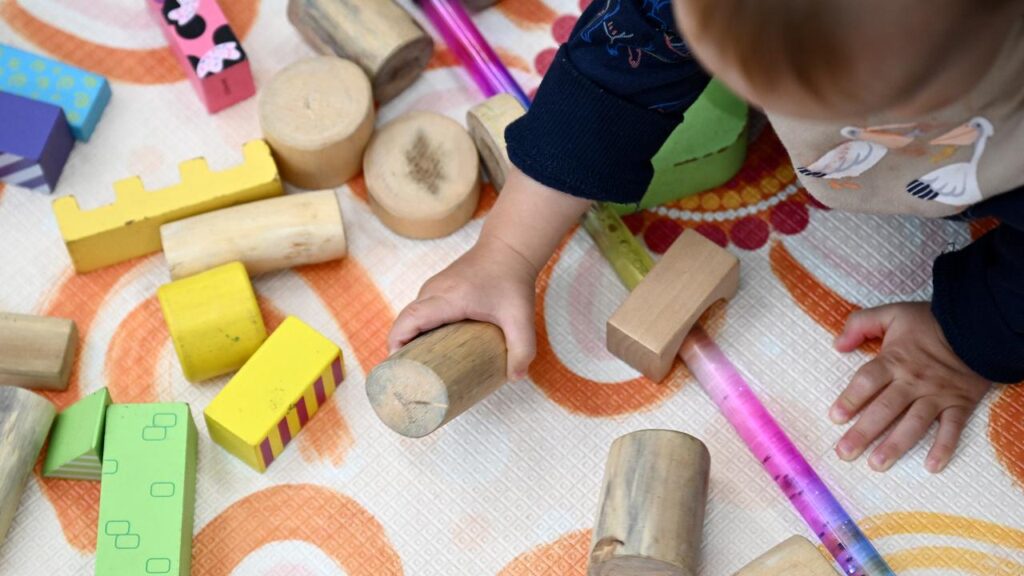
Parents in rural communities are jumping on group chats every morning to see if there’s a childcare place for their kid that day.
“Is anyone’s kid sick today? Is anyone’s child away? Is there a possibility that I can get that spot?” Australian Childcare Alliance Queensland president Majella Fitzsimmons relayed to a panel of senators examining childcare in the bush.
The parents on the group chat were from the Far North Queensland town of Weipa on the Cape York Peninsula, where the early learning workforce was fly-in, fly out, Ms Fitzsimmons said.
“They go from this lot of carers this week to a different lot of carers the next week, so that in itself is complexity for children,” she said during hearings in Canberra on Friday.
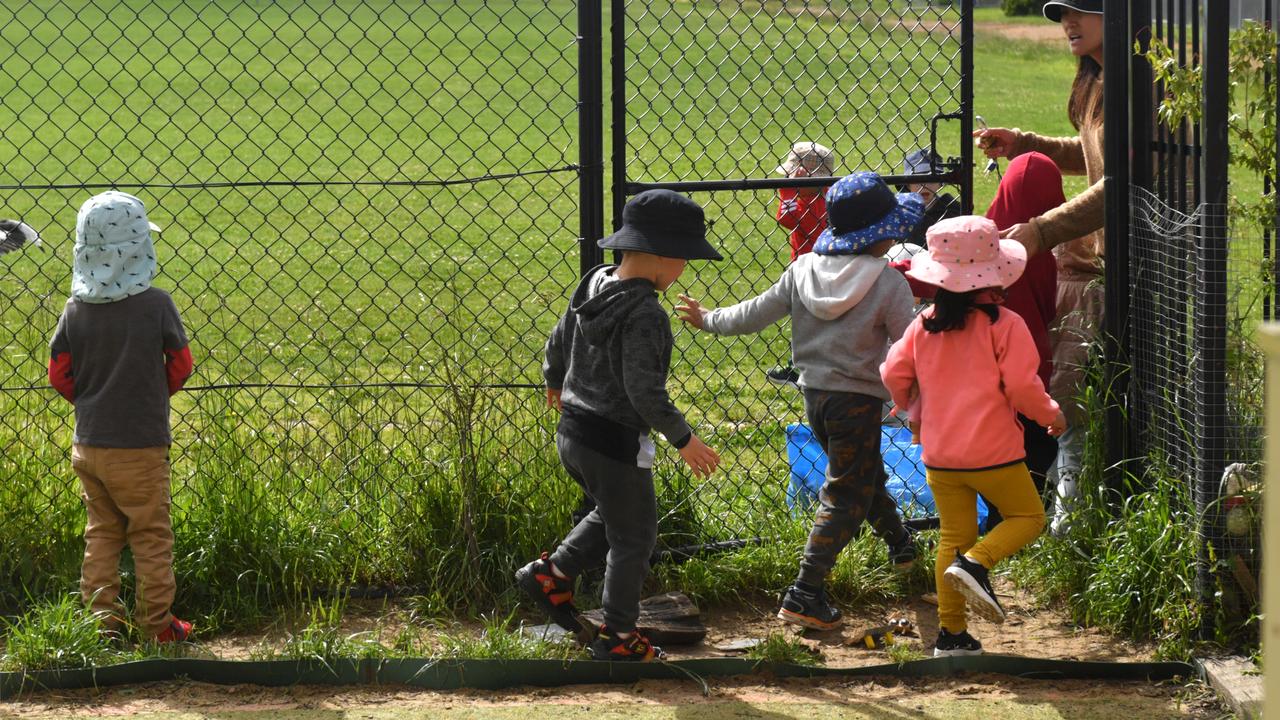
The cost of plane tickets alone was a headache, according to Ms Fitzsimmons, joining a chorus of witnesses who described a childcare system poorly tailored for rural communities’ diverse needs.
Prime Minister Anthony Albanese has previously said he wants universal childcare to be his legacy, and the sector has undergone overhauls since Labor came to power in 2022.
In the past year, revelations of widespread child sexual abuse festering in the system have also sent policy-makers scrambling to fortify safeguards and impose tougher safety obligations on childcare centres.
Many rural communities are still so-called “childcare deserts”, but some larger regional centres had the exact opposite problem, which senators heard underscored the sector’s haphazard data gathering and muddled policy.
“We don’t have a clear snapshot of the sector, and that data – with the appropriate boundaries – needs to be available,” childcare peak body Lady Gowrie Queensland chief executive officer Elizabeth Death said.
“Many years ago, we used to have the capacity for – when a provider wanted to start a service in a particular area – they needed to demonstrate the need … that’s no longer there.”

On average, there are 2.05 children per Australian childcare place – an improvement on 3.6 children per place 10 years ago – meaning every kid should theoretically have sufficient service access.
“Even if every child in Australia attended those services on the averages of about three days a week, almost none of those services would be full,” Australian Childcare Alliance president Paul Mondo said.
“There are deserts – they do exist, and so that probably means that the oversupply number is far worse.”
The alliance had seen 204 services shut down in the year to June 30, up from 149 the year before, and 72 more had closed in July and August of this year because the bloat had rendered them unviable.
Many of the sector advocates at the hearings agreed a national early learning commission could help sew up the discordant system, as well as balance healthy supply with safe, high-quality childcare.
Labor is still mulling the proposal for a federal commission after revelations about paedophiles and child abusers infiltrating the system gave the idea an upswell of support.
AAP