Don’t scare off data centre investment: business lobby
Jacob Shteyman |

Australia faces weaker productivity, investment and artificial intelligence capabilities if data centre developers are scared away by complex and inconsistent regulation, the business lobby warns.
A rising tide of community protest against data centre developments, which power artificial intelligence but are criticised for their high energy and water needs, has sent jitters through investors of companies including Firmus, Airtrunk and NextDC in recent weeks.
Prime Minister Anthony Albanese wants to implement nationwide rules to require new data centres add more renewable energy to the grid than they take out and to minimise water use.

They will also have to lessen community impacts by being appropriate for their size and avoiding sites that could be used for housing instead.
But the Business Council of Australia said developers already engaged effectively with local communities, in a submission to a behind-closed-doors inquiry into AI standards being conducted by the Department of Prime Minister and Cabinet.
“Data centres are becoming as essential to Australia’s economy as roads, ports and the electricity grid,” the submission said.
“They provide the computing infrastructure required for AI adoption across the economy.
“Without a clear and nationally consistent regulatory environment, investment in data centres and AI capability will increasingly flow to other jurisdictions, reducing Australia’s ability to capture productivity gains, attract investment and build sovereign capability in the technologies that will shape future economic growth.”
But the threat developers faced from the growing backlash to data centres, and the enabling infrastructure they rely on, was brought into stark relief on Wednesday for operator NextDC.
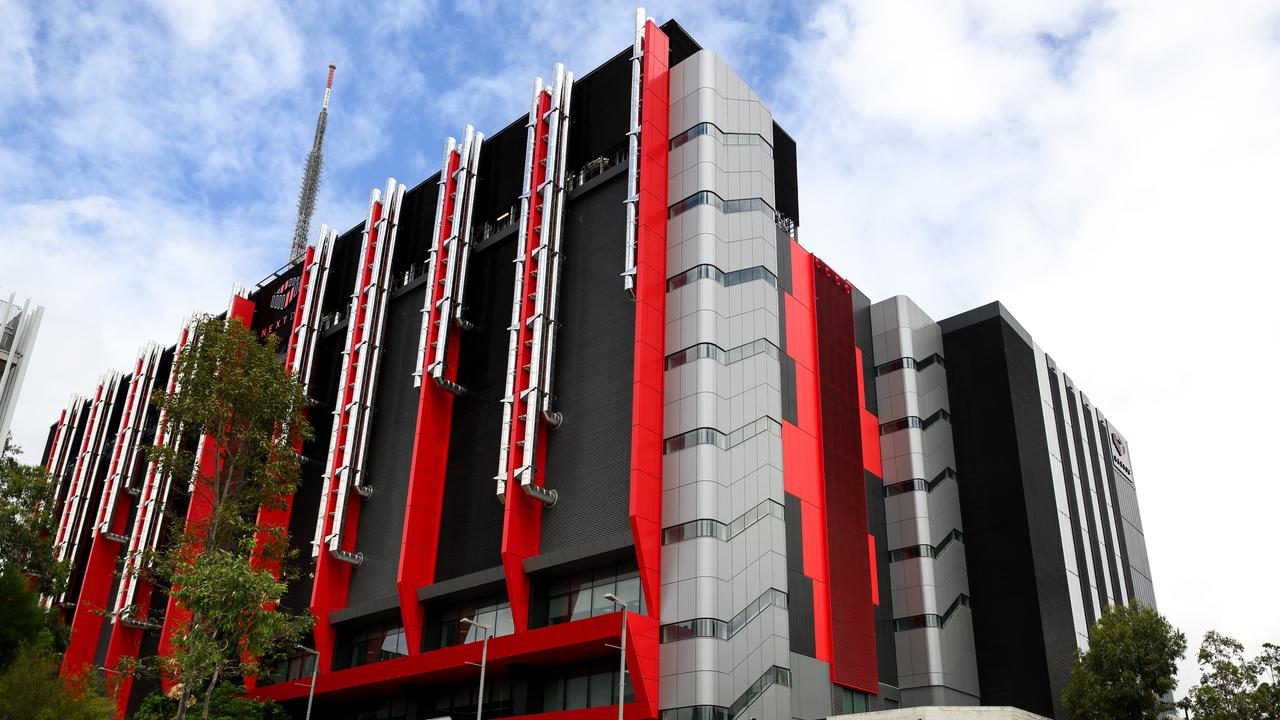
Shares in the Brisbane-based company slumped more than 40 per cent after energy network operator Jemena paused work on power lines for NextCD’s flagship M3 data centre in Melbourne’s outskirts because of community opposition.
The Business Council said existing state and council planning processes should continue to assess data centres, instead of adding separate Commonwealth processes.
A single front-door process could coordinate assessments and reduce duplication across existing approvals, the Business Council said.
“Developers already engage communities, First Nations peoples, councils and nearby businesses early enough to inform planning, then continue that engagement through construction and operation,” the submission said.
“They provide clear information on local benefits and impacts, including energy, water, land use, traffic, noise, backup generation and enabling infrastructure.”
Independent Senator David Pocock argued the benefits being offered to communities from hosting data centres weren’t enough.

He proposed a five per cent levy on data centres, which the independent Parliamentary Budget Office estimated would raise $500 million by 2030.
Greens leader David Shoebridge has attempted to tap into the discontent over data centres, claiming the sector would drive up unemployment, inflation and interest rates.
“Instead of building a strong country that invests in itself and creates its own future, Labor has invited vampire US tech bros to our shores in hopes of a quick buck,” he said.
AAP