RBA blushes spared: inflation rise vindicates rate hike
Jacob Shteyman |
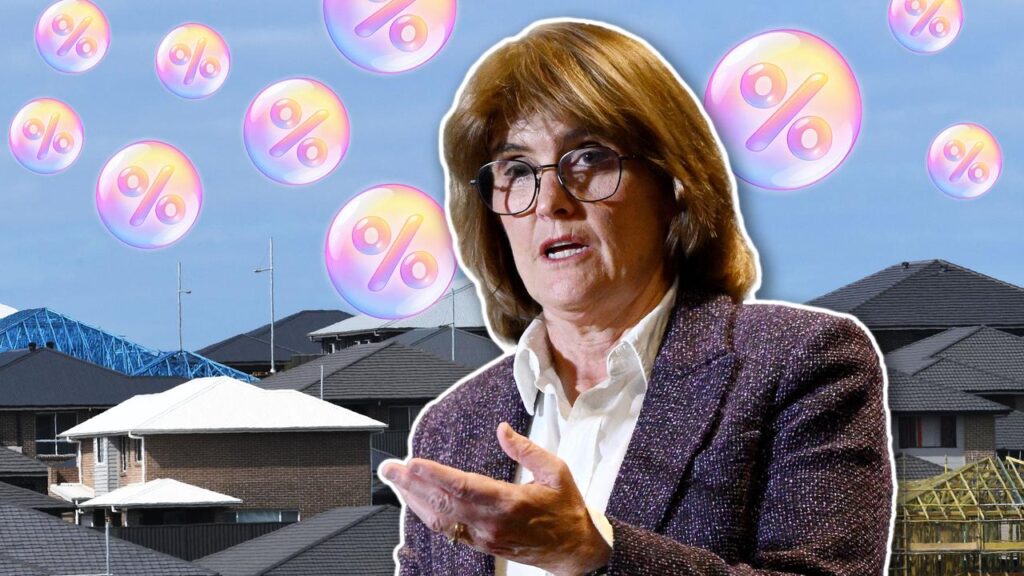
A jump in headline inflation to four per cent will do little to dispel the Reserve Bank of Australia’s concerns inflation remains too high.
Higher fuel prices as a result of the Middle East conflict contributed to the rise in the annual consumer price index in August, from 3.5 per cent the month prior, the Australian Bureau of Statistics reported on Wednesday.
But the annual trimmed mean – a measure of underlying inflation preferred by the central bank – came in at 3.6 per cent for a third straight month, reinforcing RBA governor Michele Bullock’s concerns inflation pressures were not easing.
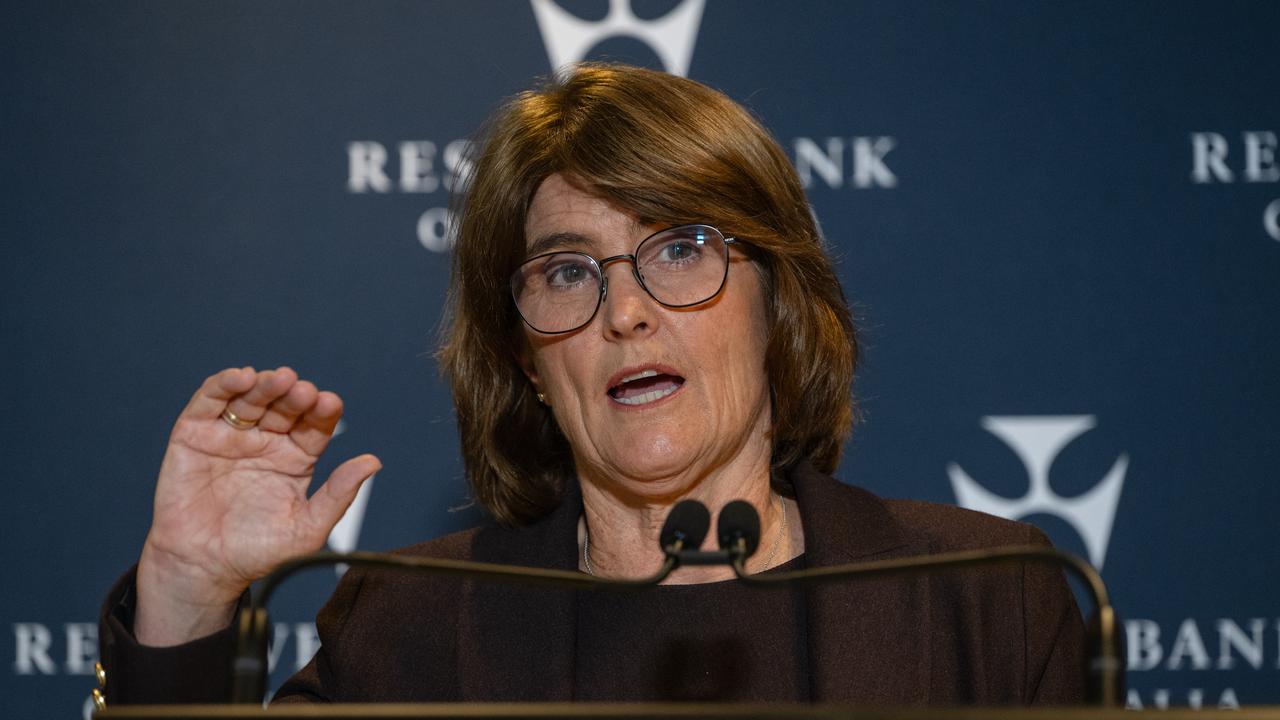
Speaking after the central bank hiked interest rates to a 15-year high of 4.6 per cent on Tuesday, Ms Bullock said such a result would confirm a consistent pattern of stubborn inflation during the past six months.
In the end, Wednesday’s result was slightly softer than economists had been expecting, but it did not leave the RBA with any red faces over its decision to hike a day earlier, KPMG chief economist Brendan Rynne said.
“Essentially today’s data validates the RBA’s decision yesterday to raise rates as it shows inflation is still far from under control, leaving the RBA with no choice but to act,” Dr Rynne said.
Despite the annual trimmed mean coming in line with consensus forecasts, the monthly increase of 0.2 per cent was below expectations for a rise of 0.3 per cent.
More important was that the crucial quarterly trimmed mean, which will be released shortly before the RBA’s next meeting on Melbourne Cup day, is still on track to print at around one per cent.
“The question is, does a one per cent trimmed mean trigger a hike in November?” Citi’s Josh Williamson and Faraz Syed said.
“We continue to expect RBA to hike again by 25 basis points in November. The bank cannot forecast inflation returning back to the target in the next six months, and therefore needs to tighten policy further to curb inflation expectations.”
A 14.8 per cent spike in fuel prices in August, as the government’s temporary excise cut wore off, drove the jump in the headline figure but was excluded from the trimmed mean, which elides volatile items to show a clearer picture of the underlying drivers of inflation.
However, a 0.4 per cent increase in market services inflation, such as hairdressing, insurance and restaurant meals, suggested price growth might be a bit stickier than expected, Commonwealth Bank senior economist Trent Saunders said.
“Overall, the market services detail was mixed in August but continues to point to an aggregate inflation rate that will make it difficult for the RBA to hit its target in a timely manner,” he said.
Scrutiny has ratcheted up on the drivers of the inflation outbreak.
Treasurer Jim Chalmers said while Australia already had an inflation challenge, it has been made worse by the re-escalation in the Middle East conflict.

Ms Bullock said the Middle East conflict and the AI investment boom were contributing to inflation, but it had been primarily driven by domestic capacity pressures.
Ms Bullock’s predecessor as governor, Philip Lowe, said excessive government spending was making inflation worse.
Dr Lowe, who left the central bank in 2023 after Treasurer Jim Chalmers chose not to renew his tenure as governor, said the government should be banking high tax receipts given the phase of the economic cycle.
“Now we find ourselves running sizeable budget deficits at a time where we’re at full employment and commodity prices are very high,” he told an Institute of Public Affairs podcast, released on Tuesday evening.
The federal budget recorded a $22.3 billion deficit in 2025/26, Dr Chalmers revealed on Monday.
Commonwealth Bank and Westpac followed Macquarie on Wednesday in announcing they would pass the interest rate hike to borrowers in full.
AAP