Productivity pick-up a slow burn as data dips again
Jacob Shteyman and Andrew Brown |
Fixing Australia’s lagging productivity rate will likely take years rather than months, the man in charge of the nation’s finances concedes.
Fresh figures from the Australian Bureau of Statistics showed productivity falling by 0.2 per cent for the year to June, with it being flat for the most recent quarter.
Treasurer Jim Chalmers said productivity was still a major concern, as GDP figures further cemented the odds of the Reserve Bank lifting interest rates again.
“This is a two-decade problem that will take more than 12 months, or even more than a couple of years, to turn around,” he told ABC Radio on Thursday.
“Right around the world, with the possible exception of the US, countries have got a productivity challenge a bit like ours.”
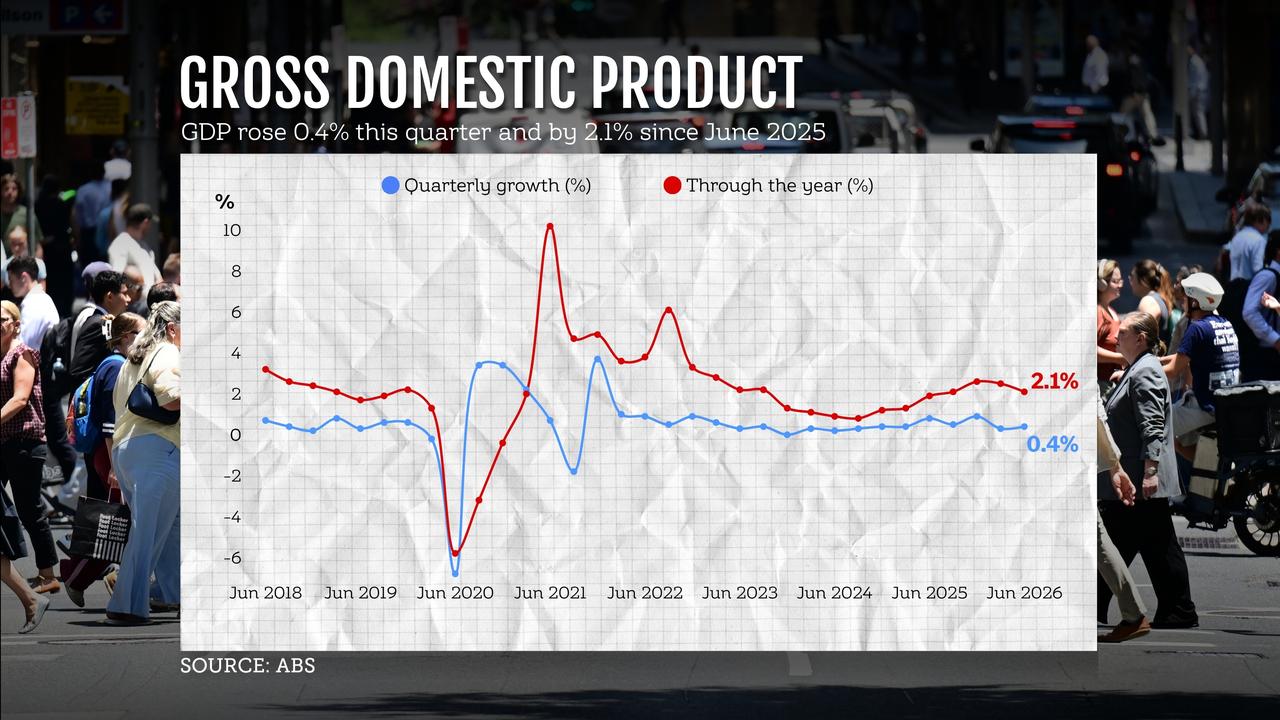
Dr Chalmers said the GDP figures, which showed 2.1 per cent growth for the year to June, had major advantages, but serious challenges remained.
“The private sector recovered much quicker than anticipated last year, and again, in the national accounts yesterday, we saw domestic growth being driven overwhelmingly by private demand,” he said.
The GDP figures came as bond yields climbed to a 15-year high on Wednesday, with 10-year Australian government bonds fetching 5.2 per cent, after economic growth figures came in stronger than forecast.
The aggressive repricing was mainly driven by global bond yields, especially in the US, where government debt levels are increasingly worrying markets, AMP chief economist Shane Oliver said.
But Australian traders were taking note of higher expectations for interest rates, following hotter-than-expected GDP and inflation figures over the past week.
Rates markets were pricing in a 78 per cent chance of another Reserve Bank hike in September, with one rate rise fully priced in by the end of the year.
A follow-up rate hike by mid-2027 was also priced in near 80 per cent.
Higher interest rates and higher bond yields were likely to be felt acutely by Treasury, which faces higher costs to service more than $1 trillion in federal debt, Dr Oliver said.
“There’s a graph in the budget which shows that the fastest-growing big ticket item of government spending is public debt interest,” he told AAP.
“It will put on more pressure to cut government spending, basically.
“It’s almost as if the bond vigilantes are coming back out of the woodwork after being asleep for a few decades.”
While Dr Chalmers found $64 billion in gross spending cuts in the May budget, the government arguably should have been more aggressive, Dr Oliver said.
The forecast savings, which were largely in the NDIS, are already behind schedule because of delays in getting legislation through parliament.
Most of the forecast savings are also due to land on the other side of the next election, which raises the risk that they don’t eventuate because of more spending commitments lavished on voters during the campaign.
Getting spending down would not only help reduce the deficit and future interest payments, it would also ease public demand in the economy, which is contributing to inflation.
The RBA’s hopes that higher borrowing costs and a rapidly deteriorating housing market could slow the economy enough to get inflation back under control without the need for more rate rises appeared to be scuppered by Wednesday’s GDP data.
At 2.1 per cent year-on-year, the economy was growing above the RBA’s assumed “speed limit” of two per cent, said HSBC chief economist Paul Bloxham.
Mr Bloxham expects the Reserve Bank will need to hike rates twice more, in September and either November or December, resulting in an even deeper house price decline of 13 per cent, peak to trough.
AAP