Pacific summit underway in Palau without key leaders
Ben McKay |
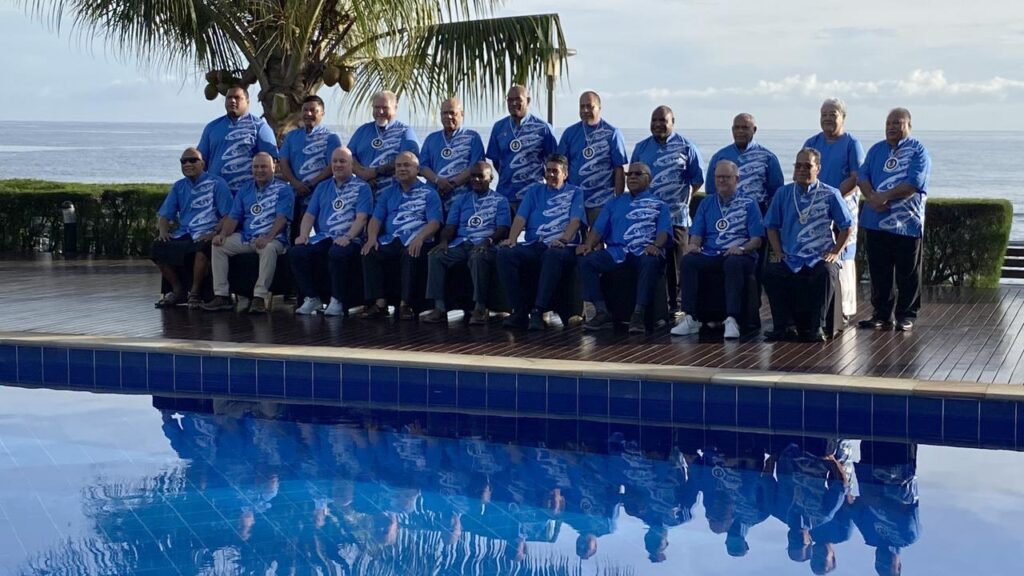
The Pacific Islands Forum leaders summit is underway, understrength, with a third of leaders likely to missing, and concerns about regional splintering.
However, Australian and New Zealand officials are downplaying the impact of the pullouts, some of which they privately blame on Chinese pressure.
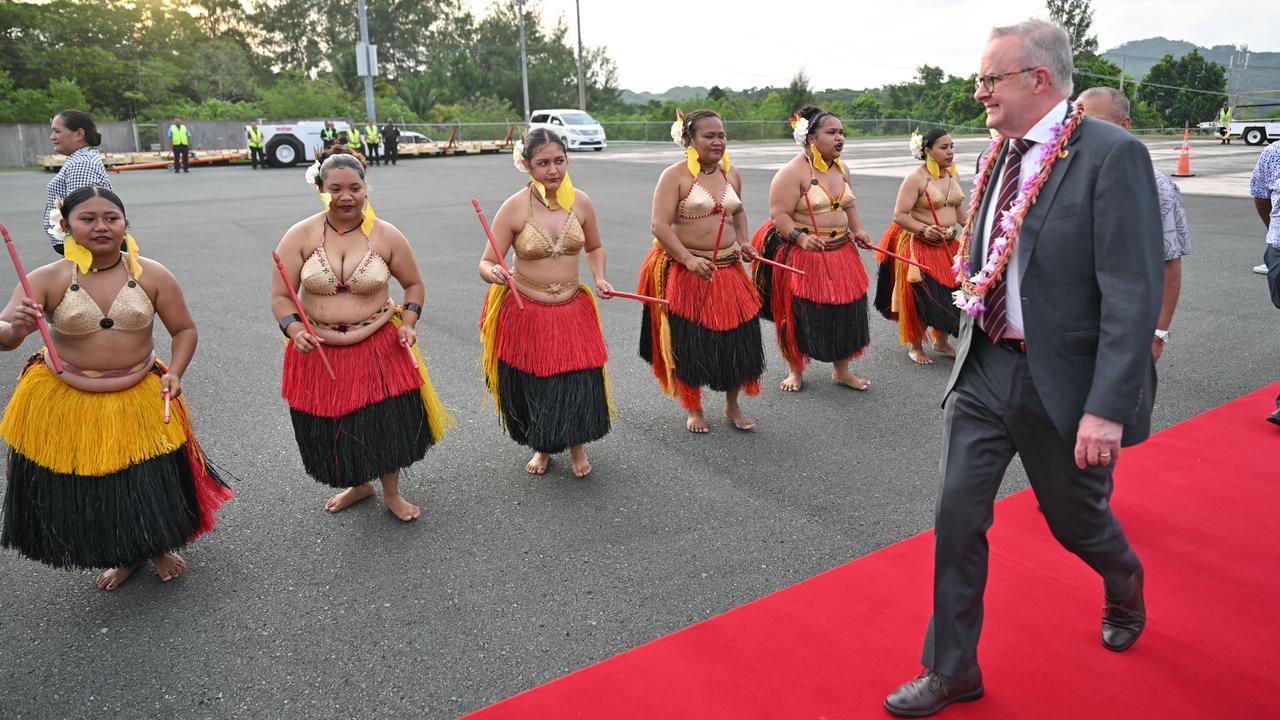
Prime Minister Anthony Albanese landed in Palau on Monday to lead Australia’s delegation at the annual PIF leaders meeting.
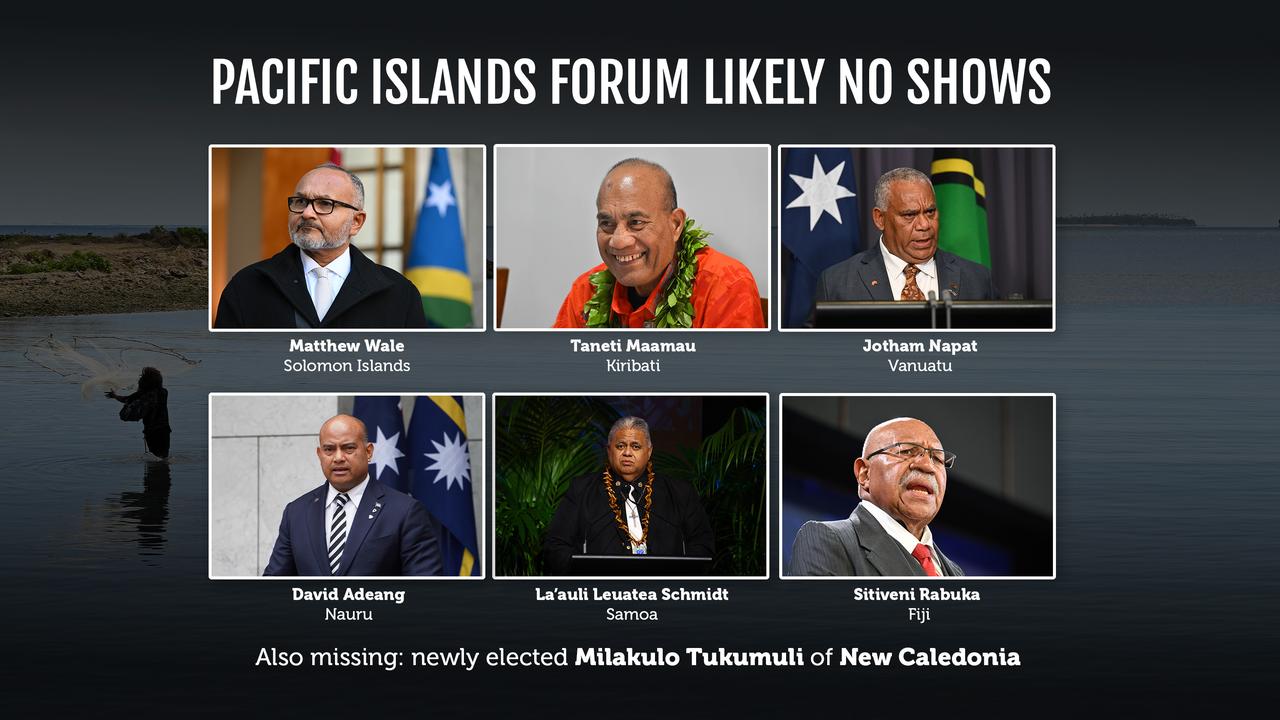
For various reasons – domestic politics, poor health, and unspoken defiance – six leaders are missing.
Leaders from Fiji, Kiribati, New Caledonia, Samoa, Solomon Islands, Vanuatu are not attending.
Amid rumours and reports he would also not attend, the usually-secretive Nauru President David Adeang confirmed he planned to travel.
Another, New Zealand’s Chris Luxon, is making a last-minute dash, arriving just for one full day.
The absence of Fiji’s grand statesman Sitiveni Rabuka is a blow, given his central role in the Ocean of Peace alliance.
From a regional stability standpoint, the most concerning absences are Kiribati and the Solomon Islands.
While other countries will be represented by deputy leaders or foreign ministers, Kiribati President Taneti Maamau is effectively snubbing the summit by sending a senior public servant and former ambassador to China.
That decision has raised eyebrows, if not alarm bells in Canberra given last week the Micronesian nation began the process of embedding ties to Beijing in its constitution.
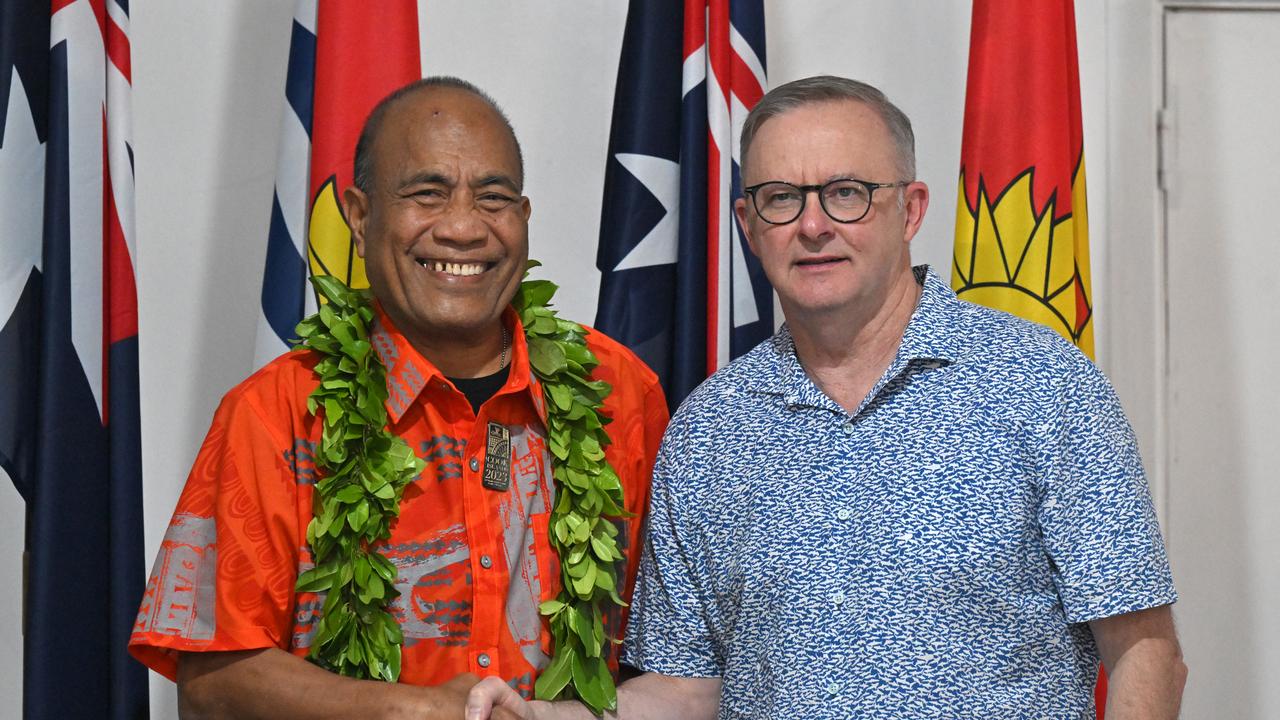
Mr Maamau blamed a difficult transit and a clash with parliament for not attending.
Solomon Islands Prime Minister Matthew Wale was left red-faced after landing in Koror, only to quickly rush home.
Mr Wale was one of a string of leaders taking advantage of New Zealand’s offer to facilitate their travel on a defence force flight from Auckland and Brisbane on Saturday.
However, the recently installed prime minister left early on Sunday when one of his cabinet ministers moved a motion of no confidence in his leadership.
Home Affairs Minister Manasseh Maelanga cited Mr Wale’s failure to consult on key decisions for his motion.
The threat to Mr Wale’s leadership comes after the 58-year-old shifted Honiara’s outlook to a more Australia-friendly stance and began negotiating a fresh treaty.
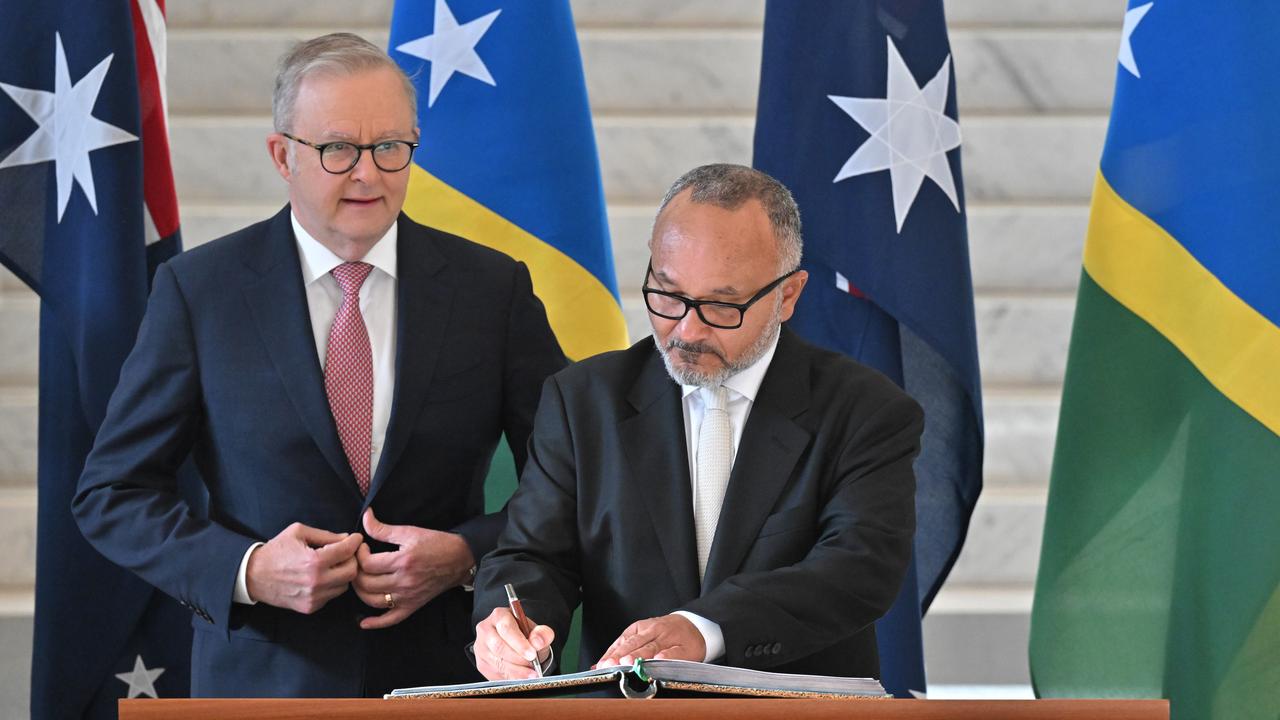
Australia holds concerns that these ructions may be tied to those talks, and possibly influenced by China.
New Zealand, too, believes the harsh hand of greater powers is at play.
Foreign Minister Winston Peters said Kiribati’s absence was “hugely disappointing” and, asked if foreign interference was involved, didn’t disagree.
“You’d be defying gravity and logic if you said it wasn’t a big problem,” he told journalists in Palau.
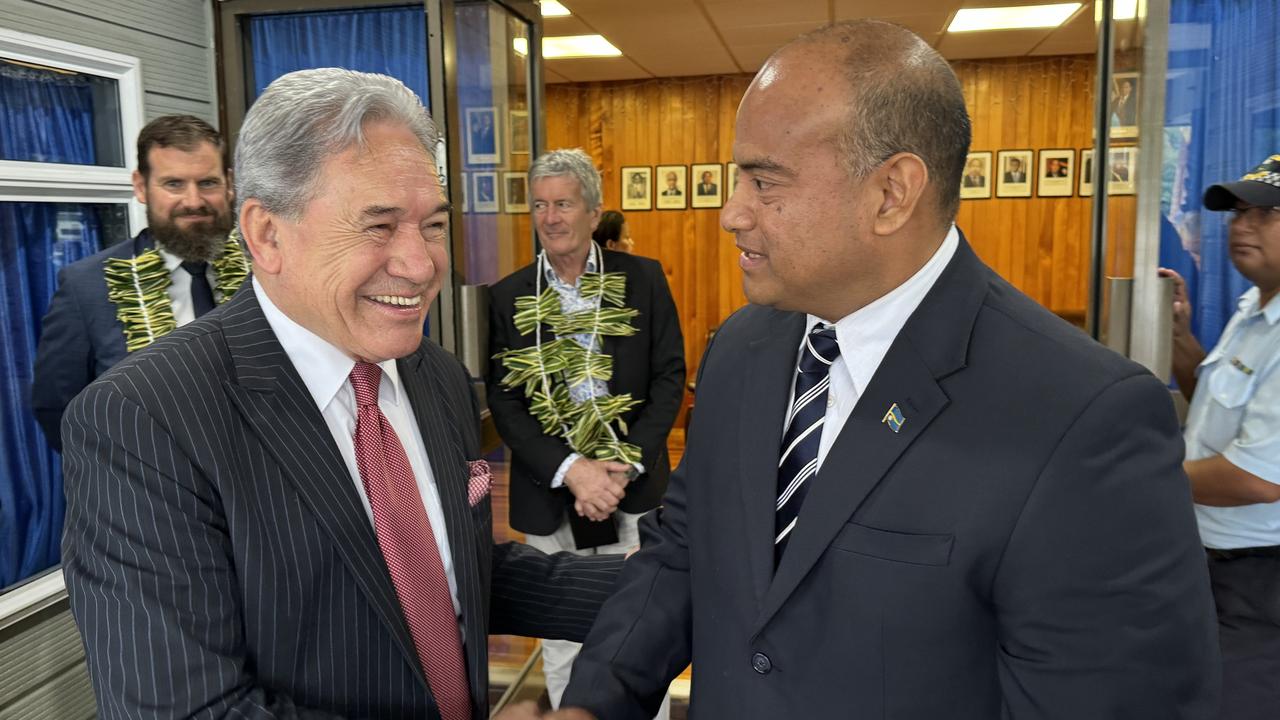
Mr Peters also had choice words for those behind Mr Wale’s political ambush while he was at “a critical Pacific event”.
“For goodness sake, could you have possibly waited until your brothers and sisters and cousins could have sorted out the Pacific in the meantime for these few days?” he said.
Officials on both sides of the Tasman pointed out PIF summits rarely achieve 100 per cent attendance and insisted the show would go on.
Mr Peters is on duty for Mr Luxon, who arrives two days after Mr Albanese, as the pair of Kiwi politicians navigate an election on November 7.
Organisers expect to welcome around 2000 visitors to Koror this week, including officials from Pacific nations and further beyond.
Deputy Secretary of State Chris Landau will lead a US contingent, while Taiwan’s Foreign Minister Lin Chia-lung is present.
Australia is sending a three-pronged ministerial team, with Climate Minister Chris Bowen and Pacific Minister Pat Conroy joining the prime minister.
AAP