Power hungry: data centre energy use set to skyrocket
Jennifer Dudley-Nicholson |
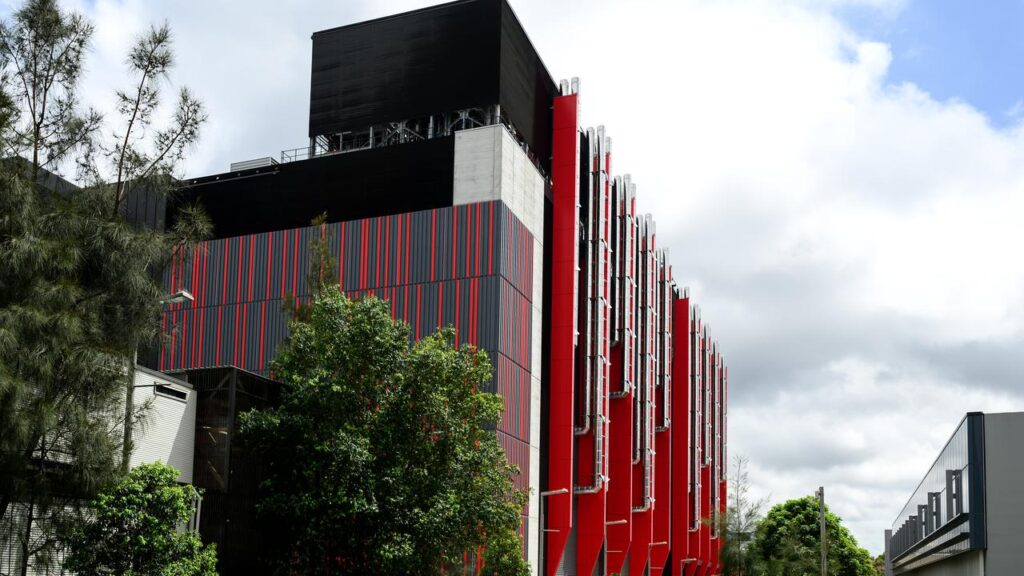
Artificial intelligence will stretch parts of Australia’s electricity network, with energy demand from data centres expected to rise by almost seven times over the next decade.
But the outlook for the National Electricity Market has improved and is expected to remain reliable into the 2030s if renewable energy, storage and transmission projects are delivered on time.
The Australian Energy Market Operator (AEMO) issued the findings on Tuesday in its annual report into future electricity supply and demand across eastern and south-eastern states and territories.
The report comes amid fierce debate over data centre regulation, with state and federal leaders expected to discuss rules governing their energy and water use at Wednesday’s national cabinet meeting.
Queensland and the Northern Territory have previously rejected proposals to require large data centres to invest in additional renewable energy resources to meet their needs.
But AEMO’s Electricity Statement of Opportunities report found data centres would continue to amplify demand on Australia’s National Electricity Market over the next decade.
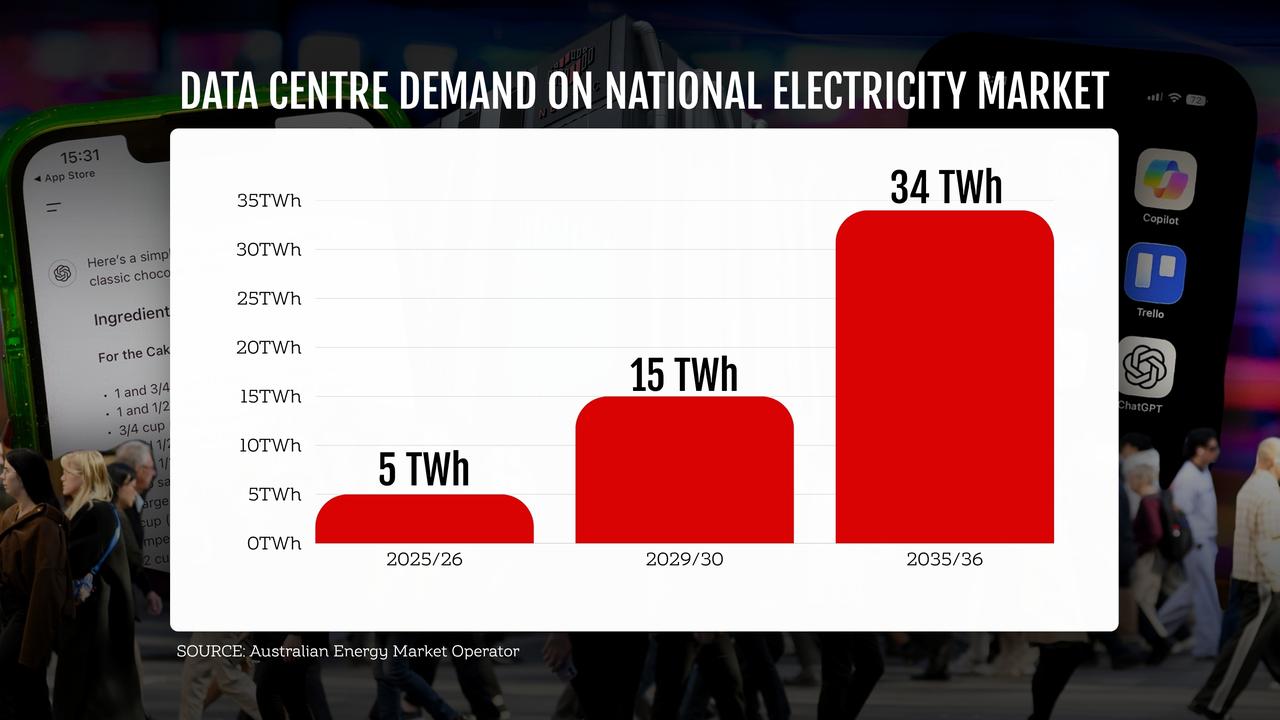
Australian data centres would use five terawatt hours of energy in 2025/2026, or about three per cent of all energy from the grid, the report found.
Their power consumption would rise by almost seven times to 34 terawatt hours by 2035/2036, it predicted, representing 13 per cent of grid power.
The forecast did not account for all data centres proposed for Queensland, nor did it model proposed renewable energy requirements.
Despite surging demand, Australia’s energy outlook had improved since the last report with no reliability gaps identified before 2030, AEMO chief executive Daniel Westerman said.
“The reliability outlook has improved, supported by record levels of new generation and storage, and a strong pipeline of projects expected over the next decade,” he said.
“As electricity demand continues to grow and ageing generation retires, continued investment in generation, storage, transmission and consumer energy resources will be needed to maintain stability.”
A record 9.1 gigawatts of new energy generation and storage reached full output in 2025/2026 – twice as much as the previous year – while another 40 gigawatts of renewable generation and battery storage developments were planned, and 33 gigawatts of energy projects received government investment.
But these projects would need to be delivered on time to maintain energy reliability, the report warned, and coal-fired power stations would need to work until their planned retirement dates, with three scheduled for 2028 and 2029.
The findings showed investments in household batteries and large-scale renewable projects were making a difference, Energy Minister Chris Bowen said.
“There is more work to do and AEMO is clear we need to keep building, but this report shows the pipeline is strong and reliability is improving,” he said.
AAP