Female politicians facing ‘deadly trajectory’ of abuse
Emily Woods |
Since entering politics Helen Blackburn has experienced online abuse, but recently it’s been escalating rapidly.
In the past two months, the central Queensland mayor has been subjected to a targeted campaign of harassment across multiple social media platforms using artificial intelligence-generated fakes.
A South Park-style parody series was created after she announced her council’s budget to humiliate Ms Blackburn and threaten her life.
“It’s designed to degrade me and undermine me as an elected representative,” the mayor of Bundaberg Regional Council told AAP.
“One had the Grim Reaper in it, there were then people saying, ‘I hope she dies of a heart attack’, someone else comes on and says ‘All I need is two bullets and I’ll sort it out’.”
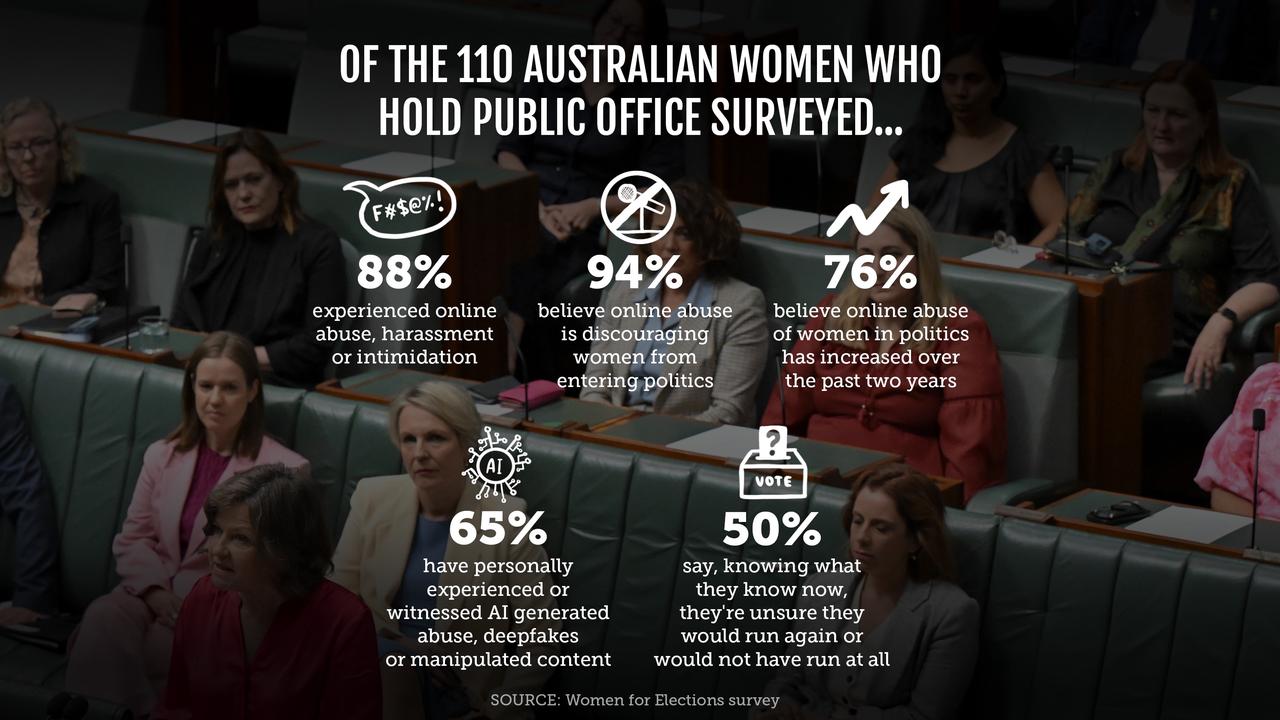
Almost nine in 10 Australian women in public office or running for election have experienced online abuse linked to their political role, a survey released on Wednesday found.
The survey, by Women for Election, involved 110 Australian women from all levels of government.
Three-quarters believed online abuse of women in politics had increased in the past two years.
About 65 per cent of the women surveyed had personally experienced or witnessed AI-generated abuse, including deepfakes or manipulated content, and 98 per cent believed it would get worse.
Half said online abuse had made them question whether they would run for office again, a cohort that includes Ms Blackburn.
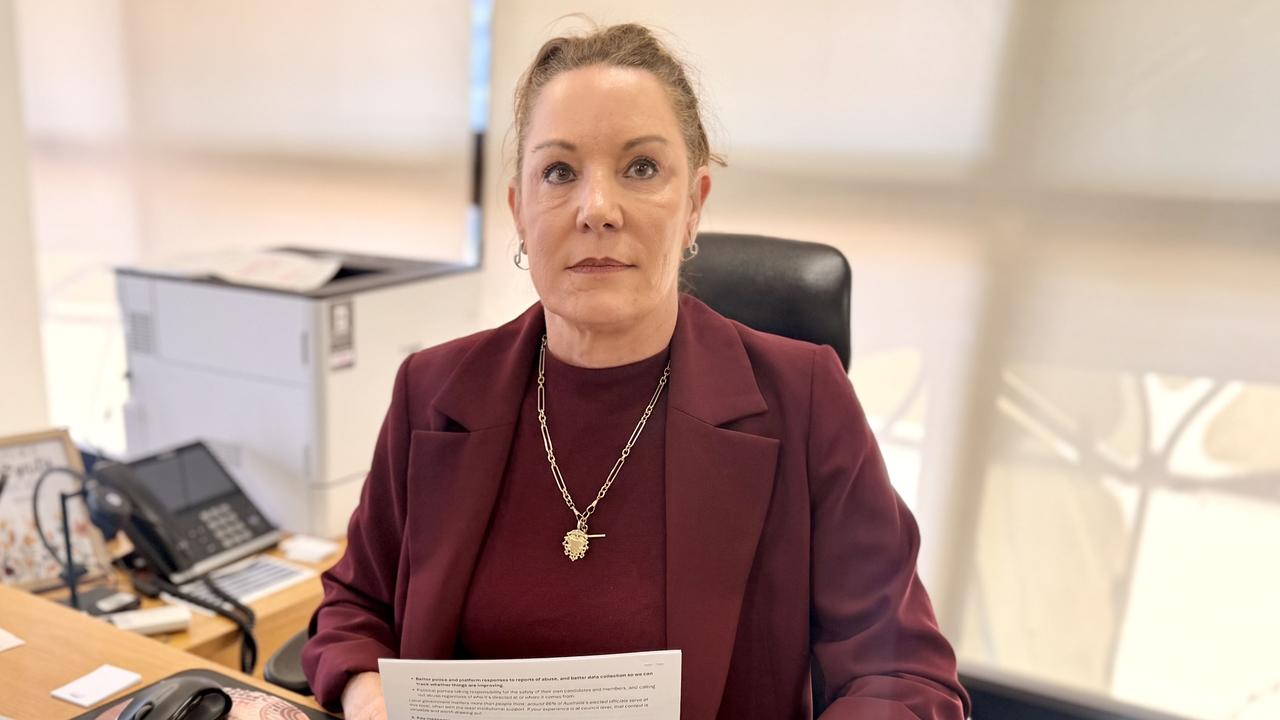
She has thought about resigning after facing various forms of online abuse since 2020, which has been detrimental for her mental health and reputation.
“As recently as last night there has been online hatred, not just about me but about my partner and about his former workplace and his former relationships,” Ms Blackburn said.
Of those surveyed, 82 per cent changed their behaviour after experiencing online abuse.
This included 58 per cent limiting their social media use, 36 per cent increasing security measures, and 34 per cent taking time away from public life or campaigning.
Women for Election chief executive Licia Heath said AI was scaling up harmful abuse at a rate faster than governments could respond to it.
That could include the deployment of bots to inundate someone’s social media comments section, or the use of so-called “nudification” apps.
“All of these new ways to dehumanise women in politics, with the ultimate aim to try to silence their voices … is when democracy suffers,” Ms Heath said.
“I don’t want to wait for a woman MP to be killed in office before we start making some changes.”
She is calling for social media and AI companies to take greater accountability for abuse, more support from political parties, dedicated protections for candidates and representatives, and a national action plan.
“We just don’t fix this by asking women to toughen up, we fix the system,” she said.
Global researcher Julie Posetti said the drivers behind gendered online violence were rising authoritarianism and misogyny, and they were translating into fewer women running for office.
“Ultimately, the goal is to render women compliant and less visible, then you threaten the stability of democracy,” the Australian former journalist said.
Virtual threats must be taken seriously because abusers often take their threats offline.
Dr Posetti’s international research found 41 per cent of surveyed women in the public sphere had experienced physical violence linked to online harm, double the share from a similar study five years earlier.
“In the most extreme cases, this dangerous trajectory becomes a deadly trajectory,” she said.
“One of the most problematic responses from employers or governments or regulators is to say, well, this is just virtual. It’s not – it’s incredibly real.”
AAP