Flaws in aged-care reform laid bare by $1800 crutches
Zac de Silva |

Flaws in a government overhaul of the nation’s aged-care system are harming older Australians while failing to rein in rising costs, warns the woman who oversees safety in the sector.
Focusing on supporting older people once they entered care, rather than allowing them to spend longer living at home, meant the government’s goal of allowing Australians to age with dignity was at risk of slipping out of reach, outgoing aged care inspector-general Natalie Siegel-Brown said.
Labor’s new Aged Care Act took effect in November, aimed at better supporting older Australians while making the sector more financially stable, but Ms Siegel-Brown said it was not working.

“The plumbing of the reforms is undermining the poetry of the act,” she told the National Press Club on Wednesday.
“We say we want people to age in place, yet we discourage people from accessing support at home … we say we cannot build enough beds while making it harder for people to stay out of them.”
Ms Siegel-Brown, who resigned early to focus on a role with the United Nations, warned the design of the system was forcing taxpayers to pour more money than needed into helping older Australians.
In one instance, a pensioner was told by her GP she needed a $50 pair of crutches to stay mobile, and sought to get them through the support-at-home program.
“Under support at home, those same $50 crutches cost the taxpayer $1800 and a three-month wait,” Ms Siegel-Brown said.
“Why? Because the system insists that an in-home occupational therapist assessment must be funded before it can fund what a GP had already said was necessary.”
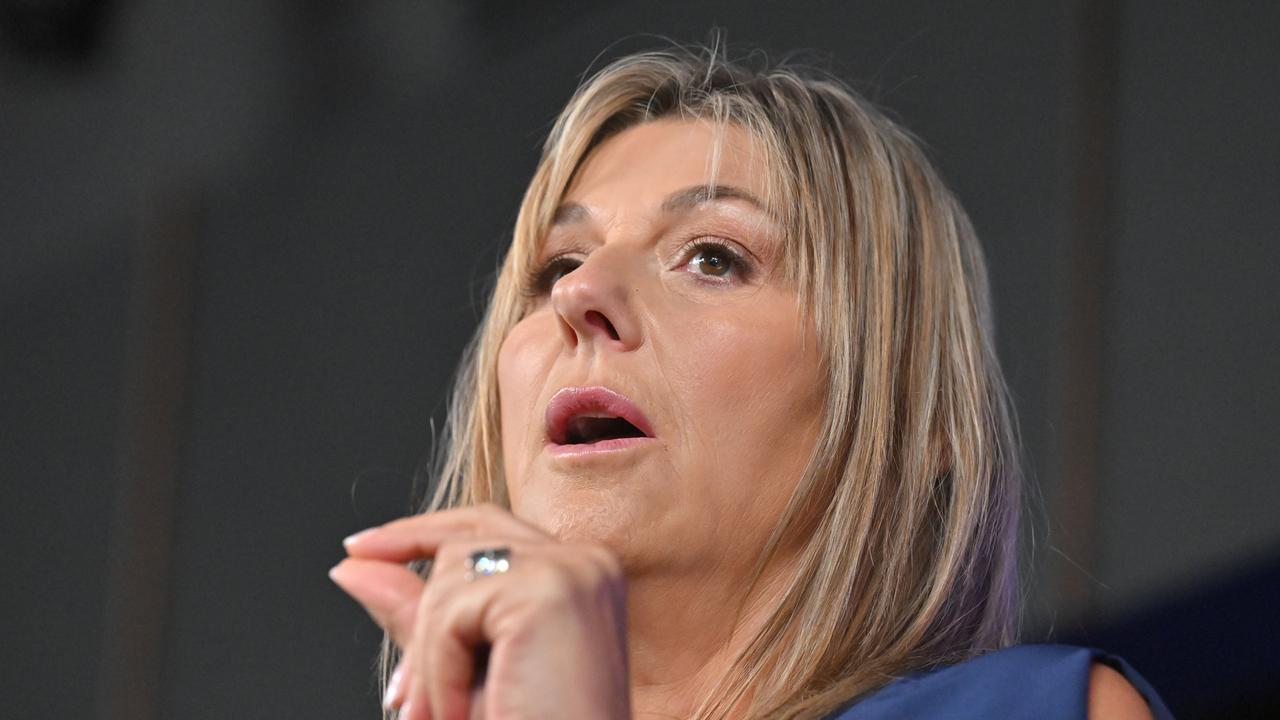
The woman waited three months, during which time her risk of falling increased dramatically and her confidence dropped.
“If she had fallen, we would have been dealing with hospitalisation, rapid decline, and – if she could get a place – residential aged care at a cost to the taxpayer of about $123,000,” Ms Siegel-Brown said.
She compared debates over aged care to those about youth justice, urging politicians and the public to look beyond quick fixes.
“If I look across this country at the youth justice debate, the answer that seems to gain popular grip is ‘lock the kids up’ when we have decades of evidence that that doesn’t work,”Ms Siegel-Brown said.
“My fear is that we might be doing that in aged care in various places.”
Opposition aged care spokeswoman Anne Ruston said putting more emphasis on early intervention made economic sense and would lead to better outcomes for older Australians.

She also called for more action to clamp down on high costs in aged care.
“The question that really needs to be asked is: what is the government doing to try and stop the cost inflation that’s been built into the aged-care sector by its own actions?” Senator Ruston told AAP.
A spokesman for Aged Care Minister Sam Rae disputed Ms Siegel-Brown’s claims, saying the government had transformed the state of residential aged care.
“While we know there’s much more to do, our aged-care system is on a stronger, more sustainable footing as a result of our reforms and we’ll continue to work to strengthen it as our generational reforms bed down,” he said.
By the end of the 2026/27 financial year, the number of older Australians on the new support at home scheme would have almost tripled compared with those on a home care package in 2020, the government said.
AAP