Longest stretch of weak growth since 1990s forecast
Jacob Shteyman |
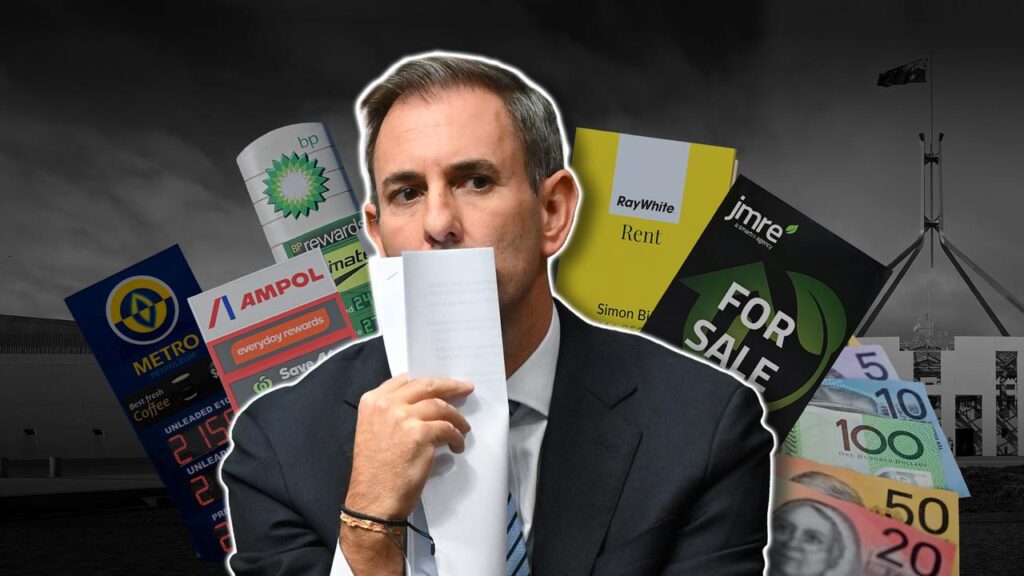
Australia’s economy is set to grow below two per cent for the longest period since the early 1990s, exposing a malaise long masked by population growth, a report has warned.
Rarely has the economics advisory group adopted such a downbeat assessment of the short-term outlook, Deloitte Access Economics’ Stephen Smith said.
While the economy is still expanding, growth has slowed, inflation has accelerated, interest rates have moved higher and the Middle East oil price shock is yet to be resolved.
Deloitte slashed its economic growth forecast for Australia from 1.9 per cent to 1.3 per cent for 2026/27, in line with the latest Reserve Bank estimate.
Gross domestic product is expected to expand 1.9 per cent in 2027/28, which would make it the longest stretch of sub-two per cent growth since the early 1990s recession.
Mr Smith said 2026 was the year in which Australia’s economic vulnerabilities were revealed.
“Australia is now structurally exposed in ways that have become hard to ignore,” he said.
“For too long, strong population growth has masked a weak underlying productivity performance and lifted aggregate growth while doing less to improve living standards.
“Years of insufficient investment in housing, infrastructure, energy and the economy’s productive capacity have left the supply side of the economy struggling to keep pace with demand.”
Deloitte forecast Australia’s economy to grow by 2.2 per cent in 2025/26.
Headline inflation is predicted to remain above four per cent for the remainder of the calendar year, prompting the RBA to raise interest rates one more time in August.
Despite tax relief and higher award wages kicking in on July 1, households remained under pressure due to rising prices, borrowing costs and weak confidence, Mr Smith said.
Consumer confidence fell 1.2 points to 74.7 the previous week, according to ANZ’s weekly sentiment gauge.
ANZ economist Sophia Angala said the decline in confidence coincided with the release of hawkish minutes from the RBA’s June rates meeting, which reinforced the risk of a further rate hike.
“We expect annual household consumption growth to ease from 2.5 per cent in 2025 to 1.1 per cent in 2026,” she said.
Australia’s resilient labour market, including unemployment at a relatively low 4.4 per cent, was a source of strength, Mr Smith said.
Business investment had also improved in the past six months, but it has been narrowly focused on data centres, he said.
Economy-wide, investment was still relatively weak.
“It will add to Australia’s digital capacity and may support productivity over time,” Mr Smith said.
“But the near-term effects are less powerful than the headline numbers imply, including because most of the equipment being installed is imported.”
Treasurer Jim Chalmers said the report was another important reminder of the lingering costs and consequences of the war in the Middle East, weighing on growth.
“We have a lot coming at us from around the world but a lot going for us here at home,” he said, pointing to low unemployment and rising business investment.
AAP