‘Provocative act’: PM hits out at Chinese missile test
Andrew Brown |
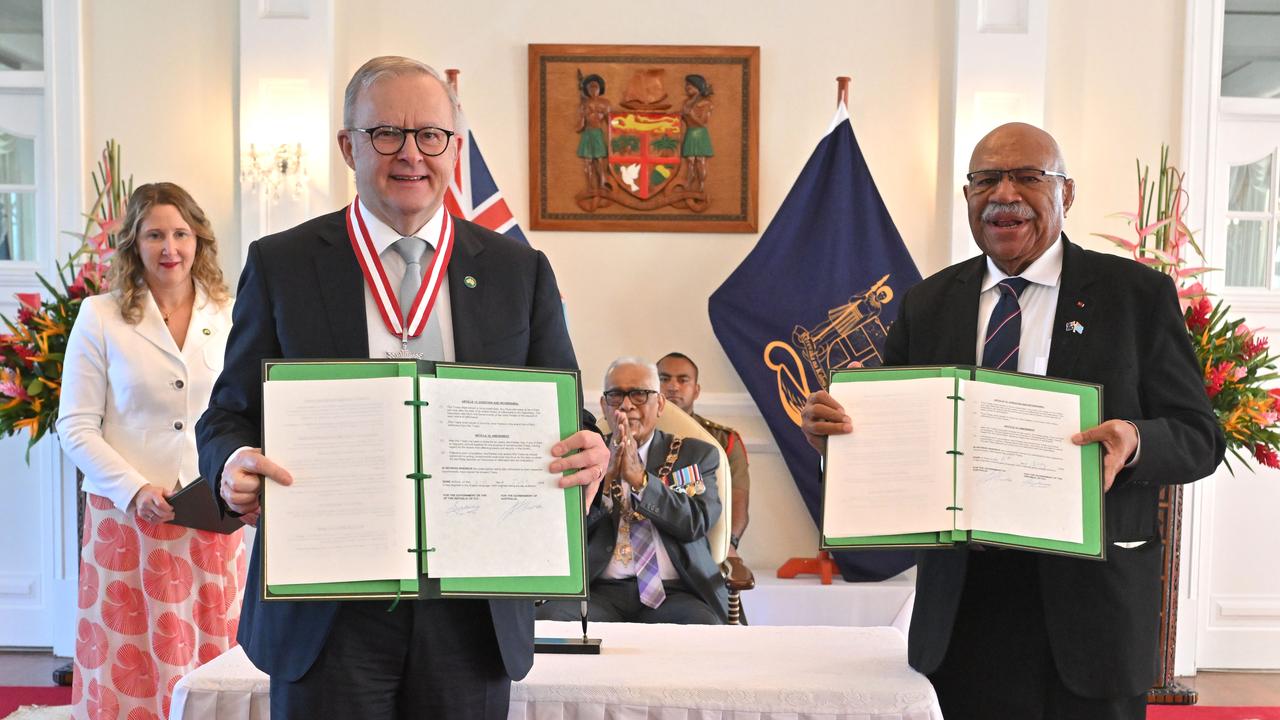
The testing of a Chinese missile in the Pacific is incendiary and destabilising, Australia’s prime minister has warned a day after he signed an historic defence pact with Fiji.
China fired the nuclear-capable long-range missile from a submarine in the Pacific on Monday, with the federal government only given several hours’ notice about the test.
The missile is understood to have landed between Nauru and Tuvalu.
The test happened on the same day Australia inked a defence alliance with Fiji, only the fourth Australia has signed, with the $1 billion agreement aimed at countering Chinese influence in the region.
After China’s missile test, Anthony Albanese said the federal government had made its concerns known to Beijing.
“We don’t want to see any action that is destabilising or which undermines the peace, security and stability of the Pacific and the region,” he told reporters in the Solomon Islands on Tuesday.
“There is no doubt that this is a provocative act by China, which does destabilise the region and therefore we will put forward our strong view.”
Mr Albanese said the lack of advanced notice by China about the test was not the only concern over the incident.
“What we need is less nuclear weapons, certainly not more,” he said.
“The nature of the weapon that was tested has a capacity clearly to reach at long range and to cause considerable damage were it to be weaponised.”
Chinese foreign ministry spokeswoman Mao Ning defended the test, saying it was a routine arrangement in its military training program.
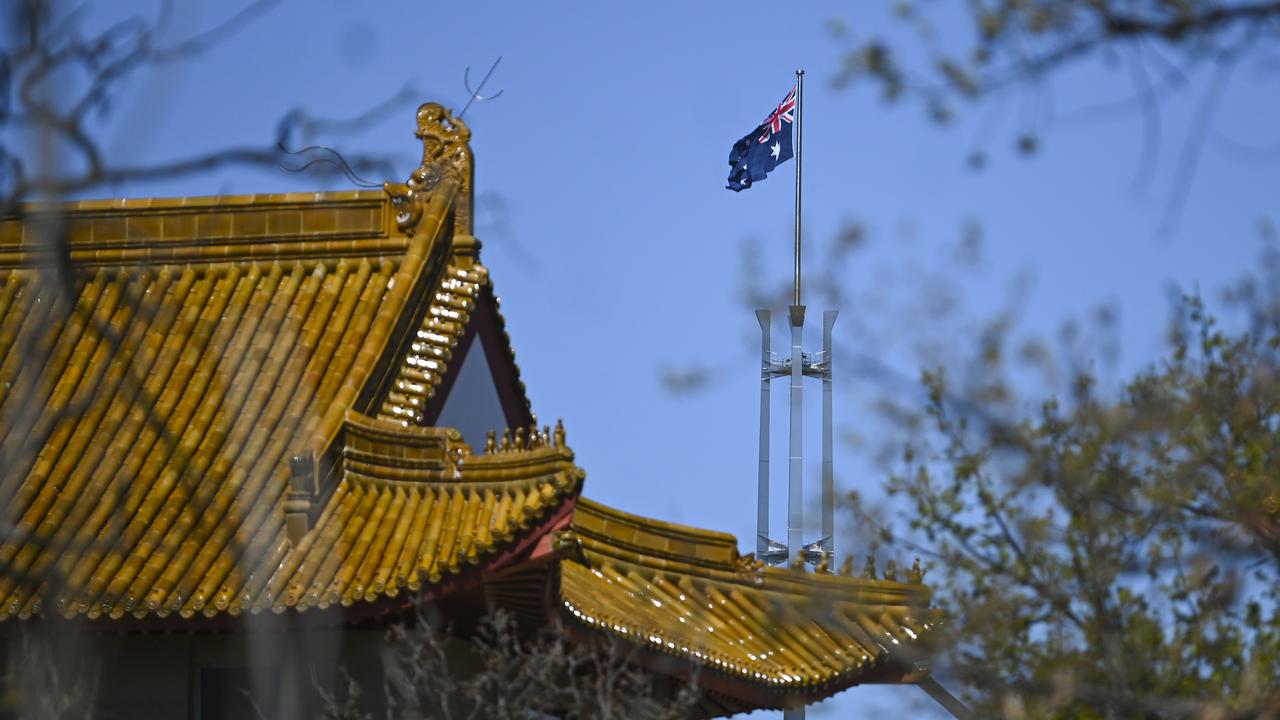
“It is consistent with international law and customary international practice and is not directed at any specific country or target,” she said.
“The countries concerned were informed prior to the launch. The whole process was safe, standard and professional.
“We hope relevant countries will not read too much into it.”
Due to the level of preparation needed for such a test, the timing just hours after the agreement with Fiji was signed has been described by some Australian ministers as a coincidence.
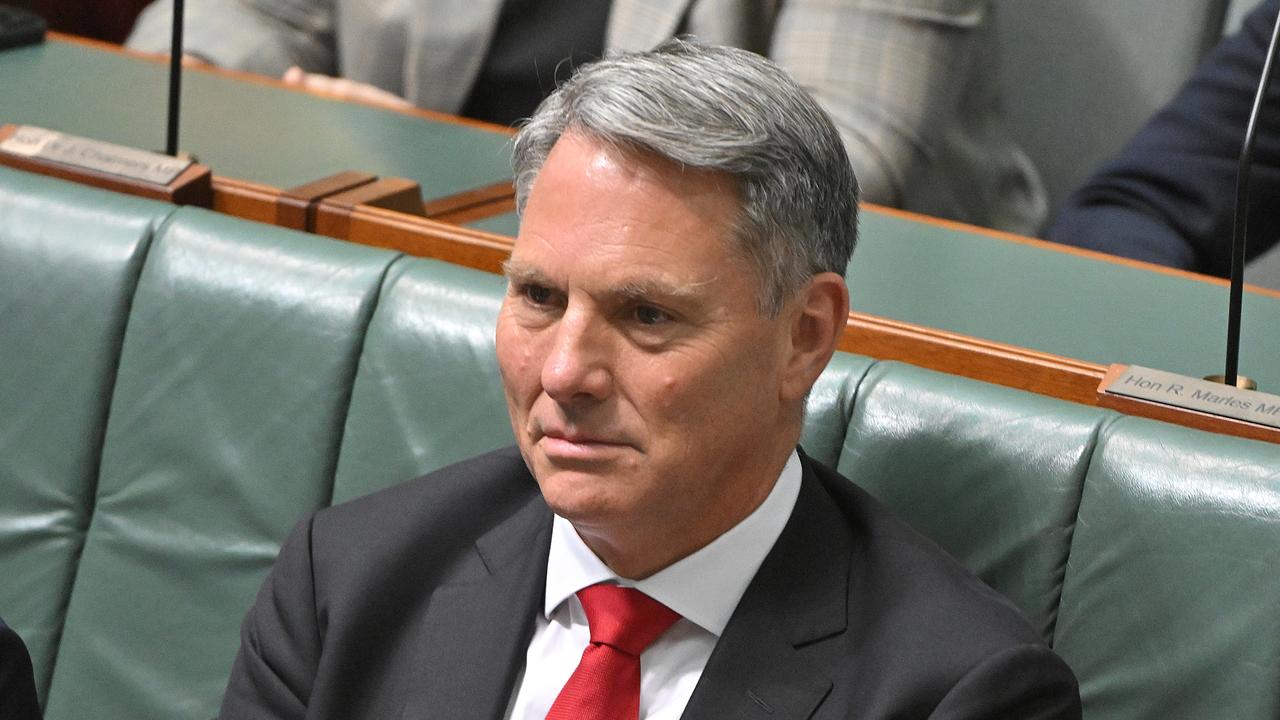
But Defence Minister Richard Marles said it reinforced the need for Australia to have closer ties in the Pacific.
“What this says is how important it is that we are building the closest relationships that we can with our neighbours, but also our partners more broadly in our region and around the world,” he said.
The tests had also drawn condemnation from outside Australia, with a US State Department spokesman saying it went against the prevention of nuclear proliferation.
“Beijing’s rapid and opaque nuclear weapons build up is of great concern to the region and the world,” the spokesman said.
“We continue to urge China to engage in meaningful arms control discussions and commit to a regularised notification arrangement for all intercontinental-range ballistic missile and space launches.”
Solomon Islands Prime Minister Matthew Wale, who was speaking alongside Mr Albanese, also criticised the test.
“China is a good friend of Solomon Islands, but this is not something a friend does. This is not good in our region,” he said.
“We don’t want to see any more countries – China, America, anybody – we don’t want anybody testing the ICBMs in the Pacific Islands region.”
Opposition Leader Angus Taylor said China’s military testing was unwelcome.
“This is not the way to a peaceful and stable South Pacific,” he told reporters in Darwin.
The test comes as Mr Albanese ramps up diplomatic efforts in the Pacific.
An alliance with Papua New Guinea, known as the Nakamal Agreement, will come into effect on Wednesday.
Mr Albanese will also host PNG’s prime minister, along with leaders from Tonga and Samoa, in Brisbane on Wednesday as part of Pacific talks.
AAP