‘Right the ship’: polluters tax could be vote spinner
Callum Godde |
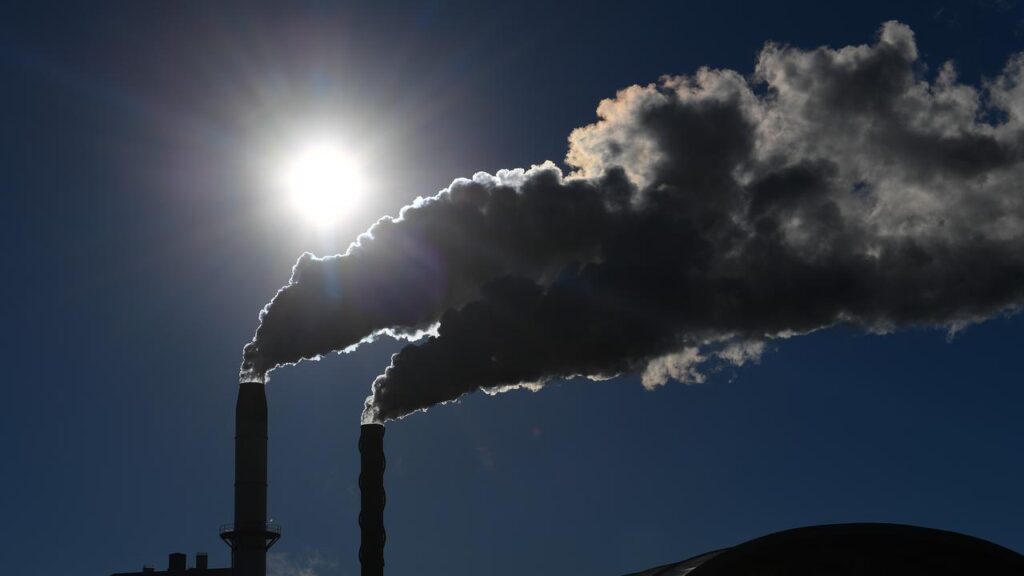
Forcing Australia’s biggest polluters to pay tax for their emissions may no longer be electoral kryptonite, polling indicates.
The survey of 3000 Australian adults by Redbridge Group showed most regional and urban voters supported introducing a pollution levy on the nation’s 100 biggest polluting companies.
The policy scored strong net agreement among voters for both major parties.
In regional NSW, Victoria and Queensland, there was 83 per cent net approval by Labor supporters and 22 per cent net approval from coalition backers.
It retained net support from the rest of Labor (79 per cent) and coalition (33 per cent) voters across the nation.

One Nation supporters were the only cohort against the idea, recording narrow net negatives of minus three and minus 13.
The survey was done on behalf on the Superpower Institute, an economic think tank that has proposed two levies on resource companies to raise an estimated $35 billion in revenue a year until 2050.
Australia repealed its carbon pricing mechanism in 2014 and introduced the Safeguard Mechanism that sets emissions limits for heavy industry.
The polling demonstrated the power of reframing the debate from climate action to the resource industry paying its fair share of tax, Redbridge director Kos Samaras said in an online presentation on Friday.

The former Victorian Labor campaign strategist said Australia’s electoral roll looked vastly different to when the coalition swept to power in 2013 after Tony Abbott ran on scrapping Labor’s “carbon tax”.
Baby boomers and older Australians made up in excess of 60 per cent of enrolled voters at the time.
That figure has dropped into the 20s, with Gen Z and Millennials to account for almost half of the voting public come the next federal election.
“If you’re not winning the politics and the hearts and minds of these particular Australians, you’re not winning any election or getting anywhere close to any seats in the big cities,” Mr Samaras said.
More than 50 countries have introduced a carbon pricing instrument to reduce emissions, including Europe, the UK, New Zealand and China.
Australia had reduced emissions 28.5 per cent on 2005 levels by mid-2025.

The Albanese government has set goals to reduce emissions by 62 to 70 per cent by 2035 and reach net zero by 2050.
The coalition abandoned its net zero target under Sussan Ley, who was toppled by Angus Taylor in a leadership spill on Friday.
Mr Samaras suggested the polling reinforced the risk of the coalition losing remaining supporters by lurching further to the right to counter the rise of One Nation.
“You cannot live in The Lodge unless you are securing … some seats that are significant supporters of climate action,” he said.
Mr Samaras acknowledged a levy on polluters would be “vulnerable” to a scare campaign on rising power bills due to passed-on costs but urged the Albanese government to “capitalise” on the emerging constituency with tax reform.
“You can win a lot of elections if you embrace reform,” he said.
“People want the ship righted … they want the system that they think is stacked against them recalibrated.”
AAP