Spending, jobs data latest clues on February rate hike
Jacob Shteyman |
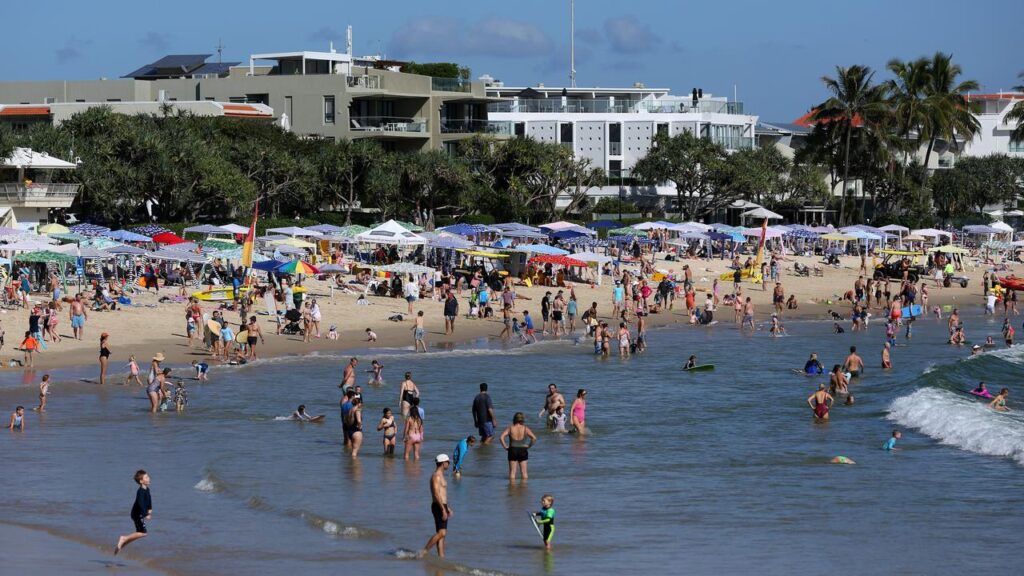
Australians spent big at the altar of rock gods AC/DC and Oasis, continuing a run of strong household spending that will add to the Reserve Bank’s concerns over inflation.
Consumption rose 0.5 per cent for November, Commonwealth Bank revealed in its monthly Household Spending Insights report on Thursday, lifting spending growth for the year to a brisk 5.5 per cent.
The data provides an early taste of what the Australian Bureau of Statistics’ official household spending figures are likely to show when they are released in January.
Economists were surprised last week when ABS figures showed a much stronger-than-expected 1.3 per cent rise in spending in October.
That momentum continued in CBA’s report, which showed households, buoyed by stronger disposable incomes, spent big on discretionary items.
Recreational spending jumped 1.6 per cent as punters went out to AC/DC, Oasis and Metallica concerts, the Ashes cricket, and the movie Wicked: For Good.
CBA’s head of Australian economics, Belinda Allen, said stronger demand in the economy had fuelled inflation and contributed to RBA rate hikes being put back on the table.
“What I think has also become clearer is that the stronger consumer environment, together with recovering business investment and still solid public demand has meant the economy is very close, if not above, its capacity limits,” Ms Allen told AAP.
“And that’s why you’re starting to see more conversations around inflation and higher interest rates from here.”
Fresh jobs data set to be released by the ABS on Thursday may provide further clues about the likelihood of an interest rate hike in February.
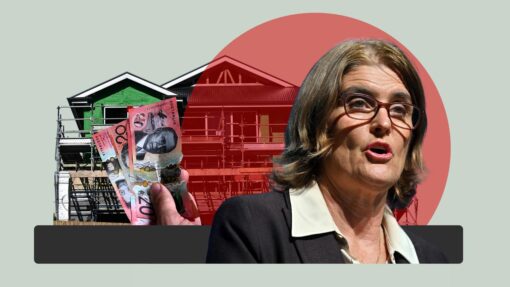
It will be the first major economic indicator since RBA governor Michele Bullock rattled markets by revealing the central bank would have to consider a rate increase in 2026.
Speaking to media after the RBA’s monetary policy board held the cash rate at 3.6 per cent on Tuesday, Ms Bullock said the board would have to consider raising rates in February, if inflation and jobs data suggested financial conditions were not tight enough.
“That’s what we’ll be focusing on: deciding whether or not we need to increase interest rates again, or are financial conditions sufficiently tight – just tight enough – to just keep that downward pressure on,” she said.

Ms Bullock said the RBA still believed labour market conditions were a little tight, with unemployment at a relatively low 4.3 per cent and measures of labour underutilisation subdued.
RBA staff have forecast the unemployment rate to rise to 4.4 per cent by the end of 2025 and stay there for two years.
The consensus view among market economists has unemployment ticking up to 4.4 per cent on Thursday.
CBA’s Ms Allen thinks it will hold at 4.3 per cent with an extra 25,000 jobs added to the economy in November.
“The labour market still looks in a decent position using our data here at CBA, and certainly that’s what we expect in the data for November,” she said.

ANZ economist Aaron Luk also expects the unemployment rate to stay at 4.3 per cent with a continued decline in job ads, suggesting modest employment growth of 15,000.
If the unemployment rate continues to hold below the RBA’s forecasts, that would further add to the case for a February rate hike.
Before then, the ABS will release another labour force update on January 22.
But the biggest piece in the data puzzle will fall into place on January 28, when inflation figures for the December quarter are published.
“There are still some question marks about whether or not those inflation pressures are temporary or persistent. We should get some more answers on that after the December quarter inflation print,” Ms Allen said.
AAP