China hits back as US slaps new tariffs on 14 nations
|
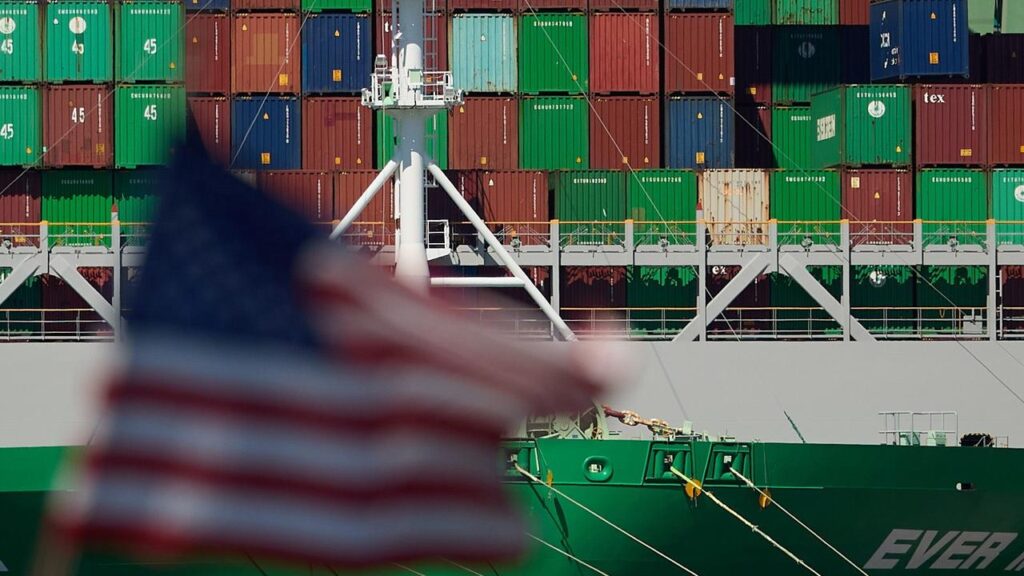
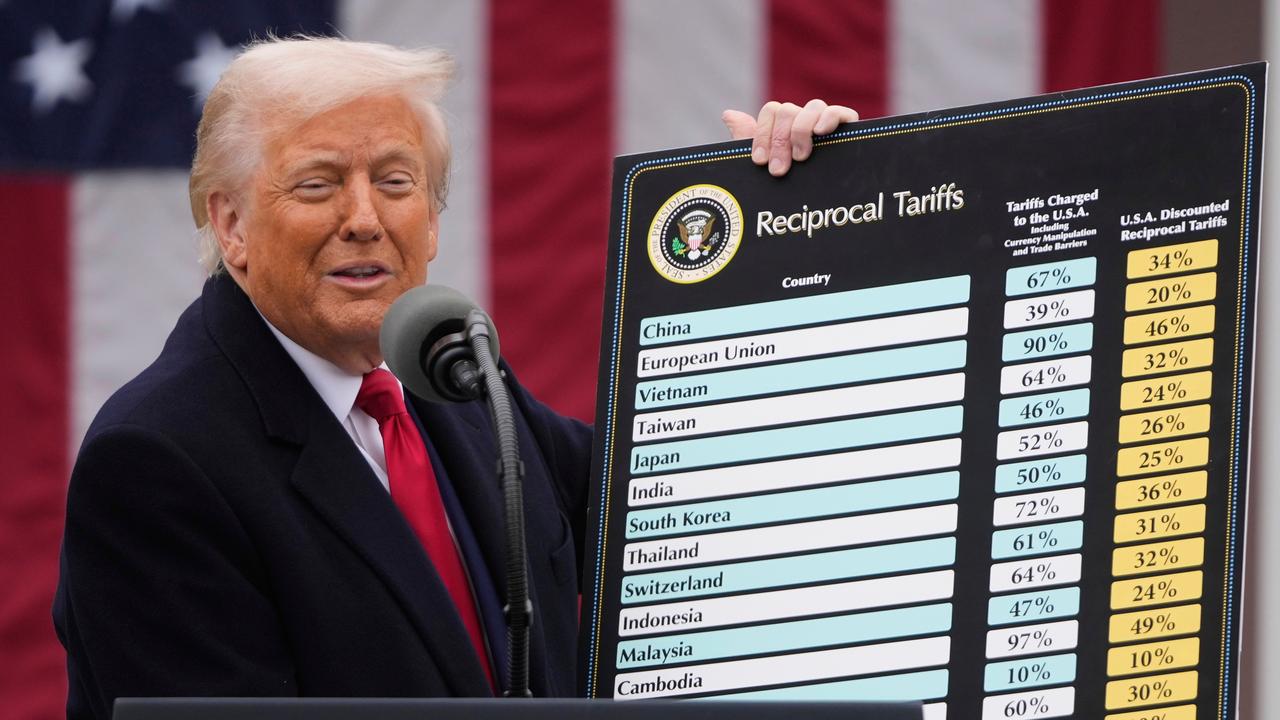
US President Donald Trump has unveiled new tariffs on imports from China, the European Union and 12 other countries, accusing them over overproducing certain goods.
His administration proposed new headline tariff rates of 20 per cent to 40 per cent but said duties would be capped at lower levels agreed under trade deals that had already been concluded or remained under negotiation.
US trade representative Jamieson Greer told CNBC many trading partners had adopted “market distorting practices that tilt the trade balance in their favour while eroding America’s manufacturing base”.
The US has long accused China of subsidising industry and flooding global markets with low-cost exports ranging from steel to electric vehicles and solar products.
After a spokesperson for China’s embassy in Washington rejected the assertion that China was a source of excess capacity, Beijing said it reserved the right to take necessary measures to safeguard its legitimate rights and interests – but stopped short of threatening retaliation.
China’s Commerce Ministry spokesperson He Yadong said the US investigation was an act of unilateralism and urged America to “correct … wrong practices and return to the right track of resolving issues through dialogue and consultation”.
The announcement does not directly affect trade with Australia or New Zealand.
Greer also proposed a new 10 per cent tariff on imports of Brazil’s finished Embraer commercial aircraft and raising duties on imports of Brazilian sugar that exceed quotas.
The products were previously exempted from Trump’s 25 per cent tariffs on Brazilian goods that were imposed in July.
Brazil’s government expressed indignation over the new proposals and threatened retaliatory measures.
“The … unilateral decision constitutes an unacceptable action within the framework of the ongoing bilateral negotiating process,” it said in a statement.
“Brazil will not yield to this type of threat.”
The proposals will be subject to hearings before any decision is made.
A US official said it was unlikely the tariffs would come into force before January 25.
Under the plans, China will face the highest capped rate of 20 per cent, which will be added to duties of roughly 25 per cent imposed during Trump’s first term.
That rate would comply with a US-China trade truce that expires on January 10. But if the truce unravels, China’s rate will rise to 40 per cent.
The US administration argues policies such as subsidies and low labour standards encourage manufacturers in the 14 countries to produce more than their domestic markets can absorb.
A senior US government official, speaking on condition of anonymity, said these alleged practices hit particularly hard in the mechanical engineering and car industries as well as in the production of paper, aluminium, steel, robots, satellites, batteries, cement, chemicals and glass.
Capped tariff rates of 18 per cent have also been proposed for imported goods from Cambodia, Indonesia, Malaysia, Thailand and Bangladesh, and 15 per cent including existing “Most Favoured Nation” duties for Japan, South Korea, Taiwan, the EU and Switzerland.
India, which is yet to reach a trade deal with the US, will face a 17 per cent tariff rate if an agreement is finalised and a 25 per cent rate if talks fail.
Singapore will receive a capped tariff rate of 10 per cent.
South Korea said its manufacturing sector was an integral part of US supply chains and it would hold further talks to safeguard its national interests.
After the tariffs were announced, Australia’s trade minister Don Farrell met with key trading partners at an economic dialogue in Vietnam and said stability and predictability were “more important than ever in the current global trading environment”.
Earlier this year, the US Supreme Court ruled Trump had unlawfully used an emergency powers law to impose tariffs on about 60 trading partners.
with agencies
Reuters