Netanyahu’s party claims Israeli election was ‘stolen’
|
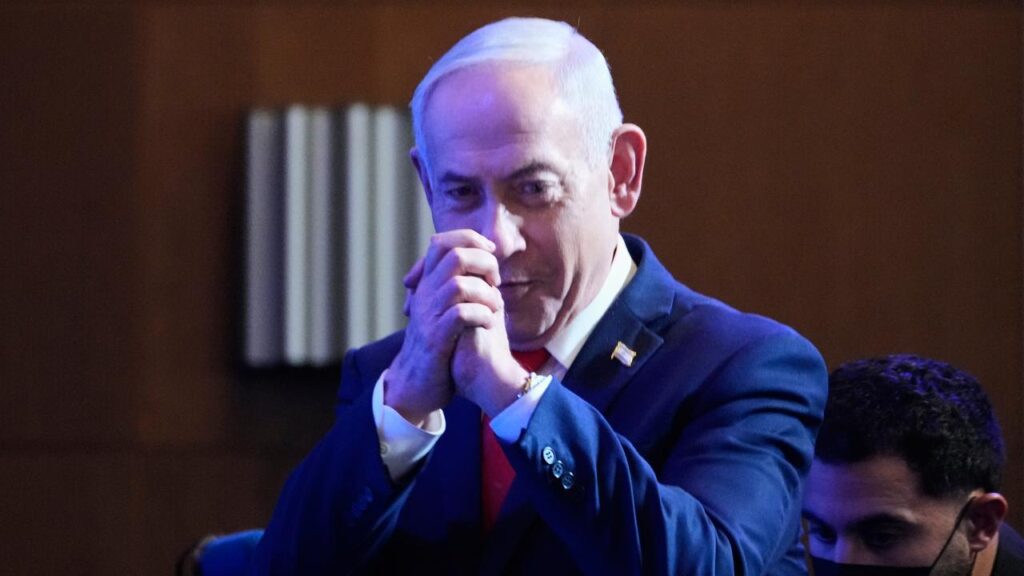
Benjamin Netanyahu’s party has amplified unsubstantiated allegations that Arab-led parties had “stolen” the election as final results showed his bloc had lost its majority in parliament.
The opposition accused the Israeli prime minister of demonising the Arab population after a historic election showing by Arab-led parties.
Results released by election officials on Thursday showed Netanyahu’s bloc winning 53 seats in the 120-member assembly, well below the 68 seats it had controlled at its peak in the previous parliament. His main opposition won 48 seats and Arab-led parties secured the other 19.
Netanyahu’s party, Likud, has spread claims of misconduct by Arab-led parties since exit polls indicated the Israeli prime minister had suffered a setback in Tuesday’s vote.

But it ramped up the rhetoric after the head of Israel’s election committee, Supreme Court Justice Noam Sohlberg, said “serious suspicions” of foreign interference had been brought before him.
In a letter to the Shin Bet security agency, Sohlberg said he could not verify the claims. But given their serious nature, he asked the agency to investigate.
Netanyahu’s party responded with an inflammatory statement: “The elections in Israel have been stolen!” it said.
Likud claimed – without evidence – the alleged election interference was “aimed at facilitating a foreign takeover of the Knesset, the Islamisation of Israel and toppling of the right wing government.”
Israeli media reported members of Netanyahu’s party were accusing Qatar – a country that many Israelis view as a patron of Hamas, the Gaza-based militant group.

Qatar issued a quick denial, calling the allegations “ridiculous and dangerous.”
As it announced its results, the election commission said the investigation was based on classified intelligence.
It did not elaborate but warned of “unfounded” reports surrounding the probe.
“It does not affect the final results that will be submitted to the president, nor does it concern any particular sector of the population,” it said.
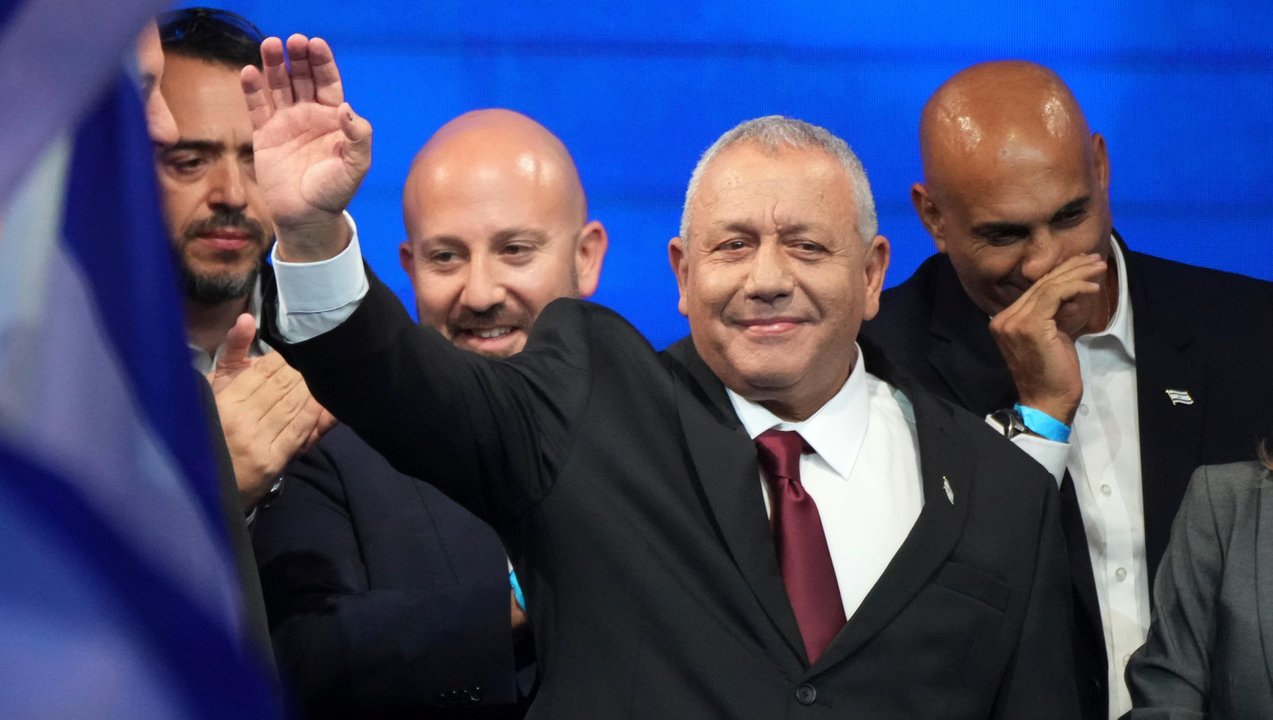
Netanyahu’s main rival, former military chief Gadi Eisenkot, said Likud was trying to delegitimise the results.
“They are doing this because they lost,” he said.
Eisenkot ridiculed the accusation of foreign interference with a tongue-in-cheek statement, saying: “I welcome the fact that Netanyahu is finally condemning Qatari involvement in the State of Israel.”
Netanyahu has long faced accusations that former top aides of his accepted money from Qatar.
By casting doubt on the vote, Netanyahu appeared to be positioning himself to block any potential alliance between his opponents and the Arab parties. Netanyahu has suggested that it would be treasonous for Eisenkot to join with Arab parties.
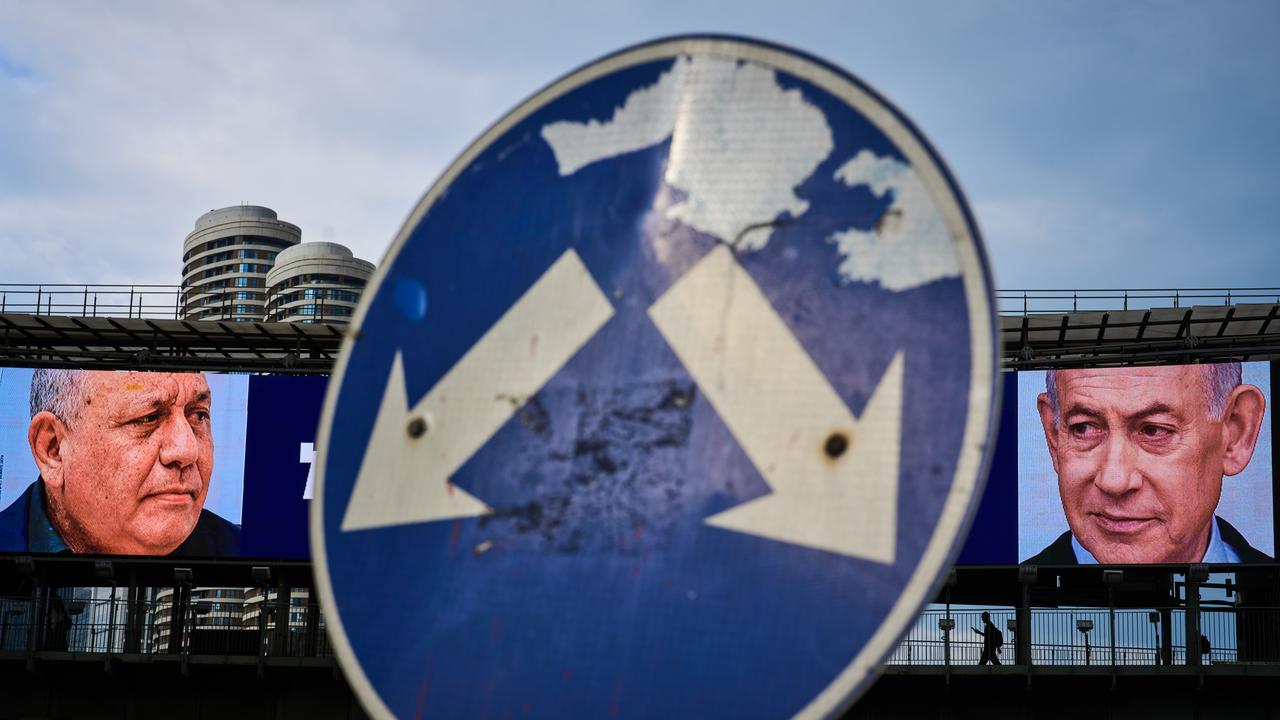
The projected outcome of the results was expected to show both Netanyahu’s bloc of religious and nationalist allies and his more secular and socially liberal opponents falling short of a parliamentary majority required to form a new government. The Arab parties would hold the remaining seats and could potentially give Eisenkot the backing he needs to oust Netanyahu.
The Shin Bet, seeking to calm tensions, said its investigation was not meant to “cast aspersions” on an entire section of the population that “exercised its right to vote in a democratic and lawful manner.”
The elections committee also sounded a note of caution, saying even though an investigation was taking place, “allegations of systematic violations of electoral integrity are baseless.”
The committee wants findings from the Shin Bet within the week. Israeli law requires election results to be certified by November 4.
AP
DPA