Nepal toll tops 1100 as search for missing continues
Shristi Kafle |
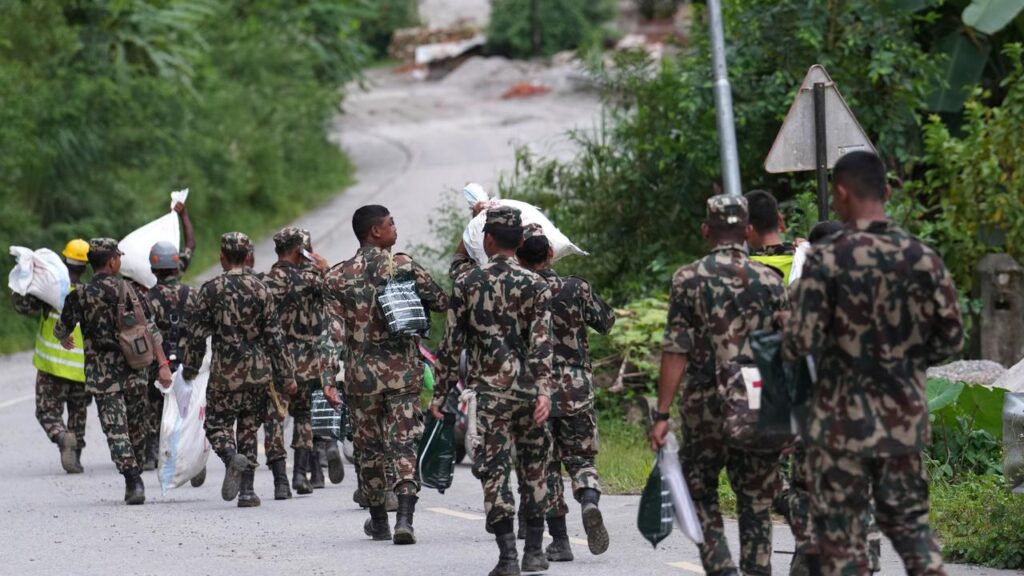
Some tourists previously reported missing in Nepal have made contact with authorities as search efforts continued following catastrophic floods that killed at least 1118 people and left more than 3900 missing.
Nepal’s Foreign Ministry said 324 foreign nationals had been rescued so far, while about 590 from 39 countries remained missing a week after the August 26 floods.
The number of Australians missing has dropped from 43 to 38, the Department of Foreign Affairs and Trade confirmed on Wednesday.
Sunil Sharma, a spokesperson for the Nepal Tourism Board, said at least five other foreign tourists who were previously reported missing had contacted authorities by email or telephone in recent days.
China separately reported 16 deaths and 546 people missing as of Sunday.
The scale of the August 26 disaster is hampering rescue efforts in both countries, with landslides, destroyed roads and widespread damage cutting off remote areas.
Crews faced challenging conditions as they searched unstable terrain and piles of debris, raising fears the death toll could rise as rescuers reach isolated communities.
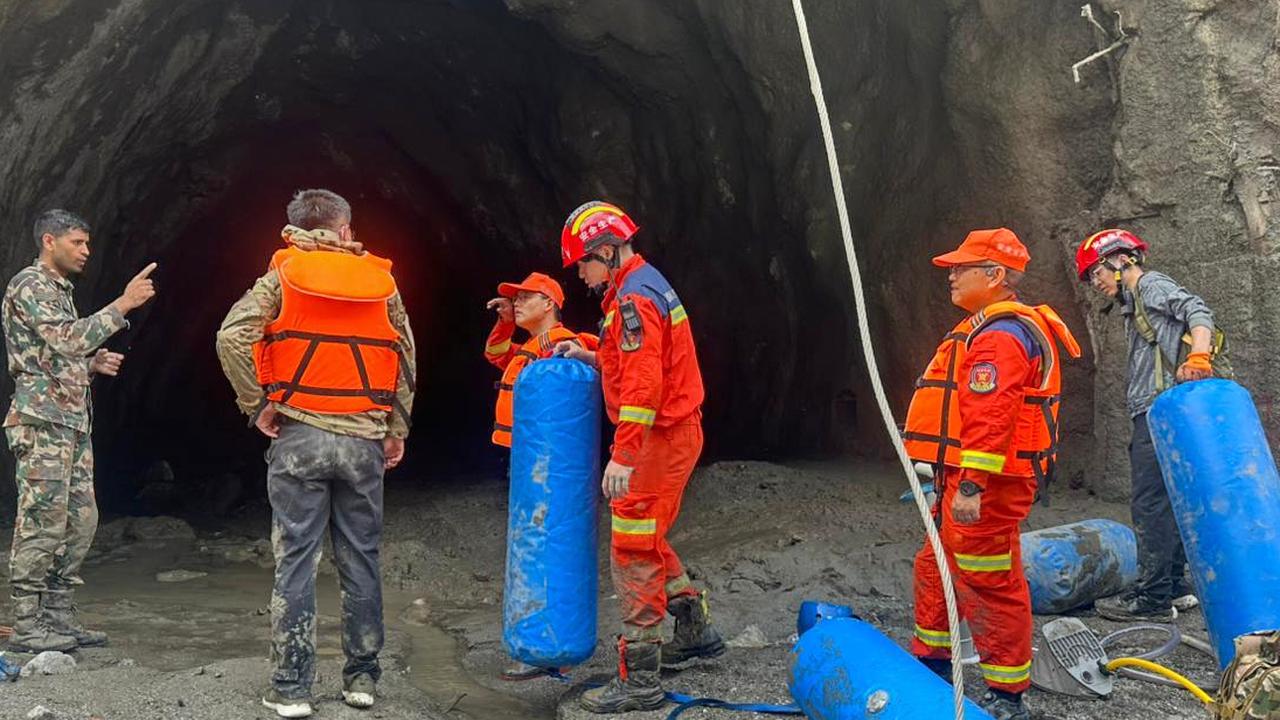
Rescuers are racing to reach hundreds of workers believed to be trapped inside tunnels at hydropower projects in Nepal damaged by the floods. About 900 workers are missing from 12 projects, with roughly 500 believed to be trapped in tunnels.
Brigider General Raja Ram Basnet, Nepal’s army spokesperson, said teams assisted by foreign experts were working at several hydropower projects.
Images released by the army showed rescue teams entering debris-filled tunnels and wading through mud and water in the search for signs of life.
On the Chinese side, rescue crews scoured areas hit by mudslides, particularly around the Gyirong Port border crossing, which was destroyed.
Some rescuers with dogs, searched gaps among rocks and debris for signs of life.
Other teams used heavy machinery to clear a major highway leading to Gyirong Port, hoping to clear the way for equipment, personnel and supplies to reach the disaster zone, according to China’s state-run Global Times newspaper.
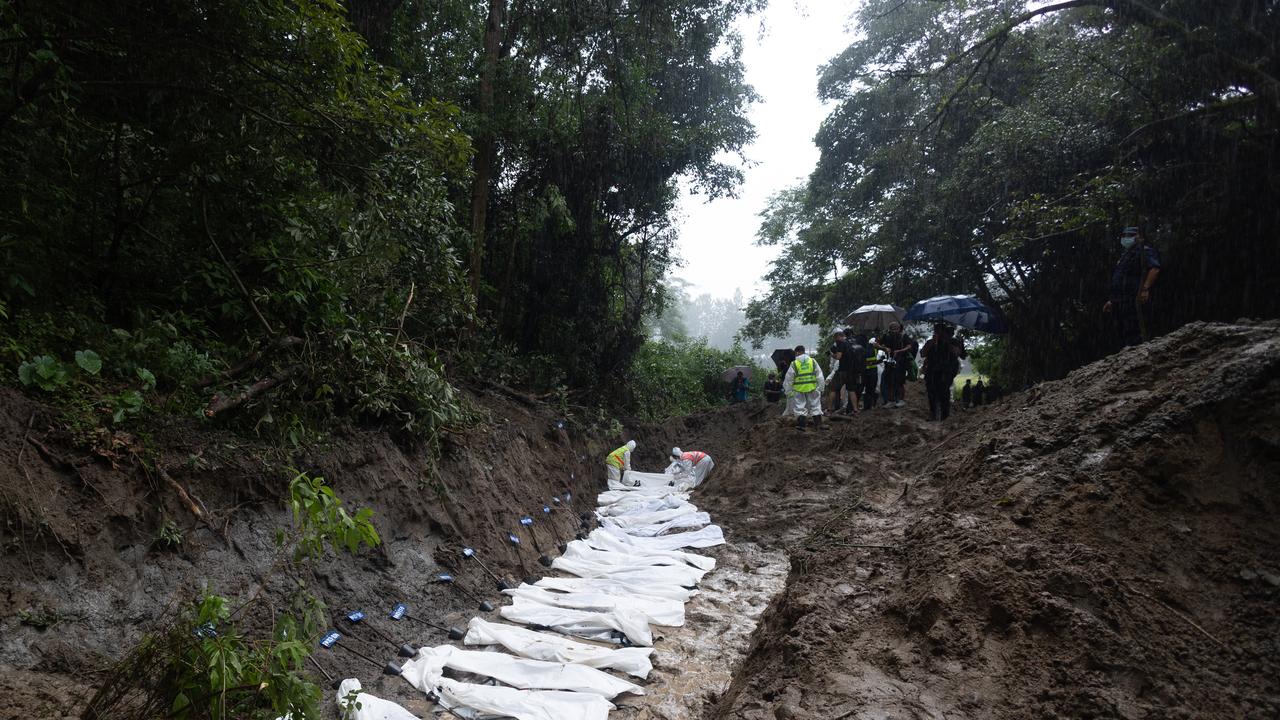
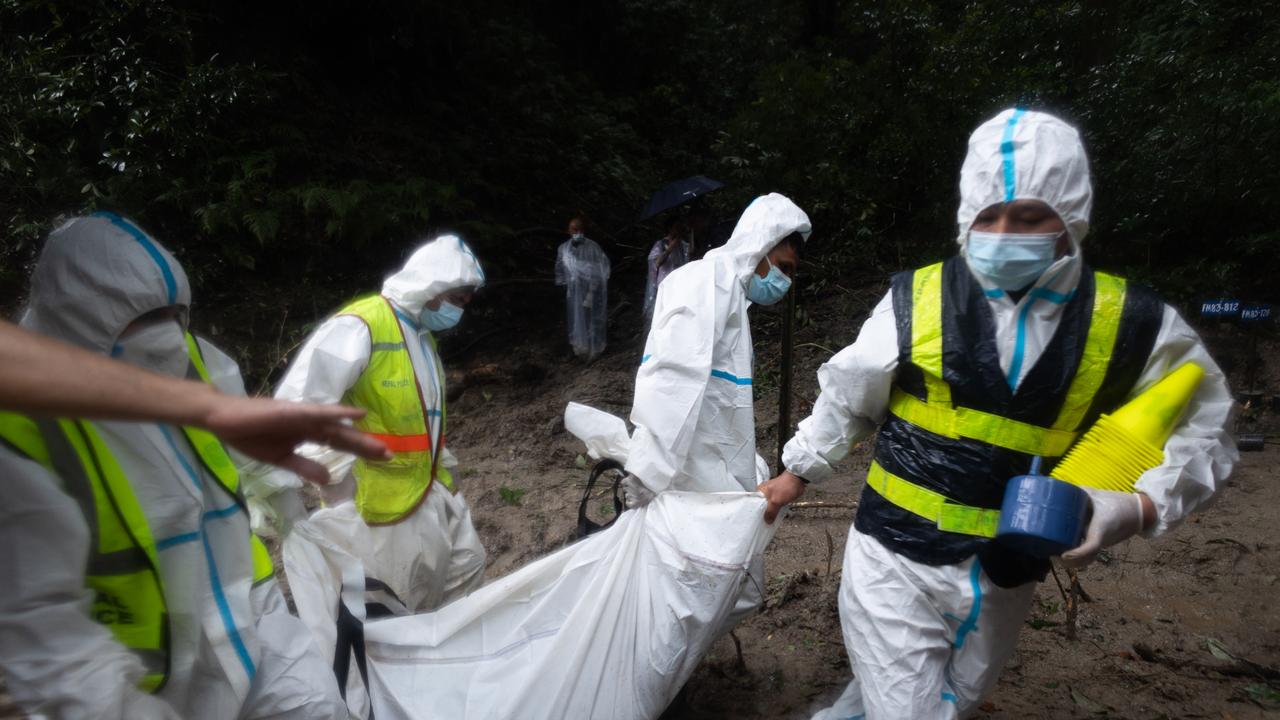
In Kathmandu, police worked in heavy rain on Tuesday to bury dozens of bodies in multiple trenches next to a forested area.
Barbed wire was erected around the site, while blue numbered markers identified the graves of people whose names were not yet known.
Authorities in Nepal have been burying bodies in temporary graves until they can be identified.
They are preserving DNA samples, photographing distinguishing facial features and recording other identifying details.
Each body is assigned a reference number to help families identify and claim the remains later.
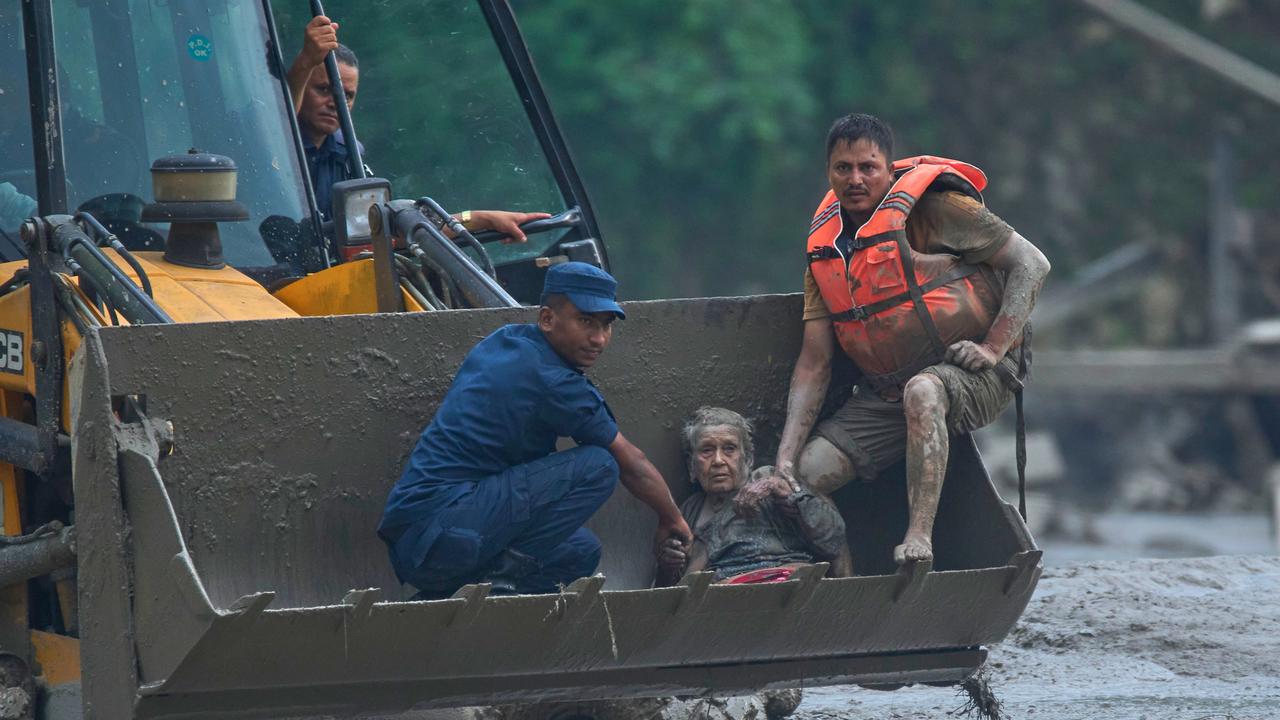
At least 11,814 people have been rescued so far, according to Nepalese authorities.
Emergency crews used helicopters and other aircraft to reach stranded communities in areas where roads and bridges have been destroyed by the flooding and landslides.
Efforts are being stepped up to provide assistance to survivors in areas where roads and other transportation routes had been damaged or cut off.
China’s Foreign Ministry spokesperson, Guo Jiakun, said a second batch of relief supplies was being sent to Nepal, including drones, DNA testing and water purification equipment. Chinese DNA testing experts will also help Nepal identity bodies, he said.
Bimal Sharma, a helicopter pilot who has been flying rescue and relief missions, said he was shocked to see the devastation in Timure, a border town close to Tibet that he has known for years.
“It felt like I was flying over an entirely different landscape,” said Sharma, adding that he has had little opportunity to speak with the people he rescued.
“I can see the pain in their eyes. It’s heartbreaking,” he said.
The disaster began in the Himalayas when a glacial collapse sent large amounts of rock, ice and meltwater into valleys below, triggering powerful floods downstream.
Scientists studying satellite imagery said the collapse appears to have involved the failure of bedrock beneath a glacier in the Himalayan region. The rockfall was powerful enough to register as a magnitude 5.2 seismic event.
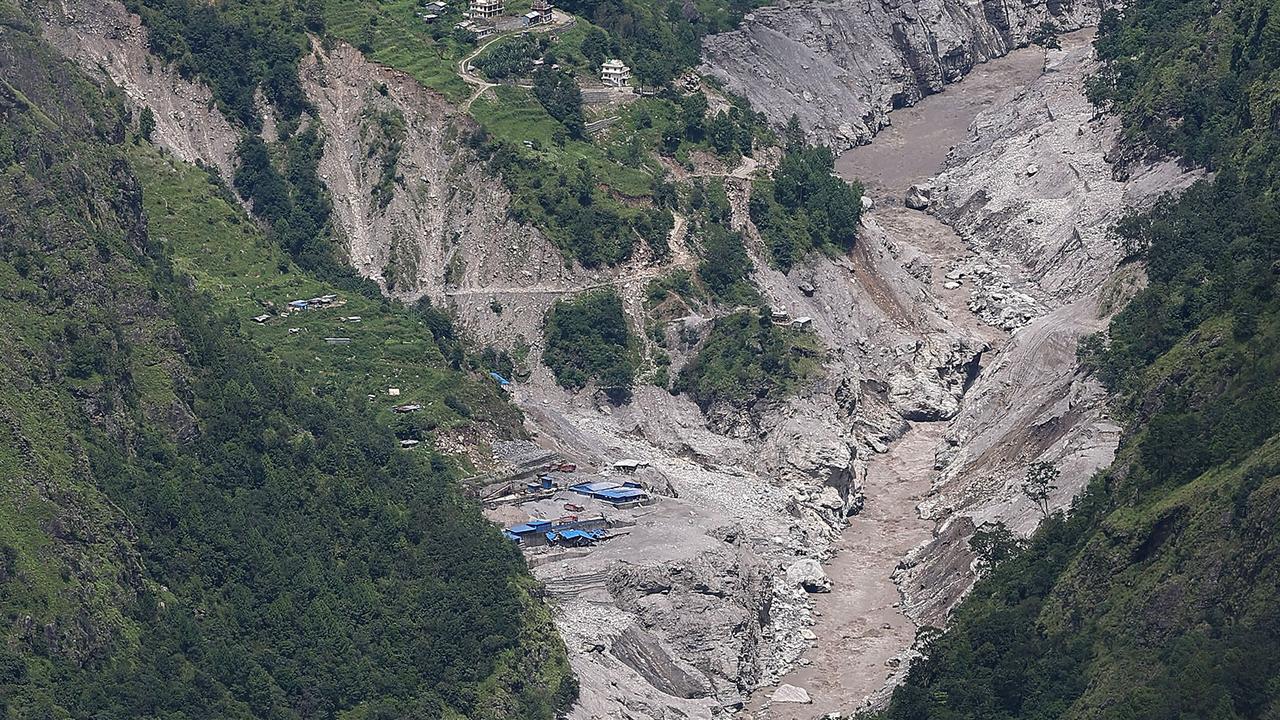
The resulting surge of water and debris entered rivers that flow through valleys in Tibet and Nepal, causing them to rise rapidly. Floodwaters swept away homes, buildings, roads and bridges and carried mud and rocks downstream.
Nepal’s Prime Minister Balendra Shah said that the disaster highlighted the need for action to combat climate change.
AP