Europe’s record heatwave linked to 1300 deaths: WHO
|
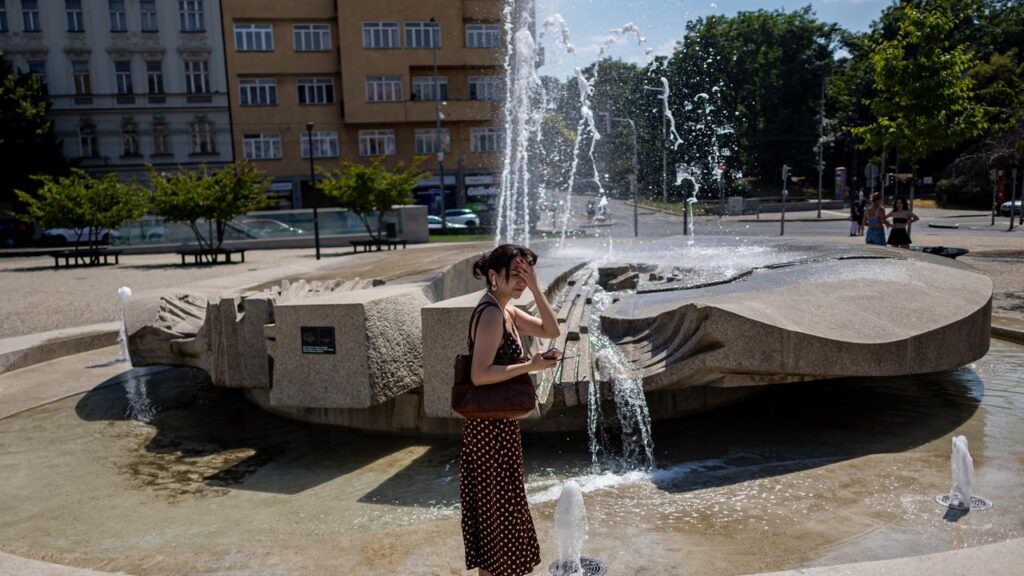
The head of the World Health Organization has warned that extreme heat may be responsible for hundreds of additional deaths across Europe.
“More than 1300 excess deaths have been recorded since 21 June linked to high temperatures in Europe,” WHO Director General Tedros Adhanom Ghebreyesus wrote on X.
“Europe is the fastest-warming continent on Earth, heating at twice the global average. Right now 150 million people are living under extreme heat, hundreds have died, schools are shut, grids are buckling,” he wrote.

“Driven by climate change and global warming, the phenomenon of the ‘once-in-a-generation’ heatwave is now occurring nearly annual. We were warned.”
Temperature records have been broken across Europe this week, including in Germany, Poland and the Czech Republic, with the mercury reaching around or above 40C.
Tedros said heat stress was often called “the silent killer” and that European homes, workplaces and schools were not built for such temperatures.
Earlier in the week, Tedros warned around 500,000 people die each year worldwide from heat-related causes, adding that many of those deaths could be prevented.
France reported 1000 excess deaths during the record-breaking heatwave.
The French public health agency said most of the heat-related fatalities involved older people and warned the number was expected to rise as more details became available about deaths in residential care and private homes.
Scientists have said the heatwave, which began on June 20, was the worst recorded in Europe, and the blistering conditions have disrupted power generation, damaged infrastructure and overwhelmed healthcare systems.
At least 15 people had died in swimming accidents across Germany since Friday, according to police reports, as a heatwave sent many people to lakes, rivers and outdoor pools to cool off.
Germany has been gripped by extreme heat for several days, with temperatures reaching around or above 40C in some areas. The heat has been especially taxing because temperatures in many places have remained high overnight.
Train services were reduced on a major rail line in the western state of North Rhine-Westphalia and trams were suspended in the eastern city of Leipzig.
Many people hunkered down at home, reluctant to go outside until the sun went down, local media reported.
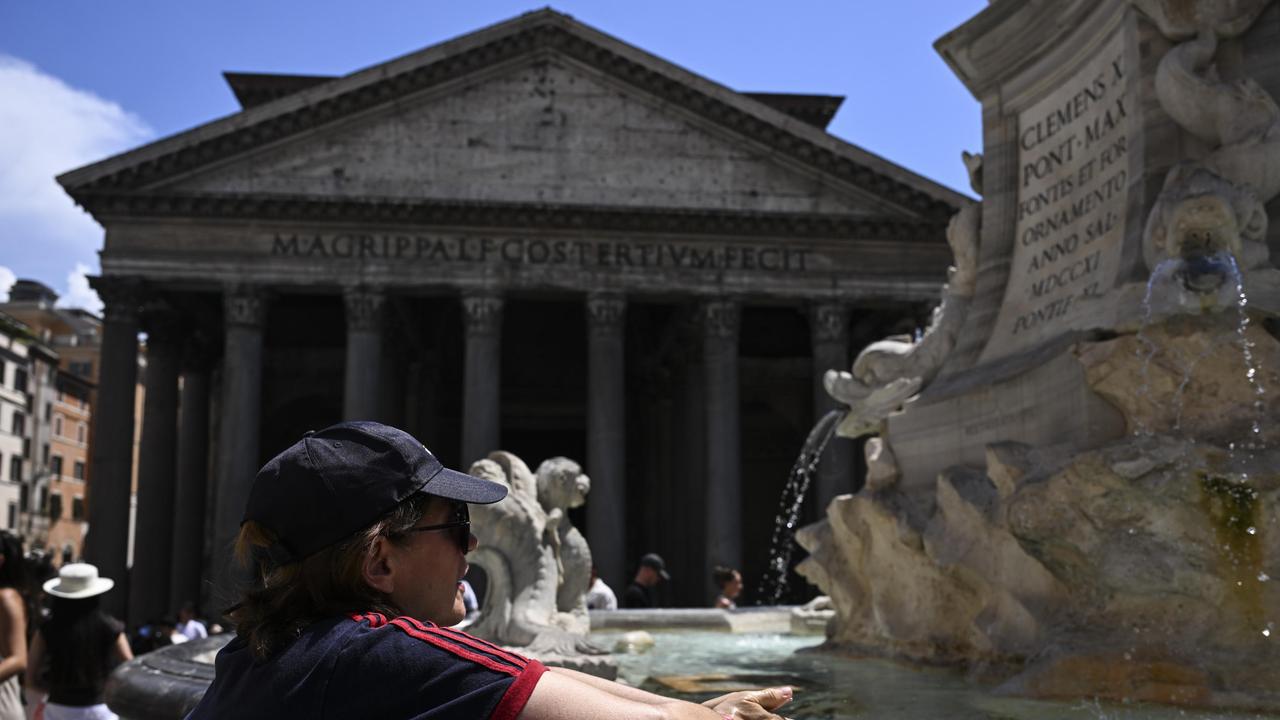
In Rome, Pope Leo thanked worshippers for attending Sunday’s prayer in Saint Peter’s Square despite the sweltering conditions.
The extreme heat has also affected Europe’s rivers, depleting and warming their waters, and causing problems for electricity generation and agriculture.
Hungary’s Paks nuclear power plant reduced output again on Sunday due to the high temperature of the Danube River that it uses as a coolant, the government said.
In Italy, the flow of the Po has dwindled, allowing seawater to advance as far as 18km inland and raising fears for agriculture and protected wetlands in the river delta.
Dozens of people seeking relief from the heat are reported to have drowned.
In Italy, rescuers were searching for the husband of cabinet minister Eugenia Roccella, who went missing on Saturday while swimming in Lake Vico, 70km from the capital Rome.
Thunderstorms could hit parts of France, Germany and the Czech Republic over the next day or two, with cooler weather forecast in much of western Europe this week as the heatwave moves deeper into central Europe and the Balkans, meteorologists say.
with dpa
DPA