NZ shuns ‘sugar hits’ in budget, cuts growth forecast
Lucy Craymer and Stella Qiu |
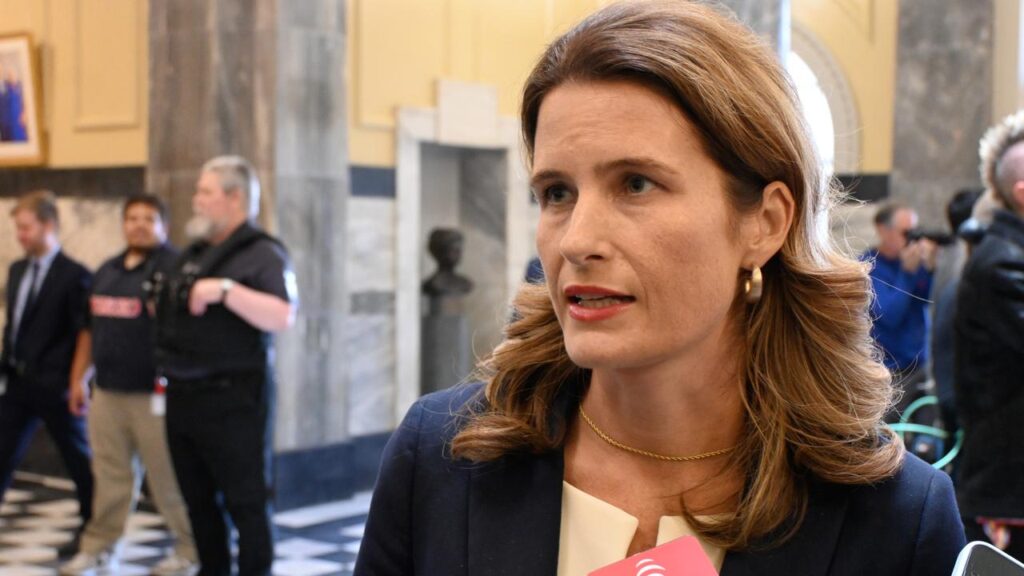
New Zealand has unveiled a budget with few voter incentives ahead of what is shaping up to be a tightly contested election, as policymakers focus on preserving fiscal firepower amid rising risks linked to the Iran conflict.
“This budget takes careful steps to support New Zealanders now while strengthening the economy for the years ahead,” New Zealand Finance Minister Nicola Willis said in a statement as she warned the Middle East war was stoking inflation and slowing recovery in the trade-dependent economy.
Willis vowed to boost capital spending on defence, schools and hospitals while dismissing the need for “sugar hits” as she kept a tight grip on new operating spending, flagging deeper cuts across the public service that could put thousands of jobs on the line.
The government forecast a budget deficit of NZ$15.06 billion ($A12.44 billion) for the fiscal year ending June 30, 2026, narrower than a deficit of NZ$16.93 billion ($A13.99 billion) in its half-year update in December.
Willis said policymakers are focused on getting the books back into surplus and are now forecasting a return to surplus in 2029/30, compared to a small deficit projected previously.
“This is an unexpectedly positive budget, I think, from the perspective of the fiscal outlook,” said Westpac chief economist Kelly Eckhold.
“There’s probably downside risks, I think, to the assumption about just how tax rich the outlook is,” he added, noting that tax income could lag forecasts due to the uncertain geopolitical environment.
S&P Global Ratings warned of pressure on New Zealand’s credit ratings given the economy’s exposure to the Iran conflict.
“Downside risks could see the country’s wealth gap and fiscal deficits widen compared with other advanced, highly rated sovereigns. If sustained, this could exert downward pressure on the sovereign rating,” it said in a statement.
The challenges are stark, with the Iran war boxing policymakers into a corner.
Global shocks have soured the outlook since Treasury’s last forecasts in December, fuel prices have reignited inflation above the central bank’s 1–3 per cent target, and growth is expected to soften, crimping tax revenues.
When the government called the election in January for November 7, it had expected the economy to be on a path of sustained growth, inflation around two per cent and falling unemployment.
However, that has not panned out. Treasury now sees gross domestic product rising 2.3 per cent in the year ending June 30, 2027, well below forecast growth of 3.4 per cent at the December update.
The Reserve Bank of New Zealand held the official cash rate at 2.25 per cent in a tight vote on Wednesday but flagged hikes were imminent to counter the energy shock, forecasting softer economic growth and higher-for-longer unemployment.
The Kiwi dollar slipped 0.2 per cent to $0.5892, while government bond yields came off earlier highs.
Willis said in her budget speech on Thursday that some will push for “band-aids and sugar hits” in an election year, but the government chose a “responsible and durable approach”.

The opposition Labour party slammed the budget as failing those hit by rising costs and unemployment.
“National is holding New Zealand back,” said Barbara Edmonds, Labour’s finance spokesperson.
Treasury now expects inflation to be tracking at 4.0 per cent in the current financial year before slowing to 1.6 per cent next year.
It announced plans to reduce bond issuance by NZ$6 billion ($A5 billion) as it pares back debt.
Many of the new initiatives came from cuts within government departments, while a scheme that paid for the final year of university for students was axed.
The government also announced plans to introduce a prudential levy on banks, non-bank deposit takers, insurers and other financial market participants that will recover about NZ$209 million ($A173 million).
Reuters