OpenAI details layered protections in US defence pact
|
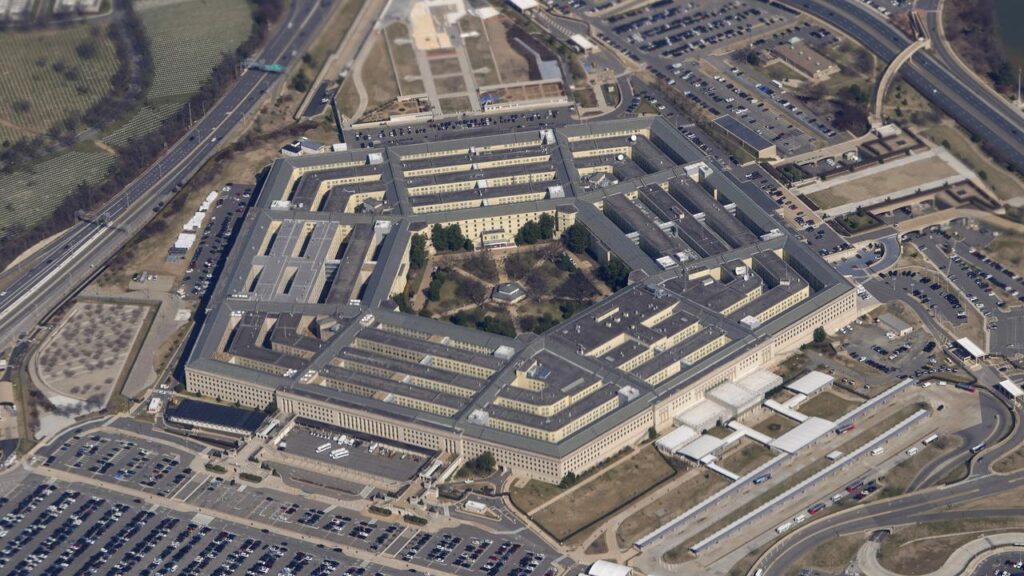
OpenAI says the agreement it struck with the Pentagon to deploy technology on the US defence department’s classified network includes additional safeguards to protect its use cases.
US President Donald Trump on Friday directed the government to stop working with Anthropic, and the Pentagon said it would declare the startup a supply-chain risk, dealing a major blow to the artificial intelligence lab after a showdown about technology guardrails.
Anthropic said it would challenge any risk designation in court.
Soon after, rival OpenAI, which is backed by Microsoft, Amazon, SoftBank and others, announced its own deal late on Friday.
“We think our agreement has more guardrails than any previous agreement for classified AI deployments, including Anthropic’s,” OpenAI said on Saturday.
The AI firm said the contract with the defence department, which the Trump administration has renamed the Department of War, enforces three red lines: OpenAI technology cannot be used for mass domestic surveillance, to direct autonomous weapons systems, or for any high-stakes automated decisions.
“In our agreement, we protect our red lines through a more expansive, multi-layered approach,” OpenAI said.
“We retain full discretion over our safety stack, we deploy via cloud, cleared OpenAI personnel are in the loop, and we have strong contractual protections.”

The Pentagon signed agreements worth up to $US200 million ($A281 million) each with major AI labs in the past year, including Anthropic, OpenAI and Google.
The Pentagon is seeking to preserve all flexibility in defence and not be limited by warnings from the technology’s creators against powering weapons with unreliable AI.
OpenAI cautioned that any breach of its contract by the US government could trigger a termination.
“We don’t expect that to happen,” it said.
The company also said rival Anthropic should not be labelled a “supply-chain risk”, noting it had made “our position on this clear to the government”.
Reuters