Joy and pain of rural life, as mums carry the load
Stephanie Gardiner |
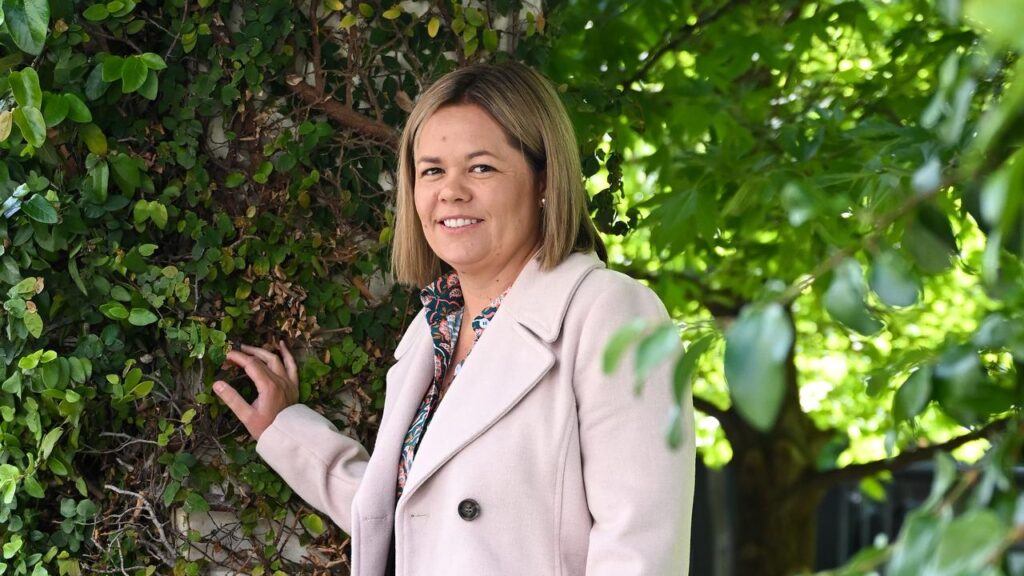
When Rhiannon Finger turned up to a small rural hospital with symptoms of early labour, a nurse looked her straight in the eye and said: “You’re not being fair to us.”
As it goes in rural towns, the nurse was a friend of Ms Finger’s.
And she was right.
The young mother was expecting her second child after her first was born prematurely via emergency caesarean.
Her second high-risk pregnancy could not be managed by a country town hospital.
“I think I was pretty broken,” Ms Finger told AAP.
“They didn’t have the capacity to birth a baby and I was a complex case.”
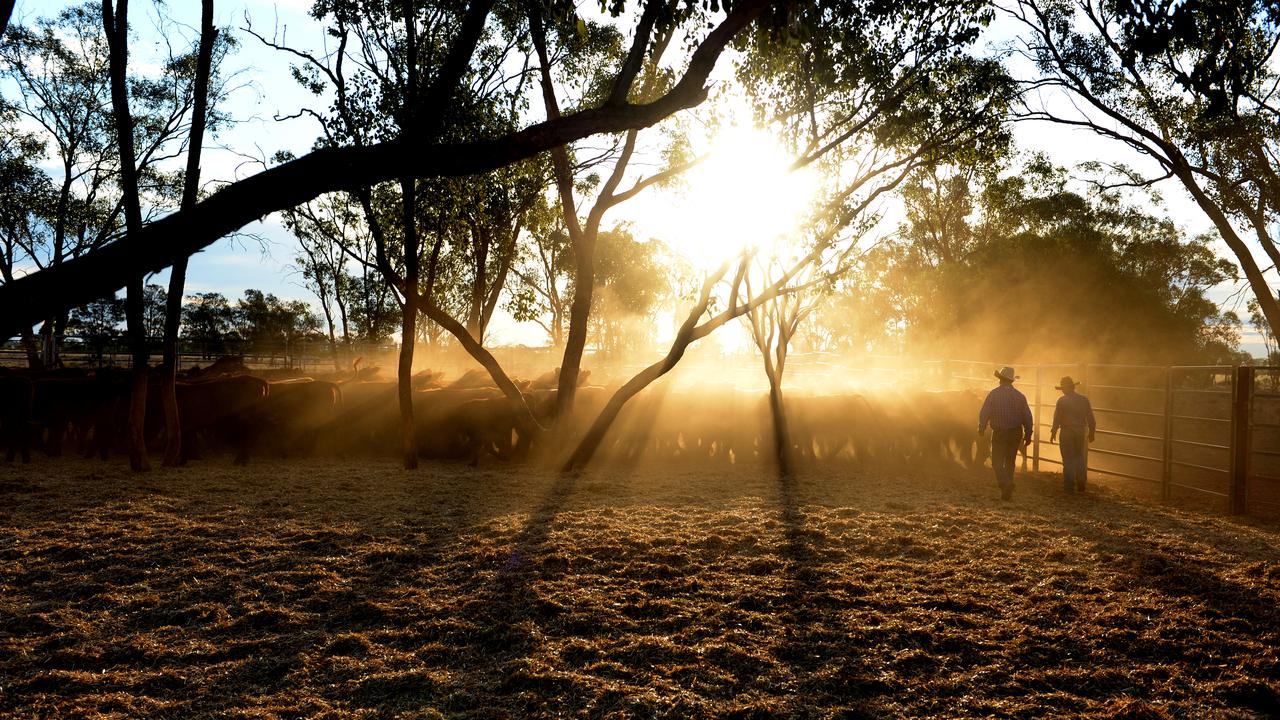
So she packed her things and moved 500km away from her family’s cattle farm near Clermont, in central Queensland, to live closer to specialist care in Townsville until her daughter Imogen was born.
Imogen’s birth came four years after her son Oscar was born at 24 weeks, weighing 770 grams, and a long period of travelling vast distances for his ongoing medical care.
After two complex births, Ms Finger fell into post-natal depression and did not initially seek help.
“I kept putting getting help on the to-do list,” she said.
“And we, as women, know the to-do list is a bit of a joke because it’s never finished.”
Ms Finger’s experience of having to travel a long way from home to have her babies and endure mental health challenges in isolation is likely a familiar story to many rural mothers.
A survey of 1068 rural women from around Australia has found one-in-three had to travel more than two hours to give birth.
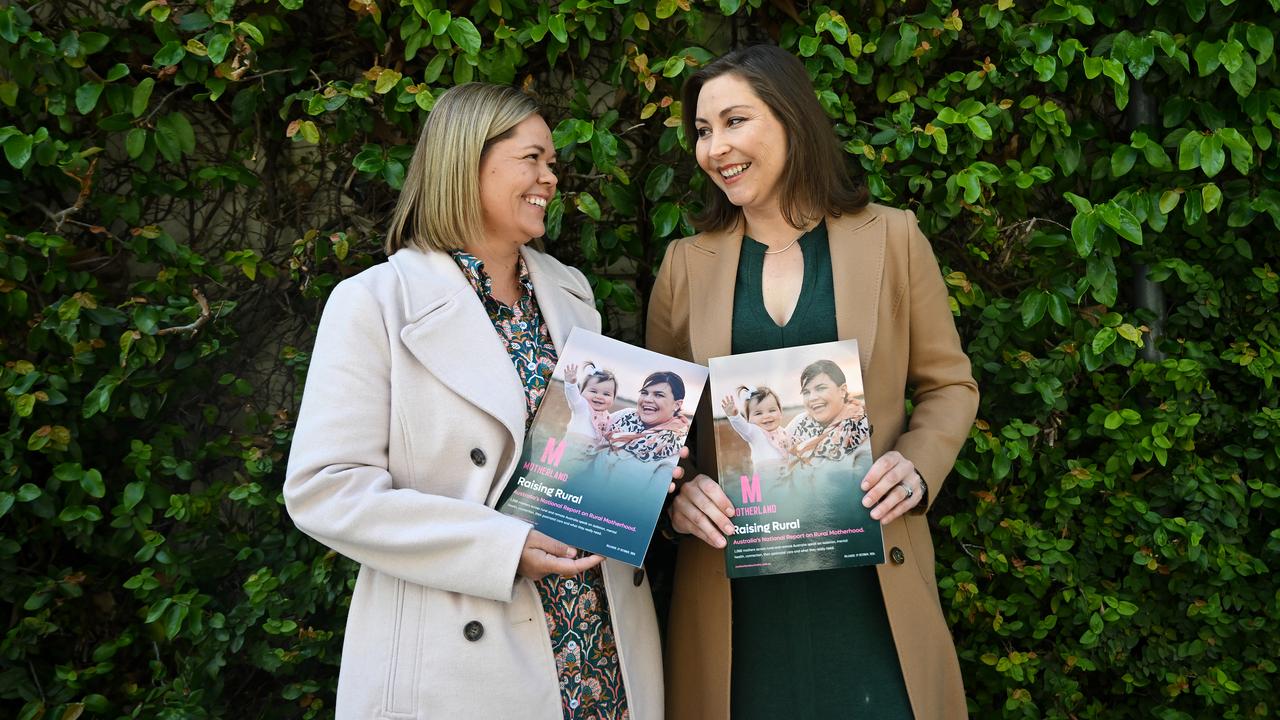
More than two-thirds had post-natal depression or anxiety, with half of those mothers never seeking professional help, according to the report by rural parenting charity Motherland.
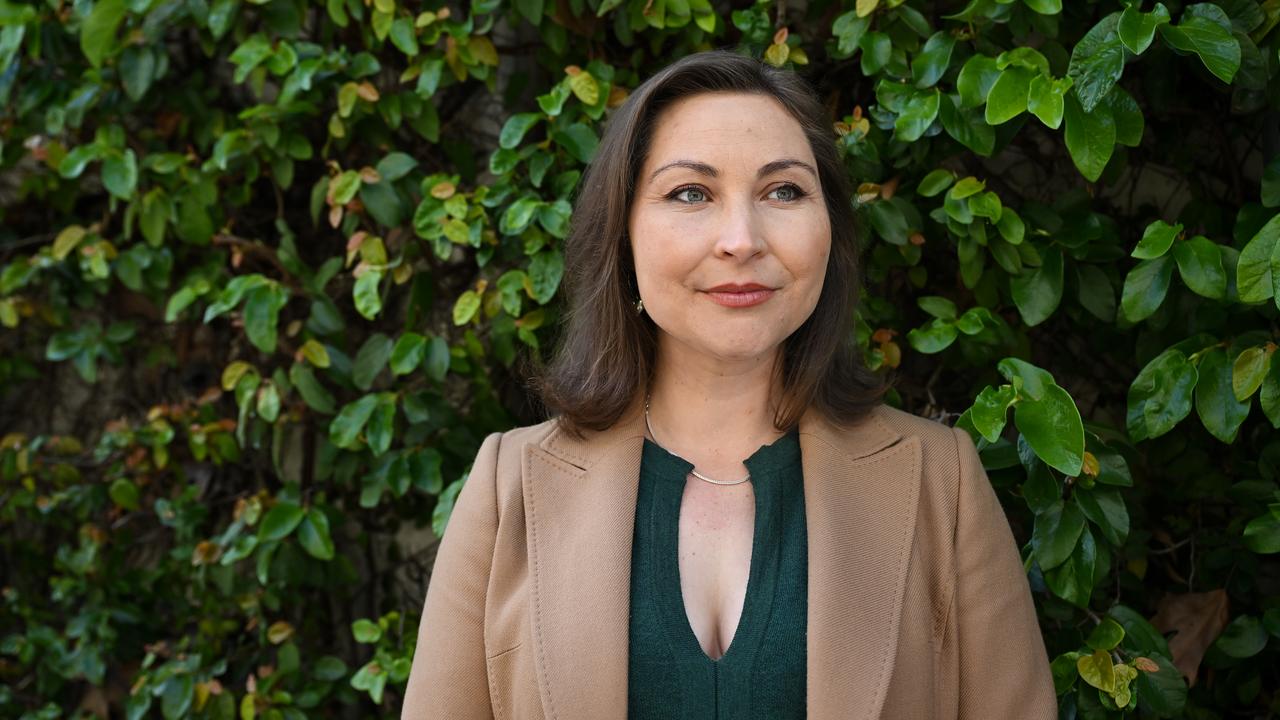
Founder Stephanie Trethewey said rural mothers were forced to do more with less.
“We are seeing reduced services in rural Australia, including maternity services,” Ms Trethewey told AAP.
“What are we doing to ensure that we improve those numbers?
“We can’t wait until there’s birth trauma because a mum couldn’t get to a hospital or there’s – God forbid – a loss of life because a mum didn’t get the mental health support she needed early.”
The report, Raising Rural, recommends restoring local health services, expanding access to childcare and better follow-ups with new mothers.
Rural women did not want to give up country life, but deserved equal care, Ms Trethewey said.
“It’s a joy to raise kids in rural Australia,” she said.
“The joy and the love is what keeps them there, but the other pain points make their life a lot harder.”
Ms Finger, now a mother of four, said revealing the unique challenges of healthcare and raising children in the bush was helping the next generation of women on the land.
“We’re living a really good life,” she said.
“We want to make sure the cracks that sometimes appear when we’re at our most vulnerable are not there forever.”
AAP