Beehive blitz may fill pollination gap as mite spreads
Luke Lay |
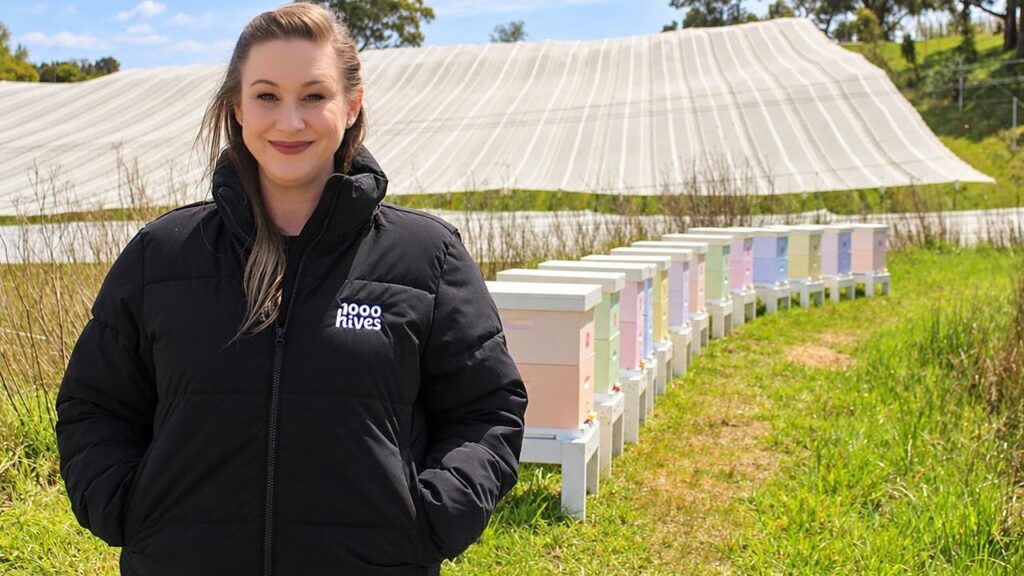
As growers prepare for a bee-killing parasite to wipe out entire populations of wild pollinators, one local is hoping to keep flowers in bloom one beehive at a time.
In South Australia’s food bowl in the Adelaide Hills, wild swarms of bees are responsible for 75 to 95 per cent of pollination.
It’s here Danielle Munn is setting off on a target to raise 1000 beehives across farms as the bee-killing Varroa mite kicks off a slow-moving biosecurity trainwreck for pollination-dependent industries.
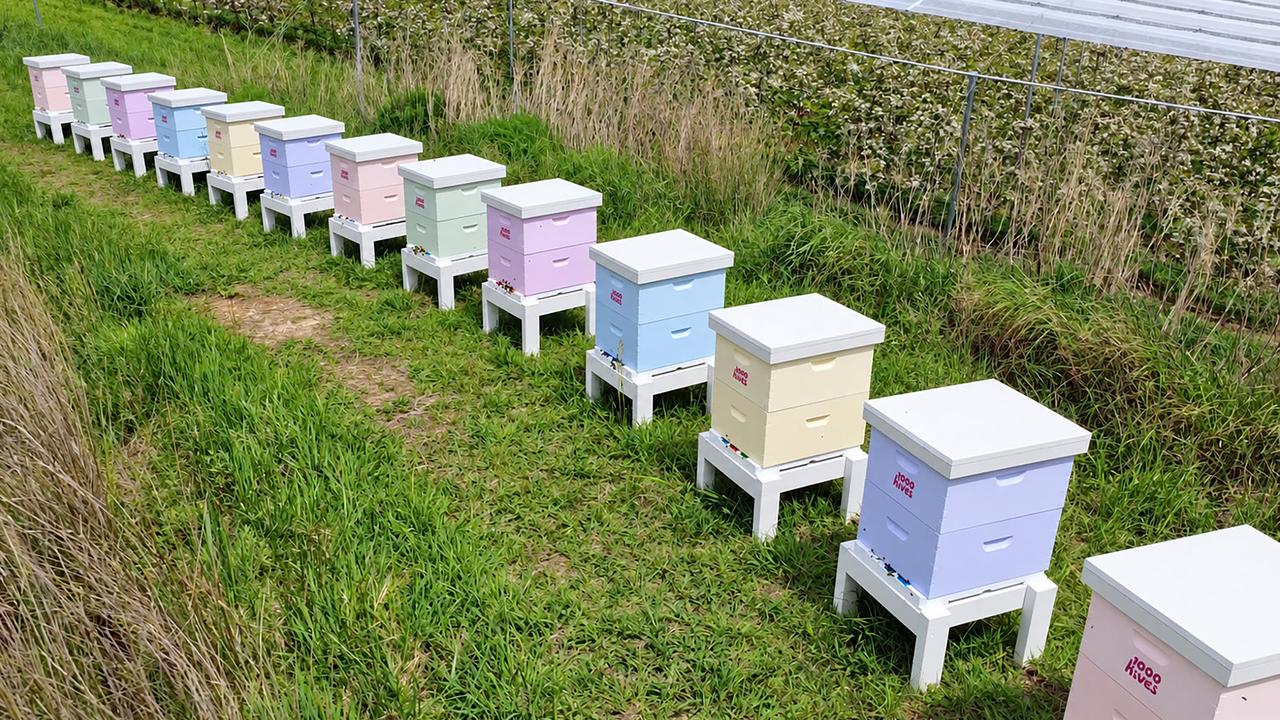
The crowd-funding initiative is designed to connect beekeepers with growers and fund permanently managed hives at no extra cost to farmers.
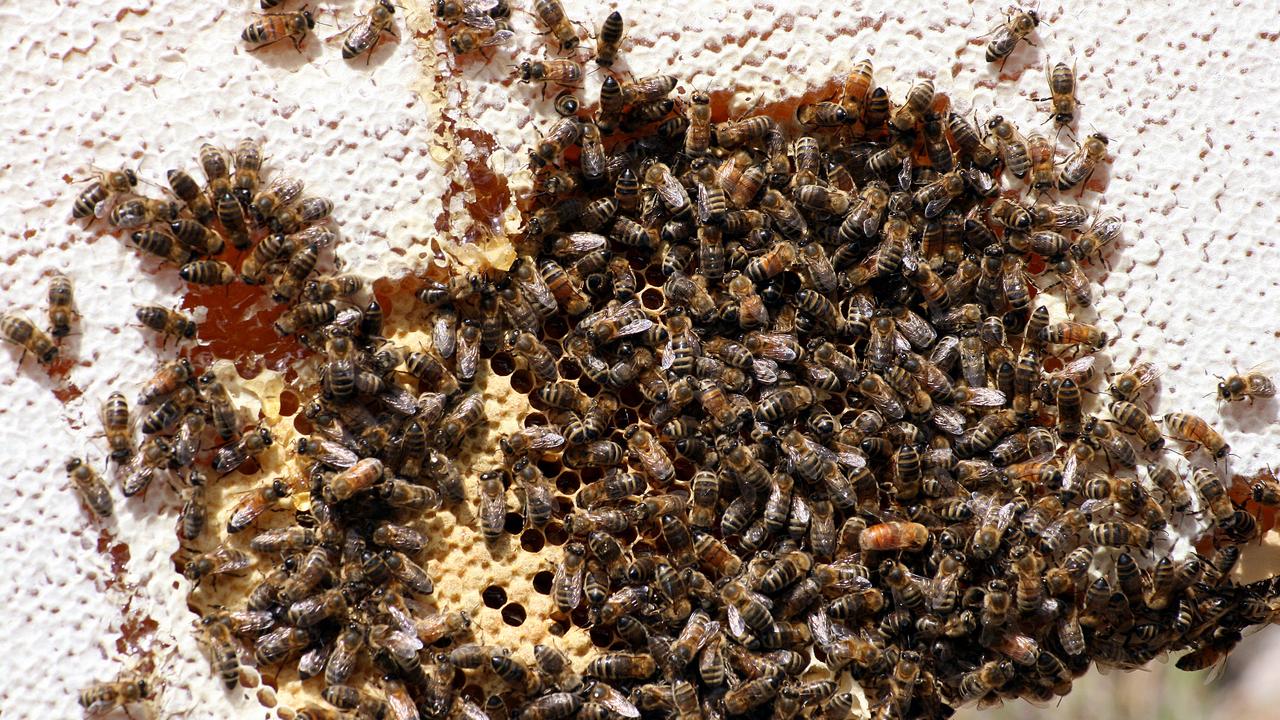
“We’re building a network on a larger scale which will allow us to keep some sort of stringent protocols in our biosecurity,” she said.
The Varroa mite is a tiny parasite that arrived in Australia in 2022 and has spread across SA, Victoria, NSW and Queensland.
As it infests hives, it feeds on honey bees and carries fatal pathogens that can wipe out entire colonies if left untreated.
Current management relies predominantly on chemical treatments but Agriculture Victoria is warning some mites are now resistant to all four permitted synthetic miticide treatments.
South Australian Apiarists’ Association president Brenton Davis estimate the Varroa mite will have a huge impact on food production in the state.
“There’s more demand for the same amount of hives,” he said.
“There will definitely be some people that leave the industry.”
A 2026 security report released by The Wheen Bee Foundation estimates the mite will cause a 60 per cent decline in commercial beehives, enough to create a shortfall of 290,000 beehives across four states during the August pollination peak.
Almond growers, who rely entirely on commercial beekeeping for pollination, have seen hive prices increase 50 per cent in the past four years.
Almond Board of Australia chief executive Tim Jackson said this was just adding to an already increasing cost of farming production.
“We need five to six hives per hectare. So if you increase that 50 per cent, that’s a lot of extra costs for three to four weeks of work a year,” he said.
“Our challenge is to get through the period where the Varroa exists within the feral hives and then will eventually wipe them out.
“So our challenge at the moment, when beekeepers are trying to manage their commercial hives and they continually get re-infested by Varroa-infested feral hives, that there is an attrition in the number of hives they can maintain.”
Mr Jackson said any support for the industry to manage the pest will ease the grower burden.
A study unveiled at the 2026 Australian Almond Conference shows how a naturally occurring fungi could infect and kill Varroa mites while remaining safe for honeybees.
Macquarie University research has found a fungal strain known as Metarhizium kills high amounts of Varroa mites in initial tests.
Researchers are now working to identify a concentration of the fungi that can effectively kill the parasite.
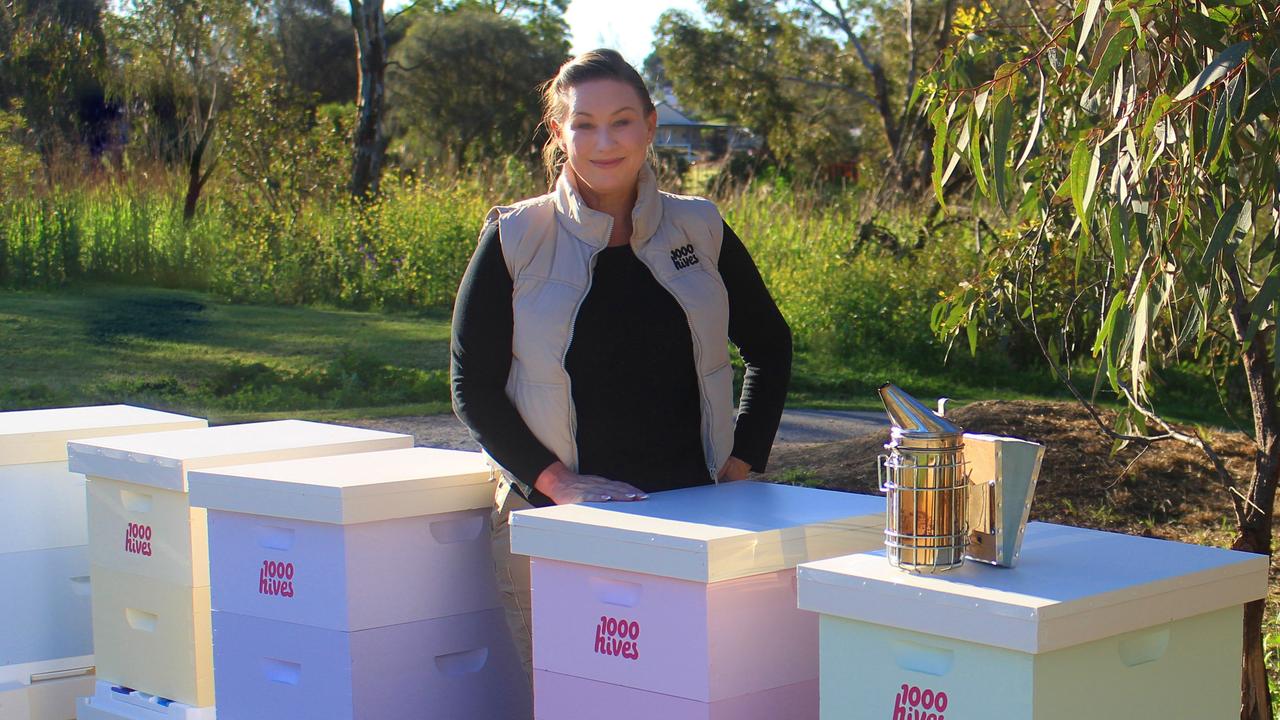
Despite a rigid biosecurity routine, Ms Munn knows there’s no way of preventing her beehives being infested.
Her 1000 Hives project has just established its first 40 beehives on an apple orchid in South Australia’s Lenswood and she’s hoping to fill hive gaps right across the country.
“We’re not there to step over other beekeepers. We just literally want to help where we can, where they can’t,” she said.
“We’re reaching out to the general public that care about the farmers, understand there’s a problem and want to support the initiative.”
AAP