Teens ‘begging’ for endometriosis support, guidelines
Emily Woods |
Seven years, nine different health practitioners, $6000 and more than 20 doctor visits.
That is what it took for Melbourne woman Konstandina Karavias to get an endometriosis diagnosis.
“I was practically begging every time I went to the GP,” she told AAP.
“Some of the things that I would be told is ‘you’re young, you’re healthy, you shouldn’t be in pain yet’.”
At 12, she suspected her heavy bleeding was not normal.
She developed an ovarian cyst the size of a tennis ball at 13, which ruptured after her GP did not let her get an ultrasound despite her pleading for the scan.
“She said, ‘You’re too young, and you’re most likely overexaggerating. You’re not used to your period’,” Ms Karavias said.
She was given Panadol or Nurofen to manage the pain, and still was not referred to a gynaecologist.
By 14, she was being told to take birth control or “consider suffering”.
“When I brought up that my endometriosis could possibly be affecting my fertility in the future, she said, ‘don’t think about that now – you’re most likely infertile anyway,” she said.
In June this year, now aged 19, Ms Karavias was finally referred to a gynaecologist and had surgery after an ultrasound revealed she had immobile ovaries which adhered to her uterus.
She attributes delays in her diagnosis to ageism and a lack of understanding on endometriosis from health professionals.
“There needs to be more training for GPs, nurses, gynaecologists, literally every single healthcare provider,” she said.
A University of Queensland study, released on Wednesday evening, found one quarter of global endometriosis guidelines were not informed by adolescents, despite symptoms and diagnostic delays beginning in teenage years.
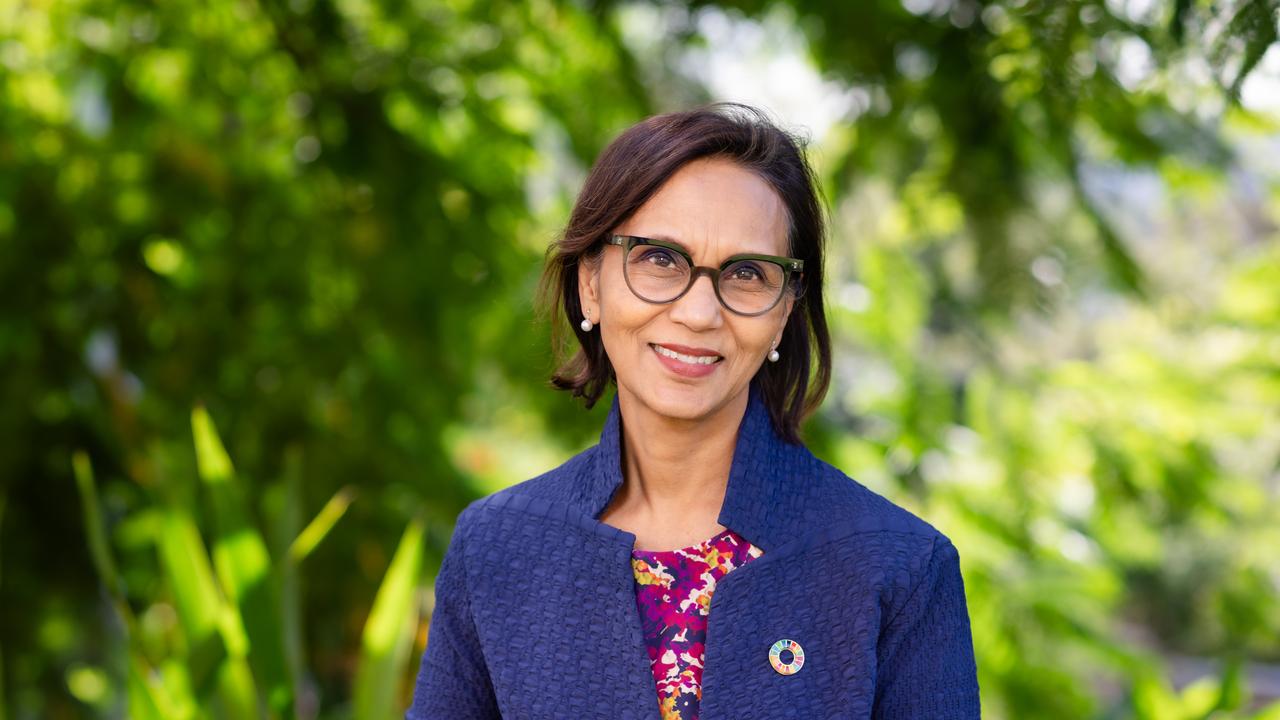
“We know symptoms of endometriosis begin in adolescence, and yet they were not on the table informing the guidelines,” Professor Gita Mishra said.
“If we’re thinking about reducing the time for diagnosis, we really have to listen to the young people. The system has let a lot of young people down.”
The study analysed 47 guidelines on endometriosis internationally, and found substantial gaps in African and Eastern Mediterranean countries.
“As far as Australia is concerned, we’re leading the way,” Prof Mishra said, noting it was the first to implement a National Action Plan in 2018.
“That’s not to say that we’ve fixed the problem.”
Seventy per cent of the reviewed existing guidelines were not informed by people with lived experience of endometriosis, the study found.
One in five of the guidelines involved gender-diverse or non-binary people, which she said highlighted a “huge gap in inclusive care”.
Prof Mishra was surprised to discover GPs and primary health physicians were not involved in developing 51 per cent of the guidelines.
The research calls for the development of standardised international guidelines by the World Health Organisation on endometriosis, informed by patients, to ensure consistency in diagnosis, treatment and care.
AAP