Wider spread fears as bird flu emerges in third state
Melissa Meehan and Duncan Murray |
A deadly strain of avian flu has emerged in NSW just weeks after it was first detected in Australia, highlighting the major challenge facing authorities in preventing widespread outbreaks.
The H5N1 bird flu was detected in preliminary testing in a migratory bird at Hawks Nest, on the NSW Mid-North Coast, authorities revealed on Friday.
More substantial testing is expected to confirm the case over the weekend, but authorities say the detection of the virus is not a surprise.
Five cases of the strain have been confirmed in seabirds in Western Australia and South Australia, along with another suspected case detected on Friday in a migratory bird in the northern Perth suburb of Mullaloo.
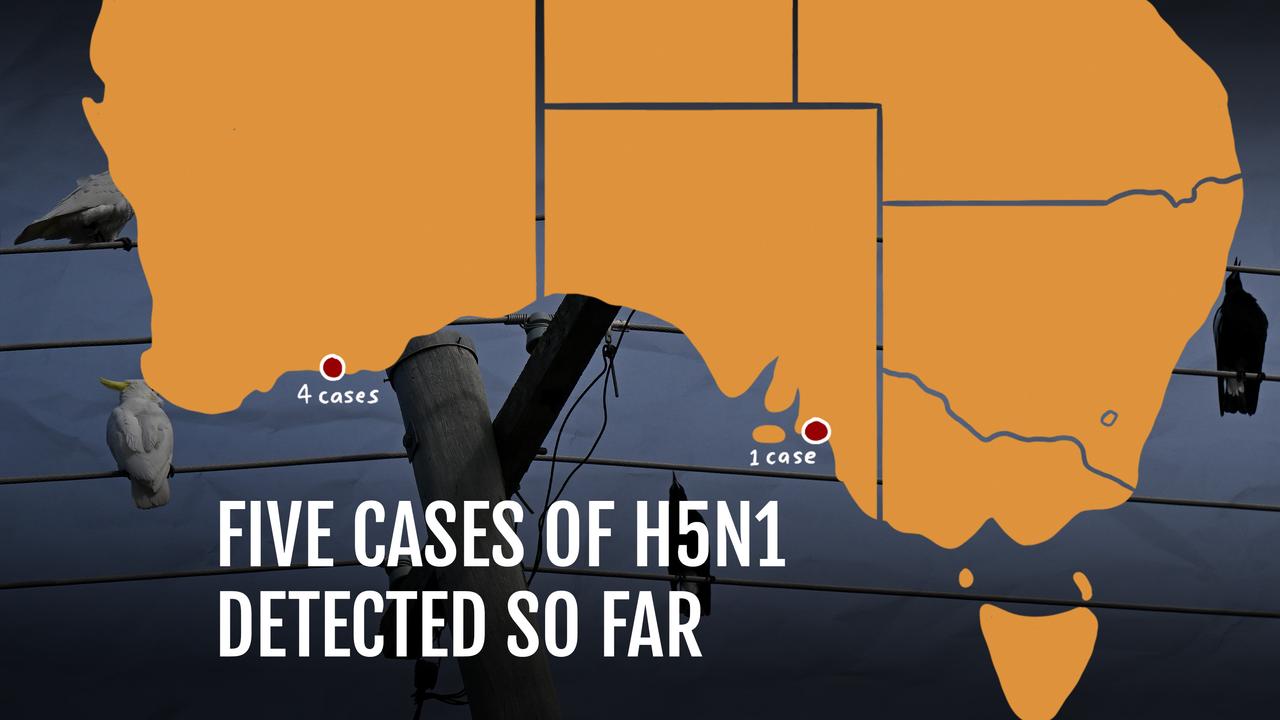
Surveillance and testing have been ramped up across NSW with the government working closely with industry to prevent a potentially catastrophic spread.
While the virus could be deadly for animals, the risk to humans is generally considered low in terms of transmission and health impact, the state’s chief veterinary officer Jo Coombe told reporters.
Dr Coombe described the symptoms of the virus in humans as being similar to a common cold, adding there had been no recorded cases of human-to-human transmission.
But there had been a high number of deaths in wildlife and agricultural populations where the disease had run rampant in other countries, she said.
“There have been hundreds of species of birds affected and also over 50 species of mammals,” she said.
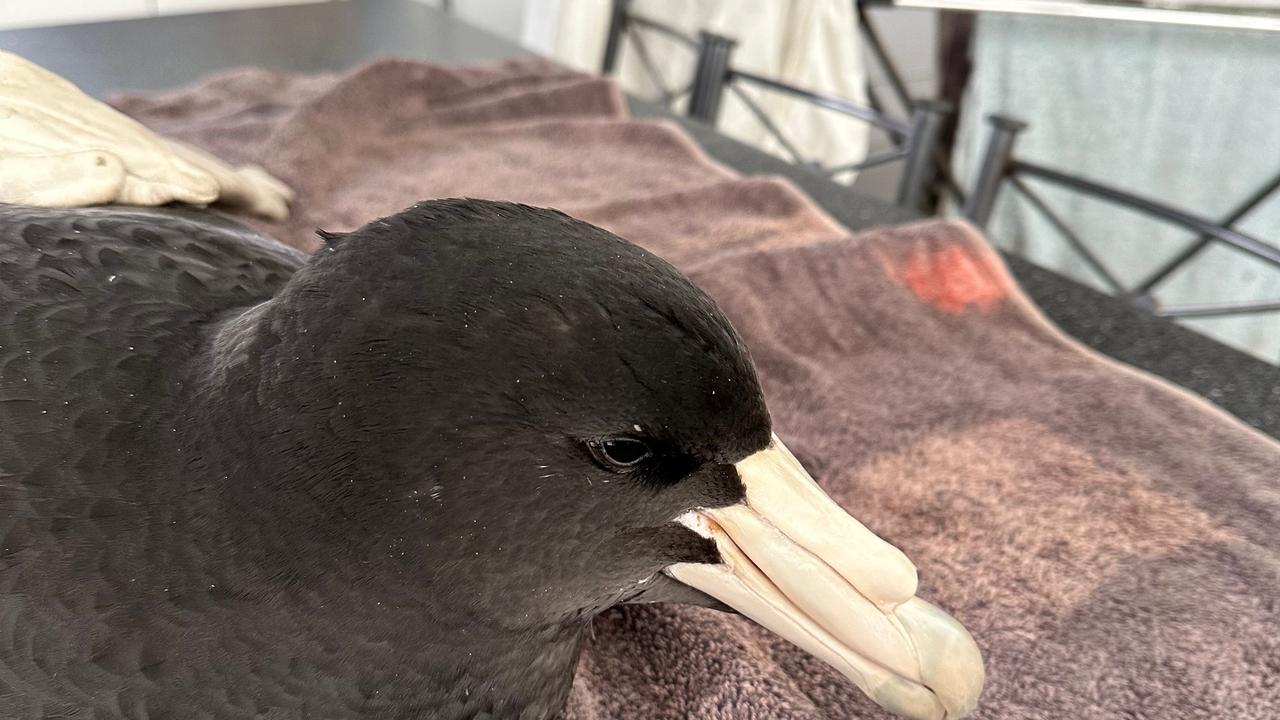
Samples from a giant petrel near Hawks Nest, a town about 228km north of Sydney, tested positive for H5N1 influenza in preliminary testing after a member of the public reported the animal as looking unwell.
The positive case detected in Perth was also a giant petrel and has prompted greater surveillance along coastal areas of WA.
Dr Coombe said the species generally migrated north from the Southern Ocean and didn’t make landfall unless they were sick or injured.
There are no reports of the poultry industry or local wildlife populations being impacted in any of the states that have reported detections.
“I do want to be clear with the community, this is one bird, a wild migratory bird that has been found,” NSW Agriculture Minister Tara Moriarty said.

“The government is working very closely with the poultry industry, and we have been for some time – they are ready for whatever scenario might emerge.
“There’s no need for panic buying eggs – keep buying eggs, keep buying chicken.”
Surveillance by wildlife agencies is also being ramped up to help detect any further cases.
“We are using the best available data now to target actions for our most at-risk wildlife species and important natural places,” Dr Coombe said.
It comes weeks after Australia’s first detection was confirmed on the other side of the nation, highlighting the challenge facing authorities.
“Now that we’re seeing that in three states, it shows that we’re going to really struggle to contain this,” Mater Health Services director of infectious diseases Paul Griffin told AAP.
“It highlights how we have to remain vigilant and make sure that we protect the poultry industry and other bird populations, so that it doesn’t spread further.”
Until June, Australia had been the only continent free of the highly contagious virus, which has wiped out millions of birds worldwide and also killed mammals.
The strain was first detected on the Australian mainland on June 14 in a brown skua found in Esperance, on WA’s south coast.
People are being urged to avoid contact with sick or dead wildlife, report any finds to an emergency hotline, record locations and take photos.
AAP