Cane toad’s removal a ‘huge relief’ for southern state
Lloyd Jones |
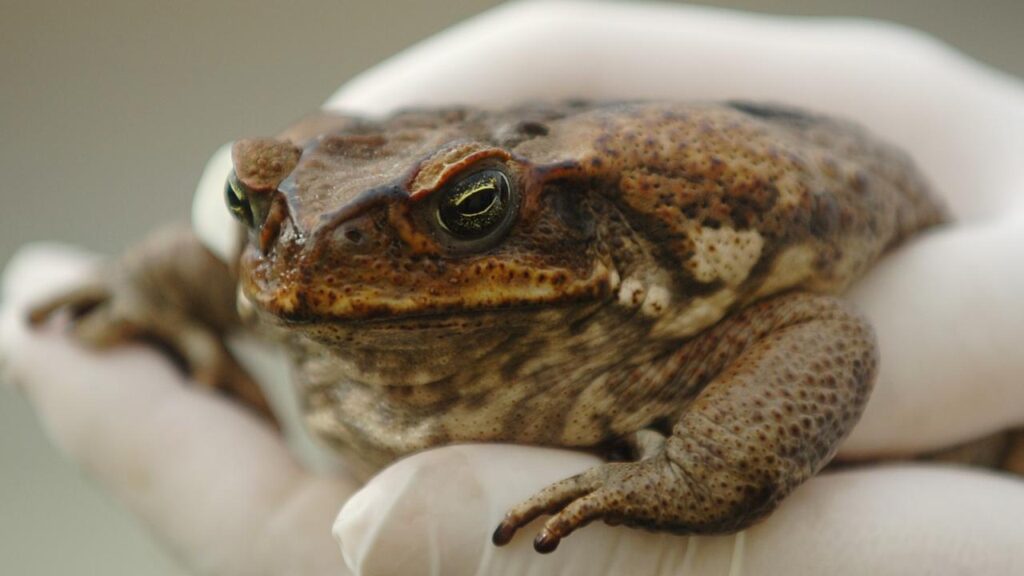
A border-hopping cane toad has been found amid an intensive search after sparking biosecurity fears in a state.
The warty amphibian was seen near Grange Wetlands in Adelaide’s west last week, prompting night searches of the area.
It was finally found and removed overnight, Primary Industries Minister Clare Scriven said on Friday, calling it a “huge relief”.
The invasive pest is well established in many parts of Australia but is not known to have established wild populations in South Australia, though small numbers of toads are detected each year.
A cane toad found near a SA caravan park in Whyalla in October was believed to have latched onto a vehicle from the Northern Territory.
The latest toad scares prompted calls from the SA government for motorists to check their vehicles, caravans and luggage for unwanted hitchhikers when travelling into the state, and to report sightings.
The odd toad that does make it to SA typically arrives from the NT and Queensland, and occasionally from Bali and Fiji, the SA government said.
Cane toads produce toxins that can be fatal to animals that attempt to eat them, including pets and native wildlife.

“It’s a huge relief that a cane toad spotted at Grange has been found and removed, because the last thing we want is this destructive pest becoming established in South Australia,” Ms Scriven said.
“These recent detections in Grange and Whyalla are a reminder to the public to take care when travelling into our state,” she said in a statement.
Cane toads were first introduced to Australia in the 1930s to feast on cane beetles to protect struggling cane crops in North Queensland.
They are now a common sight across tropical parts of Australia where they have had devastating impacts on native wildlife.
In some areas, 90 per cent of northern quolls, freshwater crocodiles, blue-tongue skinks and goanna species have died soon after they arrived.
James Johnston from the Invasive Species Council said the latest sightings were a warning against complacency.
“With the summer holidays approaching, we’re urging anyone travelling from cane toad-infested areas to thoroughly check their cars, caravans and luggage.”
The pest alert hotline can be reached on 1800 084 881.
AAP