First Nations urge partnership for disaster resilience
Keira Jenkins |
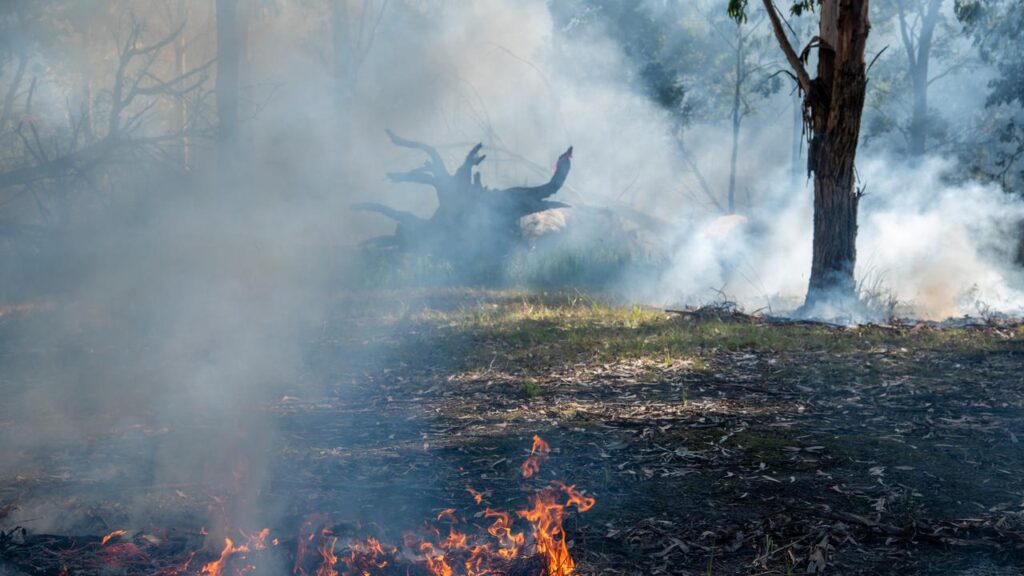
Indigenous knowledge could be powerful in responding to natural disasters with the right investment and relationships, according to a disaster preparedness scorecard.
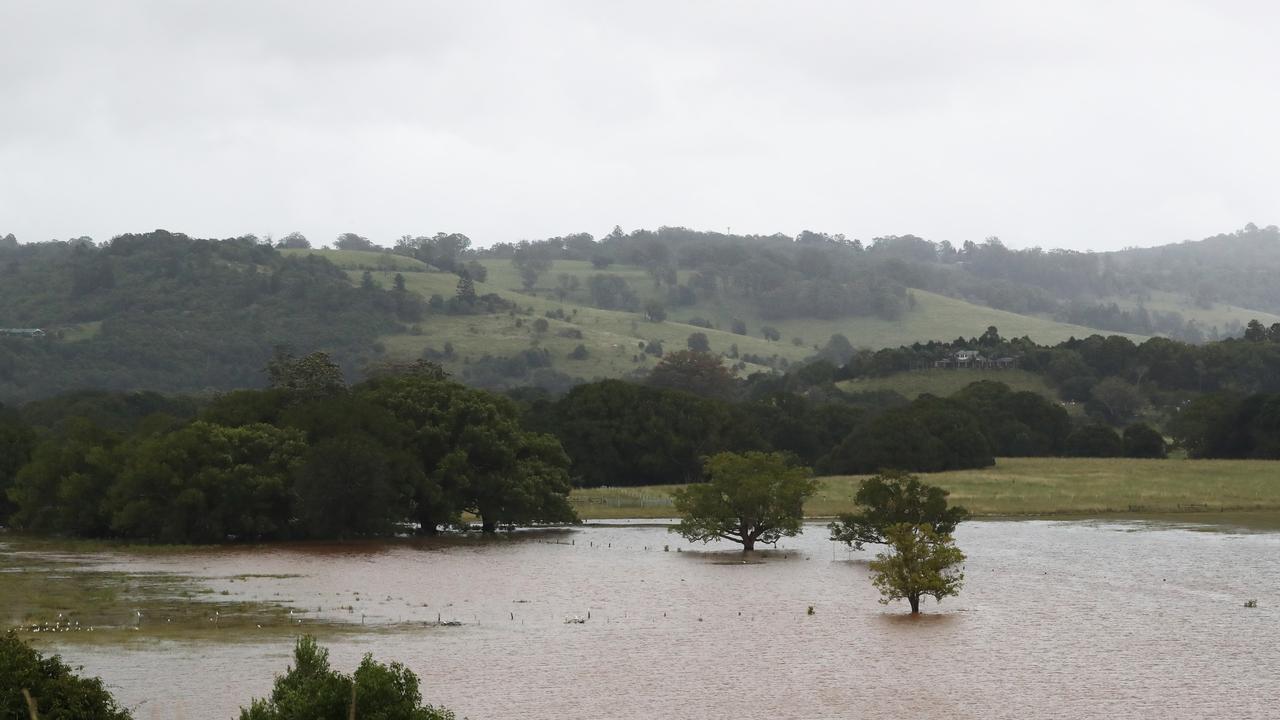
Indigenous communities are considered the most vulnerable to these events, with the scorecard finding 50 of 63 declared natural disasters over the past year disproportionately impacting First Nations communities.
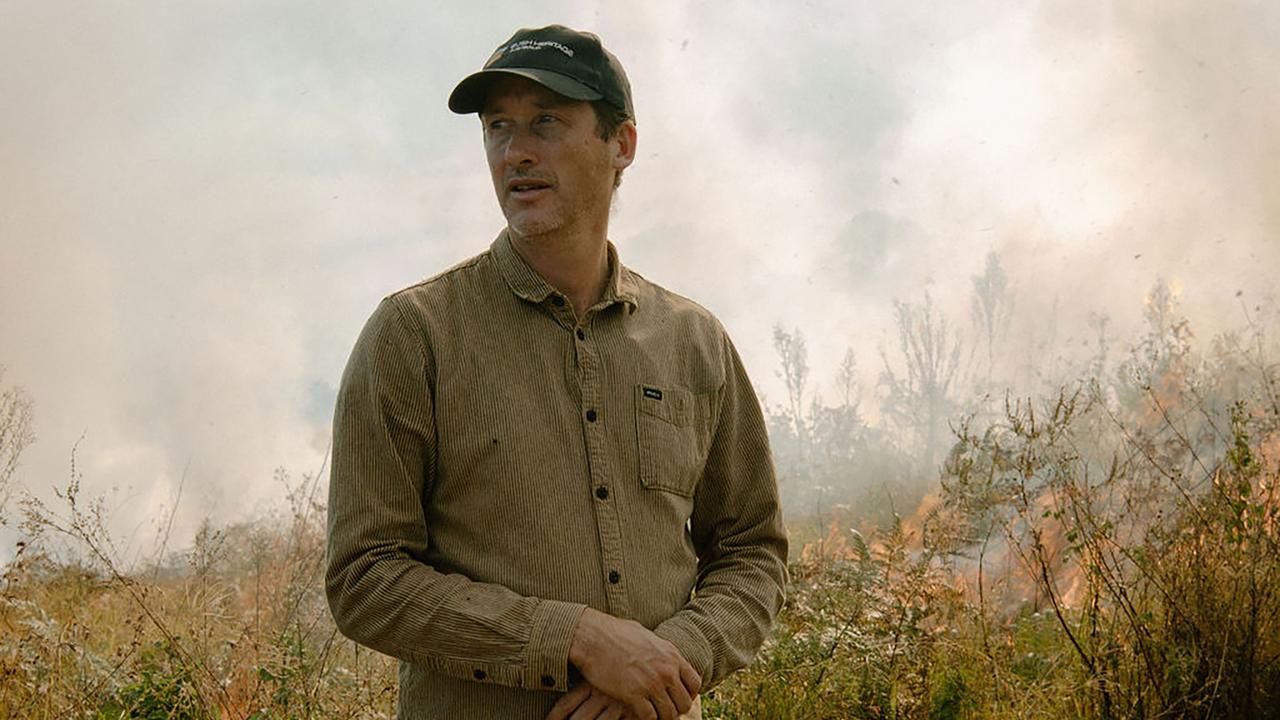
Jagun Alliance executive director Oliver Costello said while there is goodwill from governments, a lack of understanding on engaging with Indigenous organisations persists.
“We’ve got this ancestral and cultural knowledge framework that we think is a really powerful solution,” he told AAP.
This is reflected in the latest scorecard from Monash University’s national Indigenous disaster resilience program, which found state and territory governments are falling short of their commitments under closing the gap agreements.
The scorecard examines whether emergency management agencies are prepared to work with Indigenous people, if community organisations are being funded to prepare for disaster and whether planning and decision-making is being shared with First Nations people.
Monash University professor Bhiamie Williamson, who leads the program said it highlights chronic underinvestment in and a lack of partnership with community organisations who often find themselves on the frontlines of these events.
“We see community health organisations become relief groups, we see Indigenous ranger groups responding to major bushfires,” he said.
“They’re filling the gaps in emergency management responses that mainstream services are meant to provide our communities but consistently fail to do so, or fail to do so adequately.”
No state or territory has developed a strategy that meets the scale of work required under closing the gap agreements, Prof. Williamson said.
In Queensland and Tasmania it found engagement with Indigenous people had worsened in 2026.
“Governments are broadly letting down the whole Australian population, but within that they particularly let down Indigenous communities and the scorecard really seeks to measure their effort to do something about that,” Prof. Williamson said.
“It would be insincere to say that there is not effort but what we see and what this scorecard captures is there is no organised, tailored strategy.”
Prof. Williamson said partnerships between Indigenous organisations and governments, $20 million from the annual disaster ready fund set aside for Indigenous organisations and better reporting measures are needed to improve this picture.
As one of the organisations which have secured investment under the disaster ready fund in NSW, Mr Costello said Jagun Alliance, is a good example of how genuine relationships between Indigenous communities, government and emergency management entities can work.
But, he said, these relationships need to be built with organisations across the country to ensure the shared responsibility of protecting Country and community is fulfilled.
“When storms come or we’re in crisis people rally together so lets harness that energy in a good way and make sure that we can create a more safe and sustainable and resilient community and landscapes,” Mr Costello said.
AAP