Big bank rejects push to end financing of land clearing
Derek Rose |
Efforts to get Australia’s largest bank to stop financing forest-clearing activities have failed but activists have managed to put deforestation on the corporate agenda.
Commonwealth Bank shareholders on Wednesday soundly rejected the first of two resolutions put forward by the Australian Conservation Foundation, SIX, Australian Ethical and other groups, with more than 93 per cent of shares cast against it.
The attempt to amend CBA’s constitution meant a second resolution calling on the bank to set out the steps it would take to end the financing of deforestation was never officially put to the meeting.
CBA’s board recommended shareholders reject both resolutions.
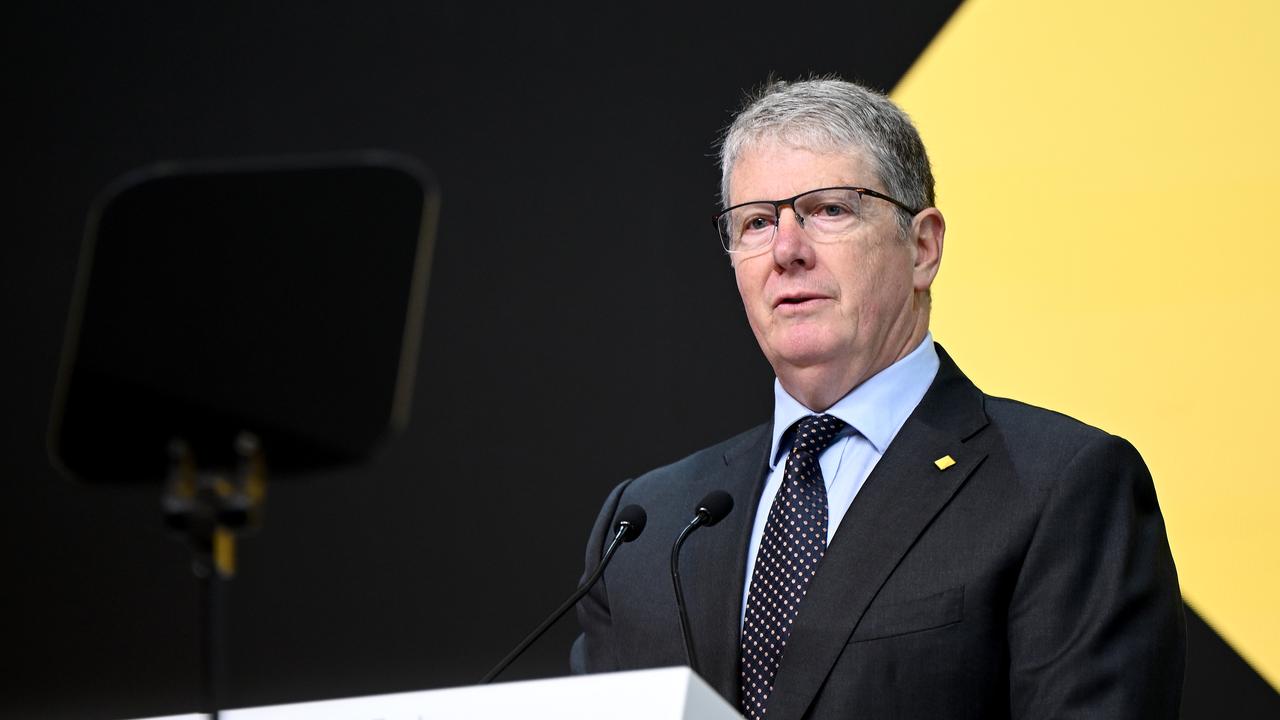
“Forest loss can have impacts on nature. But not every instance of land clearing is the same,” chairman Paul O’Malley said in his address.
“Evidence of clearing on a property by itself doesn’t tell you what the appropriate banking response should be.”
Clearing of Australia’s natural forest was destroying critical habitats for threatened species such as koalas and greater gliders, Australian Conservation Foundation head of corporate advocacy Jolene George said.
“Nearly one in every $3 lent to agricultural customers is potentially linked to deforestation,” she said.
Shareholder Martin Mansfield said the bank’s strategic response to deforestation had been woefully inadequate.
“We cannot continue the way we are. If we do, nature will collapse and, therefore, so will our economy,” he told the meeting.
Mr O’Malley said CBA would continue to engage with the Australian Conservation Foundation, regulators and farmers to learn more about deforestation and get their perspectives.
“The journey continues,” he said.
“We take the engagement and feedback very seriously.”
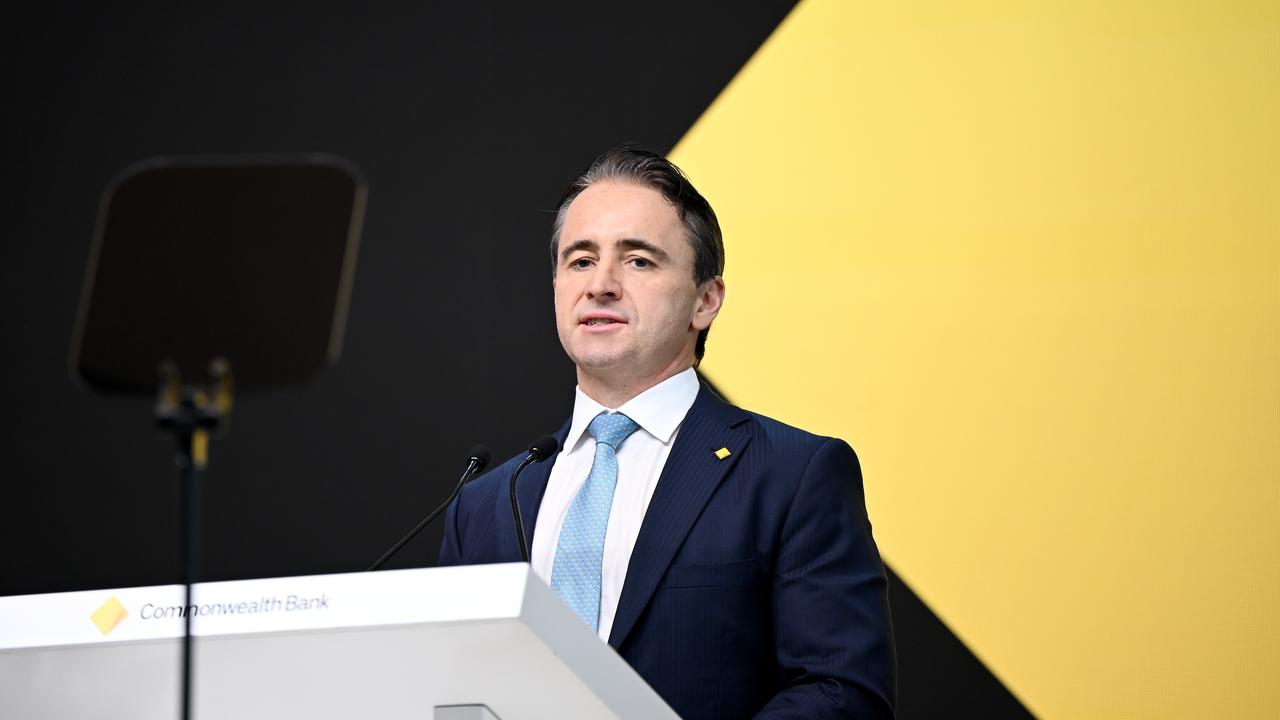
Earlier in the meeting, Mr O’Malley and CBA chief executive Matt Comyn promised the bank would support paper money, which they don’t see ever disappearing as a payment method.
Cash use has stabilised in recent years at about 15 per cent of Australia’s overall payments, or eight per cent by value, according to the Reserve Bank’s triennial Consumer Payments Survey.
About half of Australians use cash in a typical week and it’s particularly important for those who rely on it for budgeting, accessibility or as a backup when electronic payments are unavailable, the RBA says.
“People still use cash infrequently, but still value it,” Mr Comyn said.
“I cannot foresee a time when cash isn’t being distributed around the country.”

Commonwealth Bank spends about $400 million each year making sure cash is available, Mr O’Malley said.
This year it formed a venture with the other three major banks to establish a joint cash pool to distribute cash to its ATMs, branches and customers.
“We pay a provider, as do a number of other financial institutions and some retailers, for cash to be distributed,” he said.
“We see it as a service that needs to be provided.”
AAP