Climate change raises major disease risks for Australia
Duncan Murray |
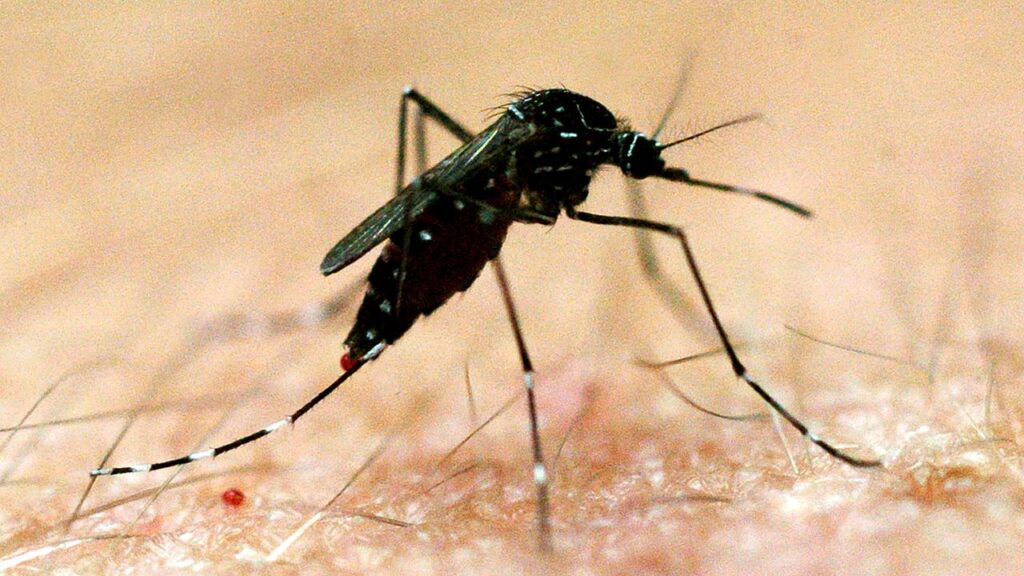
As global temperatures rise, Australia’s warmer north is at increasing risk of mosquito-borne diseases including malaria and dengue.
Both the malaria-spreading Anopheles mosquitoes and dengue-spreading Aedes mosquitoes thrive in warm, humid environments with higher levels of rainfall.
Monash University researchers have delved into how climate change and other factors interact to potentially increase the risks of the diseases globally, in a study released on Monday.

With rising temperatures, dengue-affected areas are growing as transmission expands to higher altitudes and into more temperate regions not historically associated with the disease.
Southern Australia is not considered at risk of malaria, but dengue fever is an issue in warmer areas such as far north Queensland.
The risk of dengue outbreak could spread further south as temperatures warmed, report co-author Katie Anders said.
“Places that haven’t historically had experience with dengue, in southern Europe and the southern United States, are increasingly getting local outbreaks,” Associate Professor Anders told AAP.
“That’s something we need to be really aware of in Australia.”

While dengue rates are increasing globally, malaria has been in a general decline despite the more ideal climate conditions.
The different trajectories could be due to the effectiveness of malaria interventions such as better resistance drugs and risk-reduction campaigns, Prof Anders said.
Rapid urbanisation in tropical parts of the world could also help explain the difference, with the Aedes mosquitoes which carry dengue being more suited to urban environments, while malaria is more typically a rural disease.
Recent advancements in controlling dengue, including a new vaccine, presented an opportunity to effectively suppress the disease in a similar way to malaria, Prof Anders said.
Wolbachia, a bacteria which reduces mosquitoes’ ability to transmit viruses, has been deliberately introduced throughout Cairns, Townsville, and other urban centres of northern Queensland.
Prof Anders said Wolbachia was largely responsible for reducing dengue outbreaks in northern Queensland to almost zero over the past decade.
“We absolutely would still be having outbreaks without Wolbachia,” she said.
“We’ve got a vaccine, we’ve got Wolbachia-based control for dengue.
“Finally we have the opportunity to curb this growing challenge of dengue, and we need to scale up rapidly those effective tools.”
AAP