The two sides to Australia’s climate record in Pacific
Ben McKay |
Of all the testimonies about the impact of global warming shared at the Pacific Islands Forum summit, Maina Talia’s might be the most heart-wrenching.
The Tuvalu climate change minister has been a relentless ambassador for lifting climate ambition, given the imminent threat to his homeland.
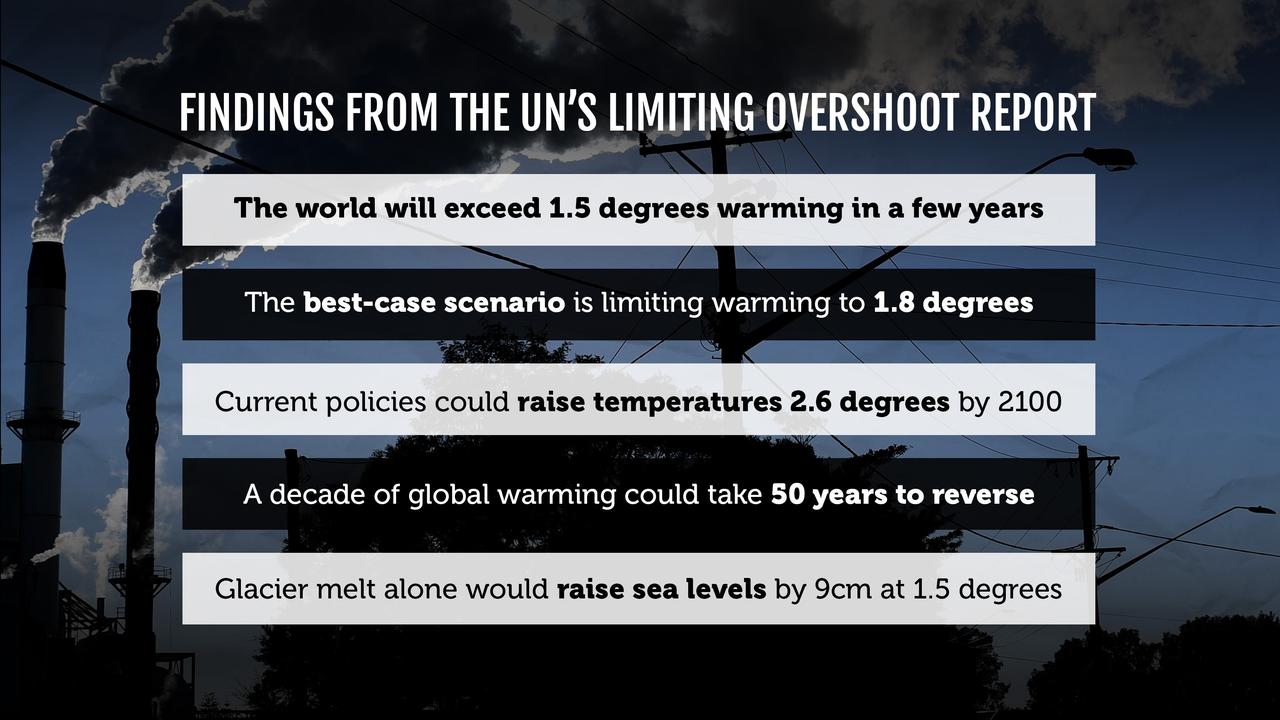
He was distraught as he recalled reading the UN Environment Programme’s grim assessment of warming trajectories, released on Wednesday.
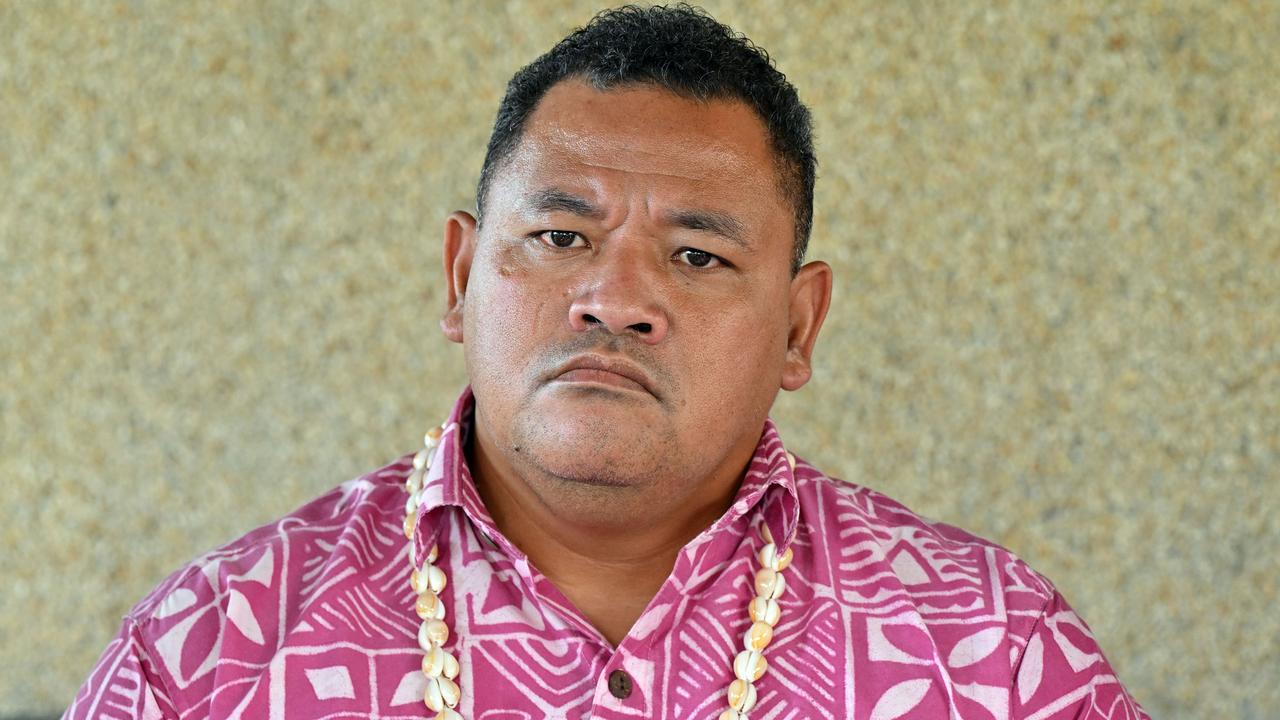
“I couldn’t sleep last night thinking, ‘how are we going to prepare ourselves’,” he said in Palau.
“Because the scenarios that may happen in the next 100 years or so could happen within the next 10 years or so.
“It’s real now. It’s here now. It’s no longer a distant threat for the Pacific, and it’s a call for all of us to scale climate actions.”
Mr Talia’s predecessor Simon Kofe won the world’s attention five years ago at the COP26 climate talks with a video address while standing in thigh-deep water.
The dispiriting findings in the UNEP report include a best-case scenario of a 1.8C temperature rise above pre-industrial levels.
That is past a scientifically backed tipping point at which temperature rises become much harder to stop because of flow-on effects.
The risks, at even the UNEP’s best-case scenario, include ice sheet collapse, deforestation and the thawing of permafrost: outcomes that would trigger further warming and/or sea level rise.
Both Mr Talia and Ralph Regenvanu, the Vanuatu climate change minister, were aghast at the overshoot, and fingered Australia for its share of the blame.
“Australia is not doing enough. Australia is a major producer of fossil fuels,” Mr Regenvanu said.
“We all know fossil fuels are the primary driver of the climate crisis.
“The very least a country like Australia should be doing is stopping future expansion, and it’s not doing that.
“This means a rapid transitioning away from fossil fuels and fossil fuel subsidies. There’s no other way.”
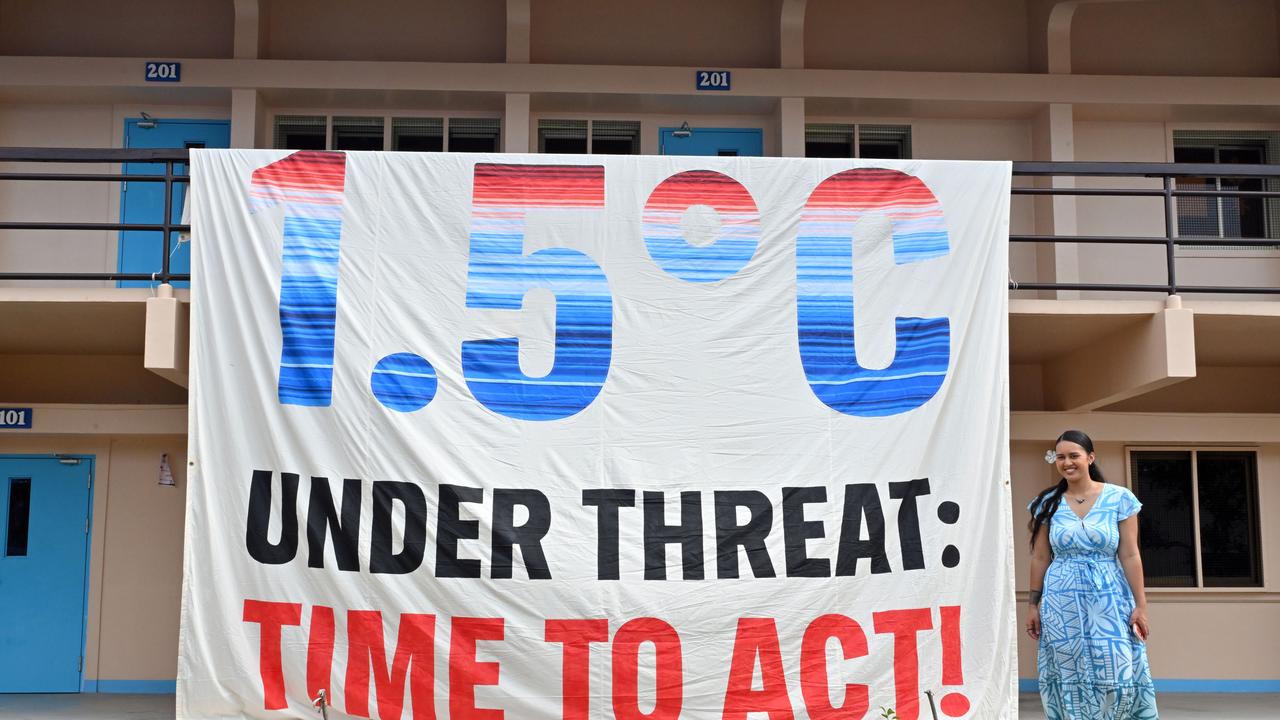
Mr Talia said the PIF had previously committed to doing what it could to cap warming at 1.5C.
“The only way out for us is to ensure that we continue to push for 1.5 to stay alive,” he said.
This is the fundamental schism in Australia’s climate record, as seen by the Pacific.
Australia is the biggest contributor of development assistance, including a growing total of climate adaptation or renewable energy projects.
But it is also one of the world’s biggest fossil fuel exporters and continues to approve new and extended or expanded oil, coal and gas projects: 36 under the Albanese government according to the Climate Council’s last count.
Some leaders lash Australia for slow progress, others see the transition as, unfortunately, a long game.
In Palau, Anthony Albanese defended his government’s record, saying the grid had recently hit 50 per cent renewables supply, and Pacific leaders understood a transition would take time.
“Australia is highly regarded when it comes to climate change … Pacific leaders have respect for the position that we’ve taken,” he said.
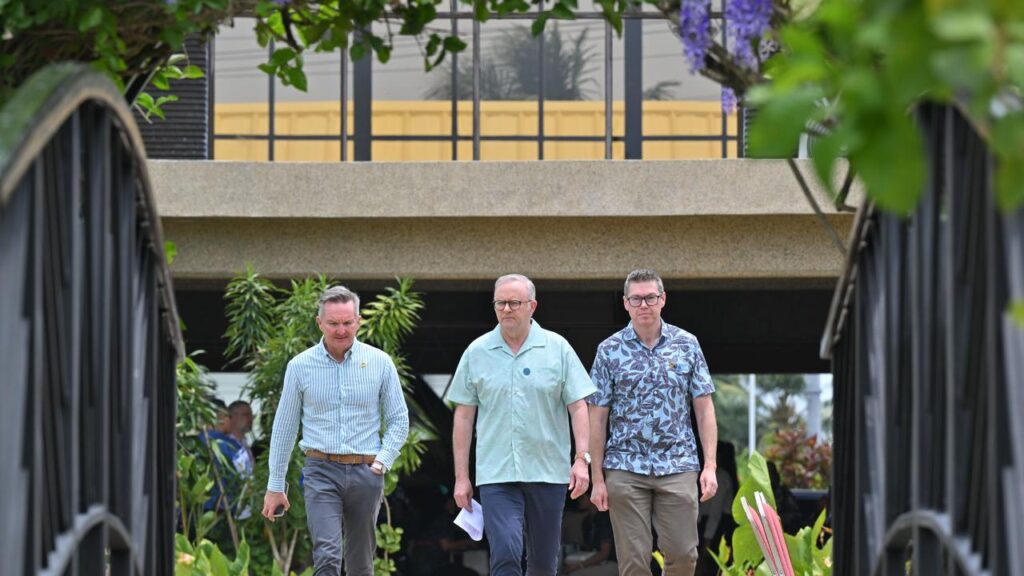
On Thursday, Mr Albanese and Mr Whipps toured an Australia-backed solar panel farm that will bump Palau’s share of renewable-powered electricity generation to 25 per cent.
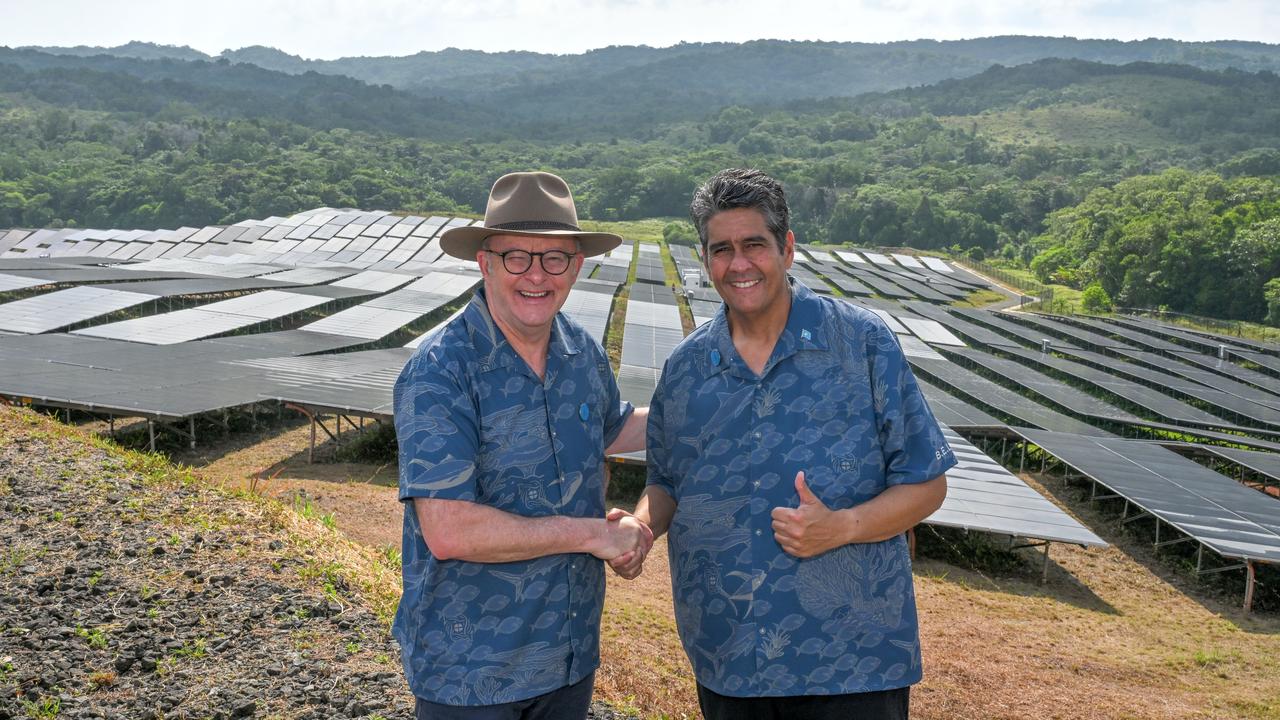
“Palau has shown strong leadership on climate action and sustainable development, and Australia is proud to support those efforts,” Mr Albanese said.
Asked for his view on the UNEP report, Mr Whipps said it was “tragic” to “know we are going to overshoot”.
And on Australia’s contribution to emissions?
“I don’t think we penalise countries that are producing oil and gas because people need it,” he said.
“What we need to focus on is how do we reduce that need, and that’s what Australia is doing.”
AAP