Offshore Wind Farms Emerge as Unexpected Marine Sanctuaries, Boosting Fish Populations
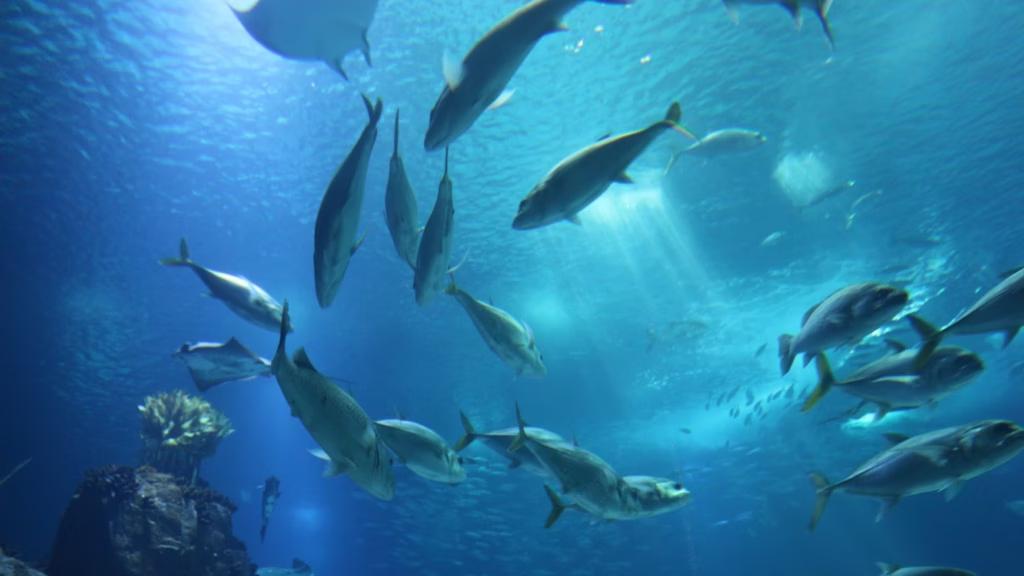
by Queenslander Staff
New research has confirmed that offshore wind farms are doing more than generating renewable energy; they are functioning as effective artificial reefs that significantly boost local fish populations. The findings, published in Global Ecology and Conservation by researchers from Murdoch University and Dalian Ocean University, suggest that the underwater infrastructure of wind turbines can create thriving marine habitats.
The study focused on the Zhuanghe offshore wind farm to understand how these massive structures impact the ocean floor. Researchers discovered that the turbine foundations, known as monopiles, provide ideal hard surfaces for marine life to attach to, much like a natural reef. According to the report, mussels, barnacles, and other organisms “colonized the monopiles in the OWF, constituted over 50 per cent of the total biomass” in the area.
This growth at the bottom of the food chain appears to be driving a boom in fish numbers. By comparing the wind farm to a control site without turbines, the study found that the complex environment attracted a wide variety of species. The authors noted that “most fish functional groups exhibited significantly greater biomass in the OWF area, particularly demersal species, which is consistent with the findings from other studies and their suggestion that OWFs act as ‘fish aggregation devices’.”
For coastal communities concerned about the impact of industry on marine life, the results are encouraging. The data suggested that these zones are supporting healthier, larger populations of bottom-dwelling fish. While some communities have raised concerns over the impact of exploration and construction work, the study found these could also be beneficial. Disturbing the seabed could lead to a stirring up of nutrients, thereby increasing the availability of food. This could lead to an increased presence of zooplanktivorous fish, contributing to the growth of larger predators.
A key factor in this revival is the exclusion of commercial fishing vessels from the immediate vicinity of the turbines. The study highlights that the wind farm effectively becomes a sanctuary for fish to grow undisturbed. The authors state, “This increase could be linked to fishery restrictions in the OWF area, as relevant regulations often designate it as a no-take zone, thereby enabling it to function as a marine protected area that offers refuge to commercially targeted species.”
The introduction of these structures seems to have shifted the local environment for the better, “creating a more complex, mature, and stable benthic-dominated ecosystem.” As Queensland continues to explore renewable energy options, this research points to a potential dual benefit: securing clean power while simultaneously providing a safe haven for marine biodiversity.