‘A calling’: women’s work strengthens rural Australia
Stephanie Gardiner |
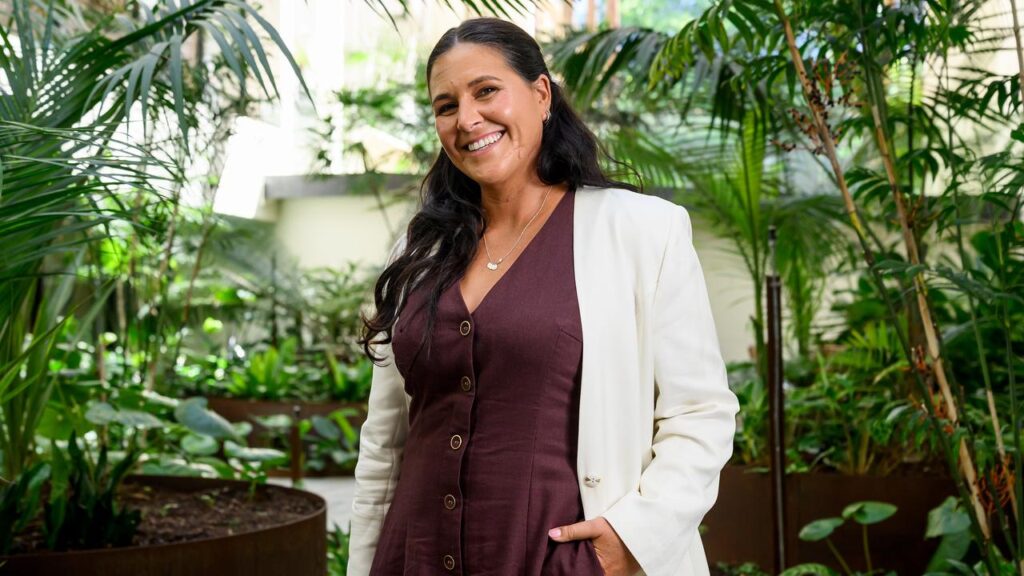
Nicole Chiesa begged her mum to let her leave high school early, knowing she was destined for life on the land.
She left school for Dalby Agricultural College in Queensland in Year 11 before working as far away from her family’s Sunshine Coast beef cattle farm as possible.
“I was a bit rebellious,” Ms Chiesa told AAP.
“I went: where’s the furthest place away from home?”
Ms Chiesa ended up working more than 2000km away on Alexandria Station, one of Australia’s biggest cattle properties on the wide, open plains of the Barkly region in the Top End.
Her early career in agriculture led her not only to her sugar cane farmer husband in Ingham, Queensland, but also back to school.
She founded Link 2 Country, a program that works with schools to give students hands-on experience in farming, from putting harnesses on horses to operating a harvester.
“We’re just not seeing the next generation coming along … in all areas of agriculture, it’s a big problem,” Ms Chiesa said.
“My own kids are doing all these come-and-try days for sport, so … why can’t we do this for agriculture and our rural community?”
The venture, which has reached about 1000 students in a little more than a year, has helped her secure the $50,000 Tim Fischer Fellowship.
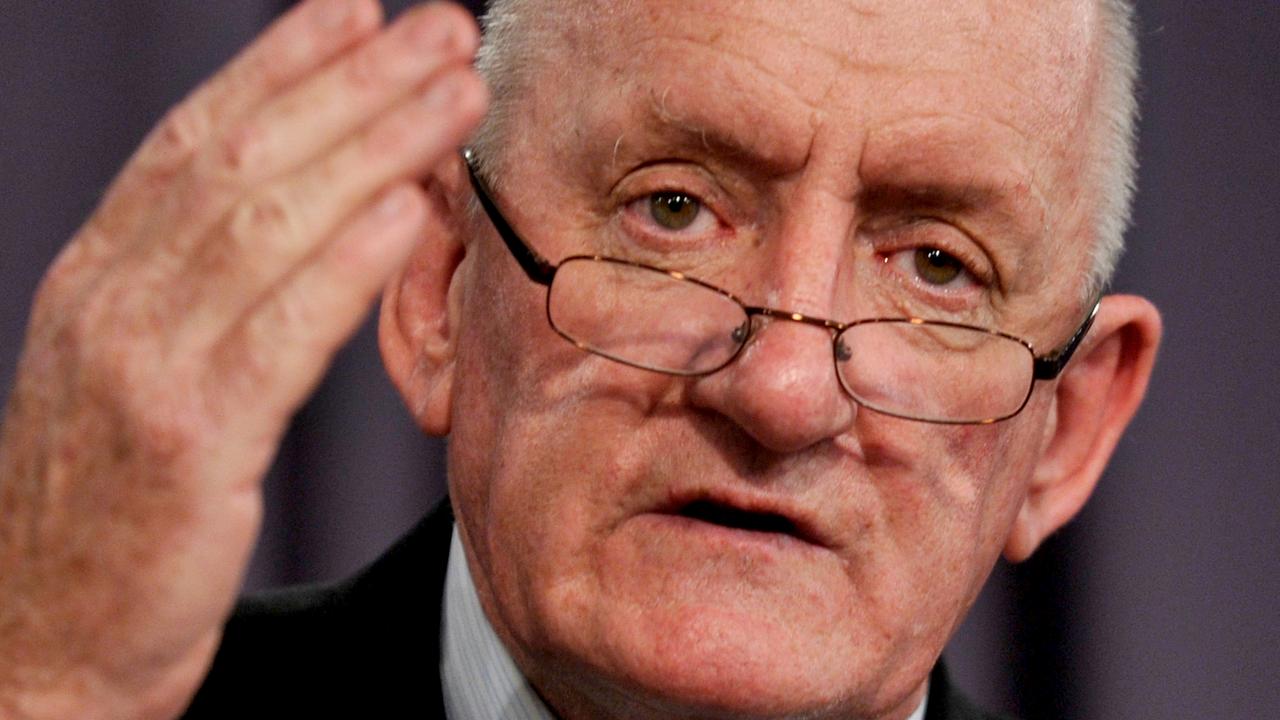
The Country Education Foundation’s fellowship, named in honour of the former deputy prime minister, recognises people driving change through education across rural Australia.
The field of candidates was so strong in its second year that two women have received the honour.
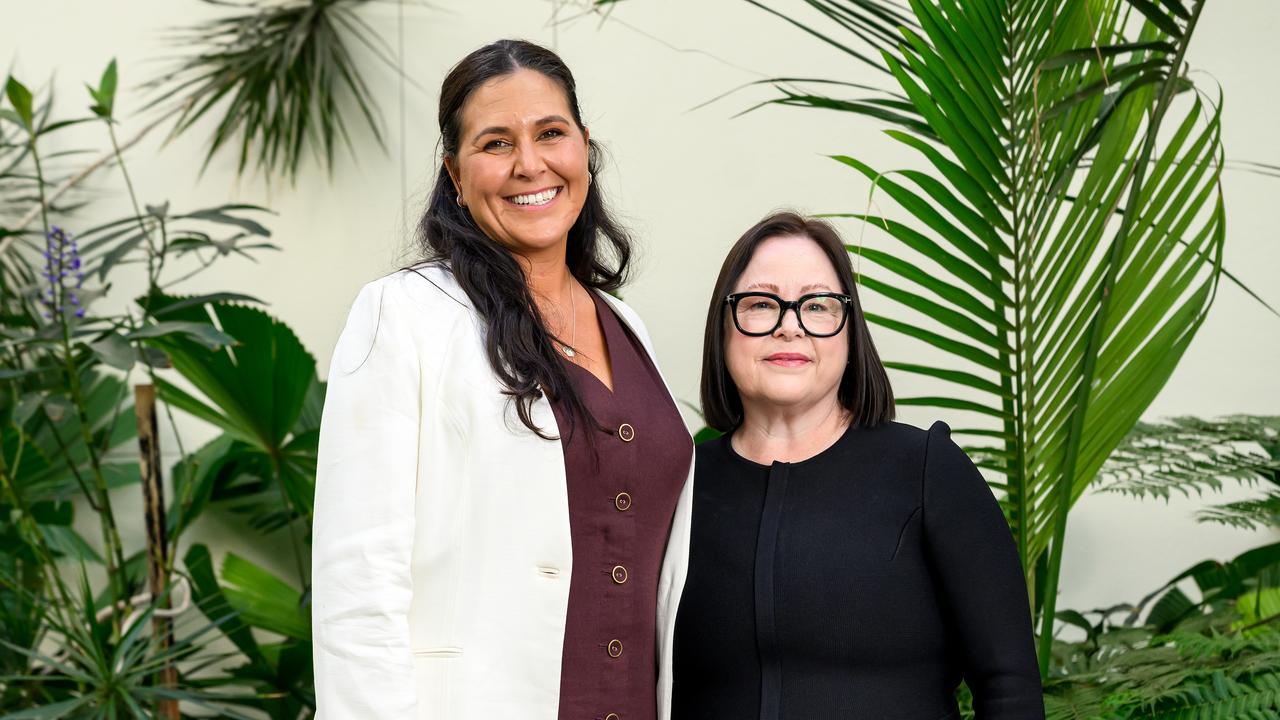
Victorian academic Erin Smith has also been awarded $50,000 to expand an online training module that helps rural paramedic and nursing students practise disaster response.
The simulation, developed at La Trobe University, allows students to virtually respond to a mass casualty event, making quick decisions and triaging patients in varying levels of distress.
The game-like program means rurally-based students can avoid long trips to the Melbourne campus for on-site disaster drills, Associate Professor Smith said.
“We know our rural and regional towns are bearing the biggest burden of natural disasters,” she said.
“In rural areas, you’re more likely to have smaller teams of people … intimately connected to the community that’s been devastated, maybe their own home is at threat or someone they know is missing or injured.
“We have to approach the way we train them in a different way.”
It’s hoped the program can eventually be used by other universities and emergency services.
Assoc Prof Smith, who has long worked with volunteer firefighters and the mental health organisations that support them, became interested in disaster response after the terrorist attacks on September 11, 2001.
She has worked in the sector ever since to train first responders, particularly in rural areas.
“It doesn’t even feel like a job any more, it feels like a bit of a calling.”
AAP