Ka-ching! Aussies to spend $1.25m a minute on sales
Kaaren Morrissey |
Inflation is spiking, interest rates are at an 18-year high and the economy is faltering.
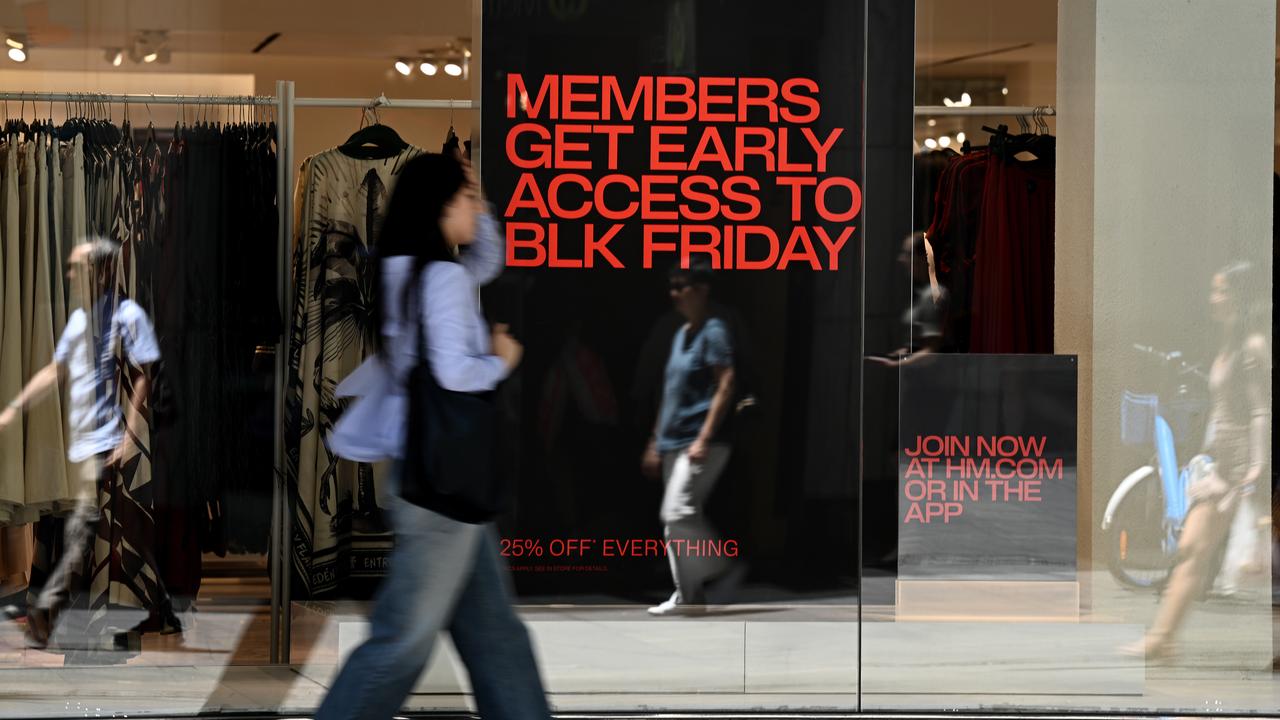
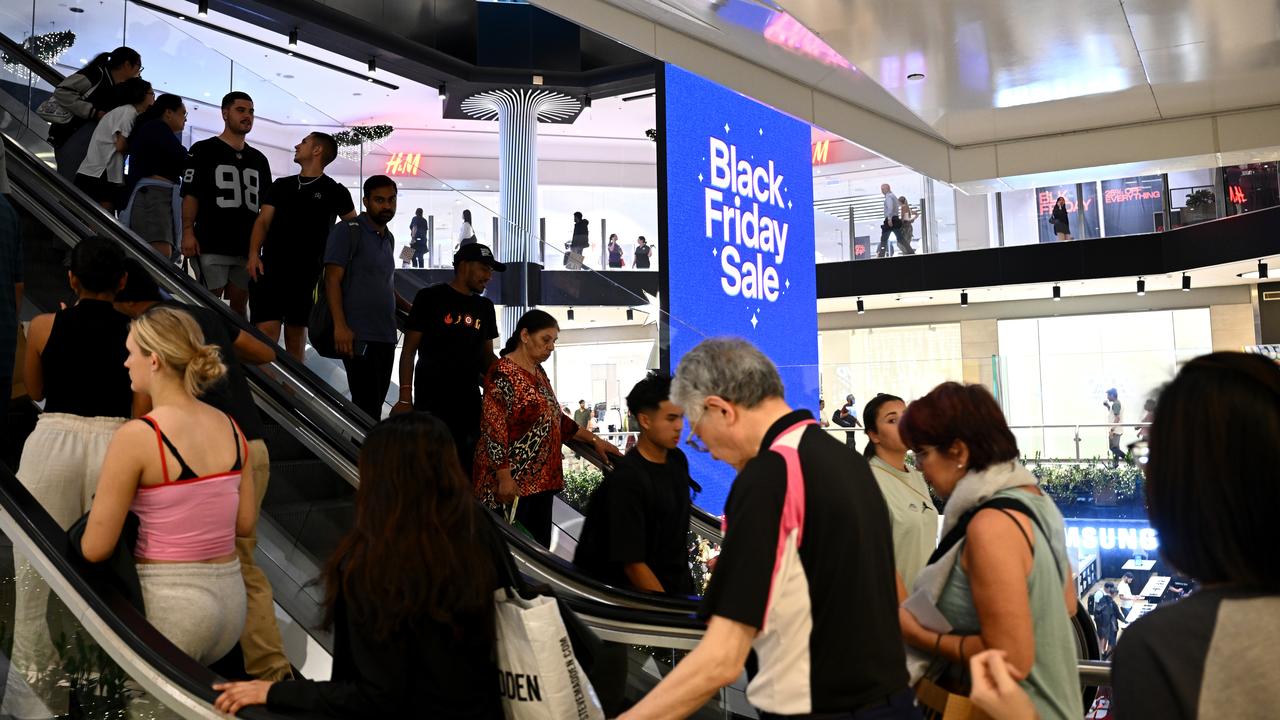
But that won’t stop Australians from shelling out $1.25 million a minute over the next four days as the Black Friday-Cyber Monday sales kick off.
Competition for those dollars is fierce, especially among the biggest retailers, so many smaller sellers have been trying to get in front by starting sales earlier and scaling their discounts.
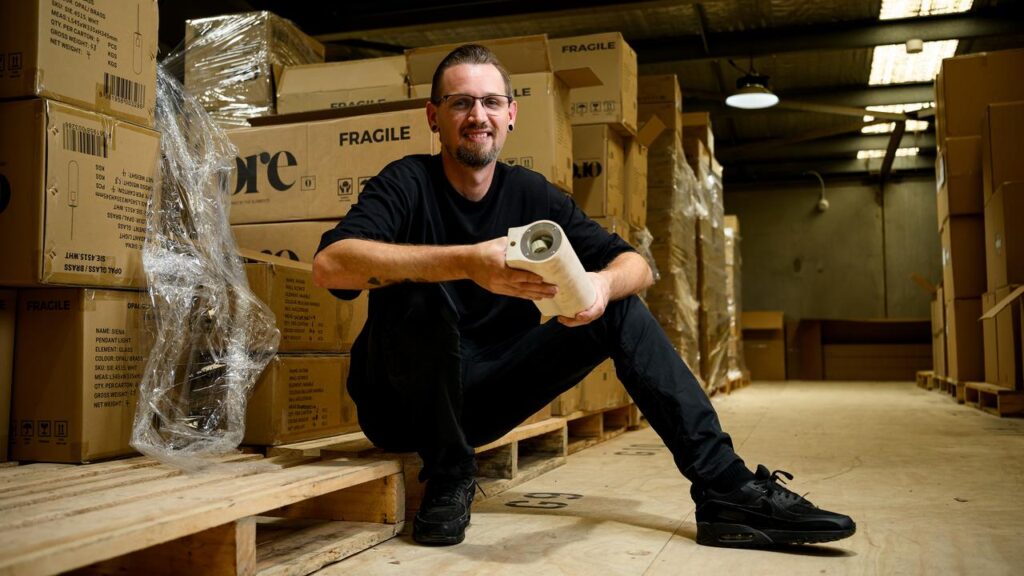
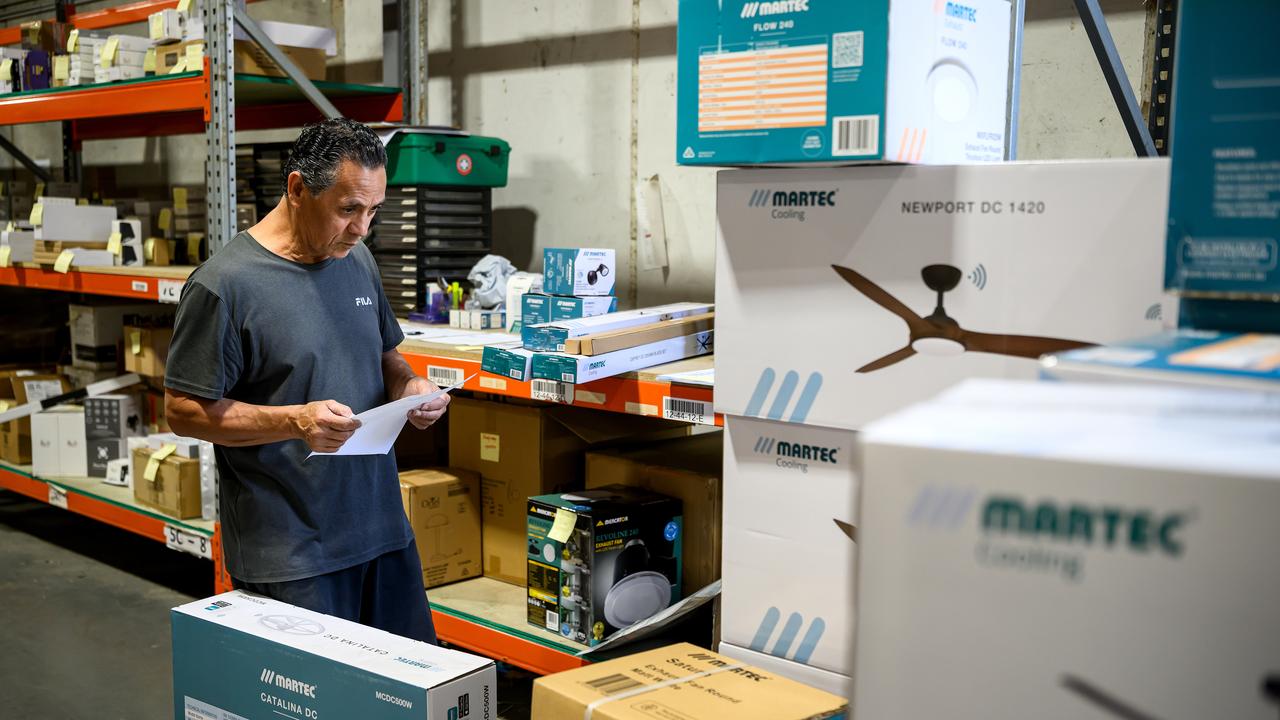
Mitchell Elworthy set up his lighting business 12 years ago as a side hustle on eBay selling discontinued products.
Today, The Lighting Outlet founder is a 10-year veteran of the four-day Black Friday-Cyber Monday events through his online site.
Previously his strategy focused on blanket discounts, like spend-and-save promotions and a flat percentage off retail prices.
“But this year, just the way the economy is and business expenses, we’ve dialled it back a bit,” Mr Elworthy told AAP.
The store shifted to ‘hot drops’ of 20 heavily discounted products in each of the two weeks before the main event, mainly for high-margin goods, as well as ‘hero drops’ of 25-50 per cent discounts.
“You’ve got to offer something a little bit different or mix it up so that it grabs their attention,” he said.
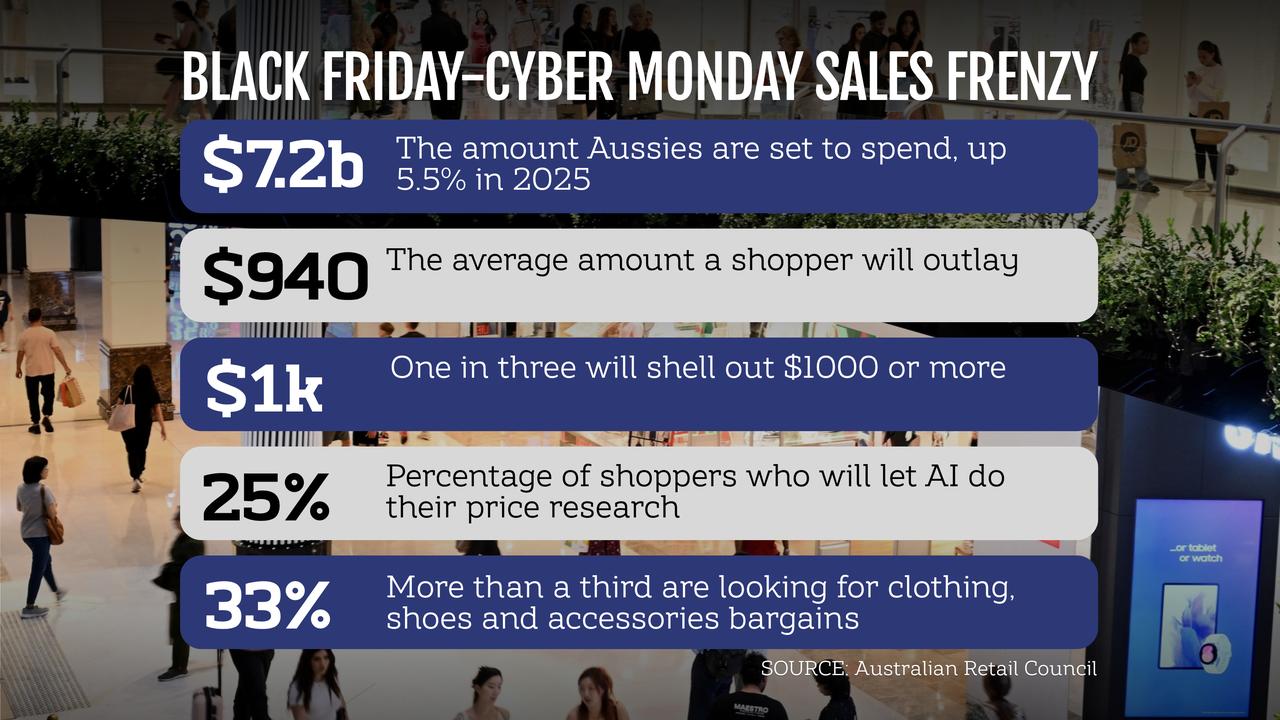
Shoppers are expected to spend 5.5 per cent more than in 2025, sending the Black Friday-Cyber Monday total to $7.2 billion, according to a Roy Morgan SMS survey of more than 7500 people for the Australian Retail Council.
The average consumer will spend $920 – an extra 14.4 per cent – and almost one in three are ready to shell out $1000 or more.
The majority (67 per cent) won’t complete their carts for discounts of less than 30 per cent, according to Westpac data.
“They are going in prepared, setting rules, comparing prices and waiting for the right deal,” consumer chief executive Carolyn McCann said.
But not all discounts are equal.
A 30 per cent discount at one retailer could be the same price as 20 per cent off at another, if the pre-sale price was much higher.
This is when artificial intelligence comes in handy to track down the best retailers selling this year’s most popular items like clothing, shoes, accessories and technology.
A quarter of shoppers will be using conversational chatbots to research their wish lists, and for 72 per cent it will be their first time, retail industry data shows.
But 33 per cent of Australians will be using agentic AI tools – like Meta Muse or OpenAI Dots – to take autonomous control of the hunt, consumer digital safety group TrendLife said.
Of those, 15 per cent will give those agents the power to complete actual purchases, its yet-to-be-released global survey of thousands of consumers shows.
“That’s a pretty high number,” TrendLife consumer education vice president Lynette Owens told AAP from Boston.
“It’s the younger generation that’s leading the way.”
Smaller businesses are also stepping up their use of AI this year to improve their performance, using software platforms or other tools to crunch the numbers for insights on sales strategies.
“We’ve been incorporating a lot of AI, so we’re actually getting a lot more market share,” Mr Elworthy said.
And with 55 per cent relying on credit or deferred payments to fund stock and labour for the sales, every dollar counts, small business payment platform Xero found.
“We really want to encourage Aussies to shop small for Black Friday and this festive season, given some of the challenges that small businesses are facing,” Xero’s Australian operations head Charlie Sheppeard told AAP.
“A lot of consumers believe that by shopping small you might be spending more, but in many, many cases you’re not and the experience you get as a consumer or shopper is pretty special.”
As for Mr Elworthy, his Xero analytics and AI tools are telling him November 2026 will be a good one, with gross profits forecast to be 20-30 per cent higher than in 2025.
AAP