Rate cuts in June? Tanking economy could speed RBA flip
Jacob Shteyman |

Australia’s rapidly unravelling economy has prompted one of the nation’s major lenders to bring forward its prediction of a Reserve Bank rate cut in the first half of 2027.
ANZ became the first of the big four banks to tip a rate cut as early as June on Tuesday.
A shock jump in the unemployment rate to a post-pandemic high has raised fears Australia is heading into a recession and shifted rate expectations.
Macquarie Bank has put the chances of Australia entering a recession at 50 per cent.
A cut in the new year would mark a dramatic shift for the central bank, which has placed mortgage holders under increasing pressure during 2026 with five rate hikes in a bid to combat surging inflation.
Money markets have now gone from pricing a one-in-four chance of another hike early next year to fully pricing in a cut by August.
But Adam Boyton, ANZ’s head of Australian economics, said the RBA would likely cut in June, assuming three elements came together over the next six months.
The first is a further deterioration in the labour market.
At 4.9 per cent, unemployment is still relatively low by pre-COVID standards. But with interest rates in restrictive territory and growth set to slow below two per cent, it’s hard to see the jobless rate not continuing to rise, Mr Boyton said.
Moreover, unemployment above five per cent would bring it above the RBA’s estimate of full employment. In September, RBA governor Michele Bullock said unemployment would likely need to rise to between 4.5 and 5 per cent to tame inflation pressures.
The second requirement for a June cut is evidence that the gap between demand and supply has closed. Capacity utilisation, as measured in NAB’s monthly business survey, remains relatively high but has fallen over the past year.
Falling business conditions and capacity utilisation should ensure the RBA’s measure of excess demand should close to zero over early 2027, Mr Boyton said.
The third element is the most critical – underlying inflation falling back into the two-to-three per cent target band on a quarterly basis.
Mr Boyton said there was a plausible path for trimmed mean inflation printing at 0.7 per cent in the first quarter of 2027.
“That path is through housing,” he said.
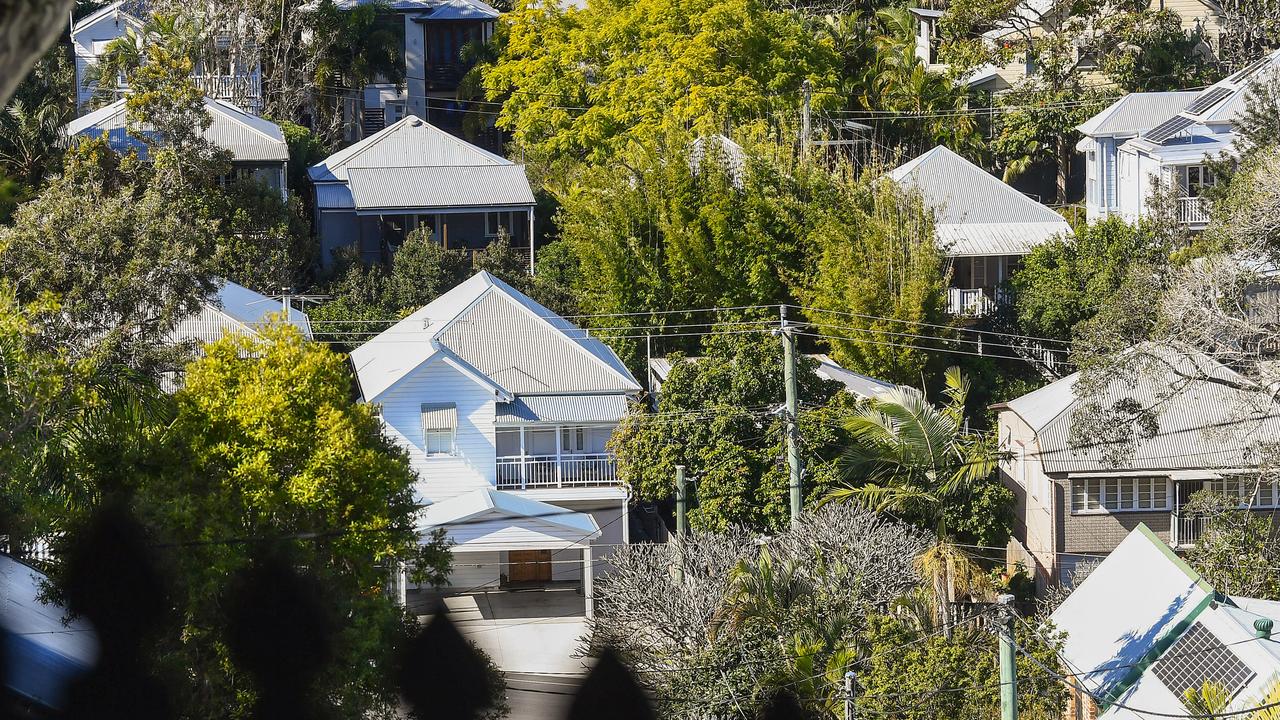
With new home prices moving sideways and established housing values falling rapidly, inflation across new dwelling purchases and rents should average about 0.4 per cent over the quarter, ANZ predicts.
That should allow for trimmed mean to drop into target, even if other elements of the basket remain persistent, Mr Boyton said.
Forecasters at CBA, Westpac and NAB – along with HSBC, AMP, JP Morgan and others – still predict the RBA will start cutting in the second half of 2027.
Mr Boyton said the RBA would be unlikely to cut in May, given the board would probably prefer to wait for the federal budget to see how much government spending would be adding to demand in the economy.
More cost-of-living support would reduce the need for the RBA to ease monetary policy.
But a large injection of fiscal support would seem unlikely, given the scrutiny on government spending and its contribution to inflation, Mr Boyton said.
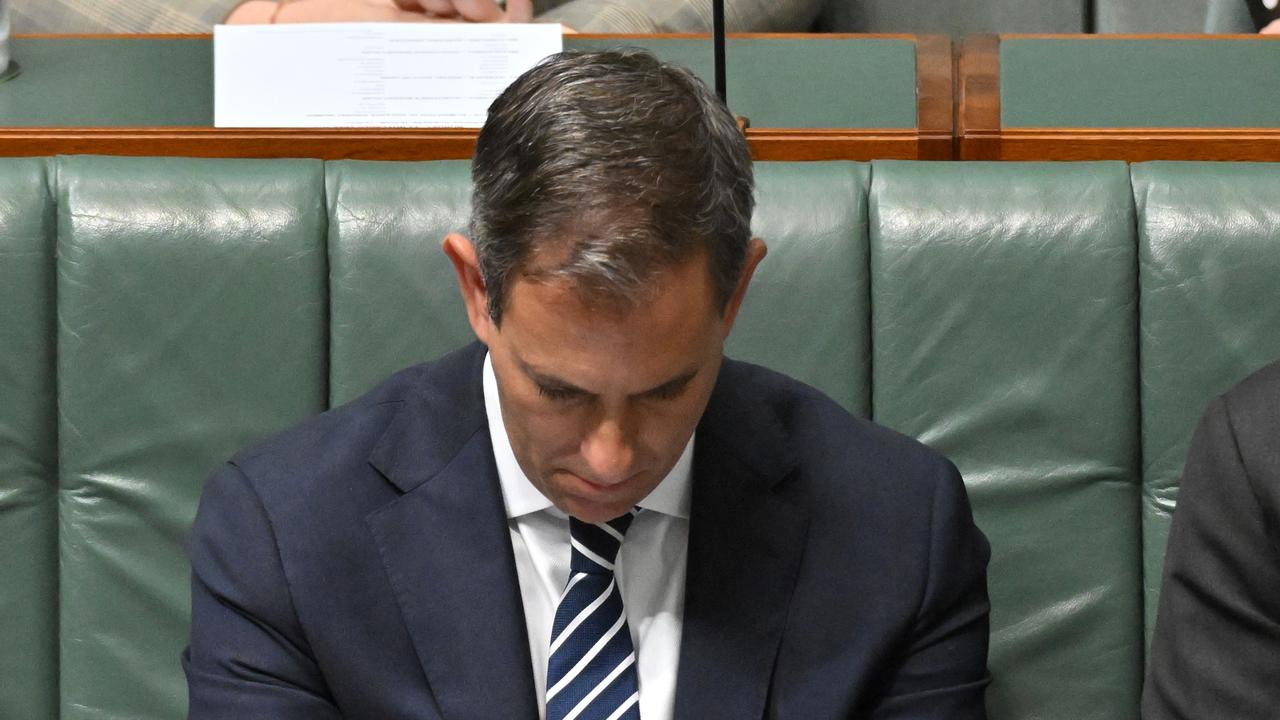
Treasurer Jim Chalmers has committed to finding net savings for the first time in the December budget update, meaning more spending cuts than additional spending announcements since May, but said it won’t be “slash and burn” .
“We won’t overdo it or underdo it,” he told reporters on Tuesday.
“This is a very careful balance that we are striking here when it comes to the savings package in the mid-year update to cut enough to play a helpful role in the fight against inflation.”
Shadow Treasurer Tim Wilson said Dr Chalmers and Prime Minister Anthony Albanese were the “Thelma and Louise” of the Australian economy.
“They’re driving the Australian economy and jobs off a cliff,” he said.
AAP