Australia urged to charge up battery manufacturing
Jennifer Dudley-Nicholson |
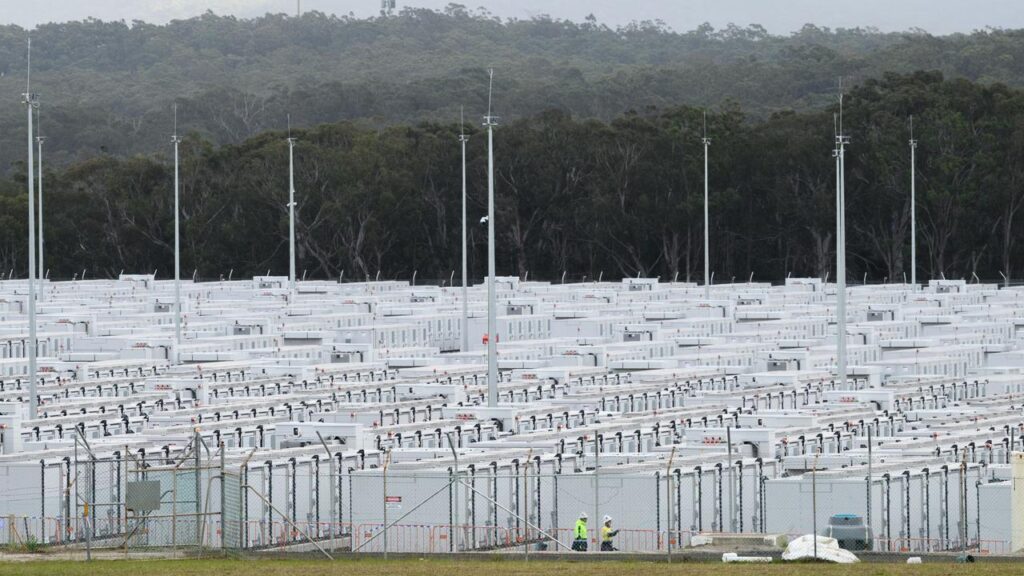
Australia has the natural resources and know-how to create a thriving battery manufacturing industry but is missing opportunities by exporting critical minerals rather than turning them into high-value products.
Scientists from the CSIRO issued the warning at an event on Tuesday, also recommending more international partnerships and a greater focus on manufacturing individual components rather than trying to make entire batteries.
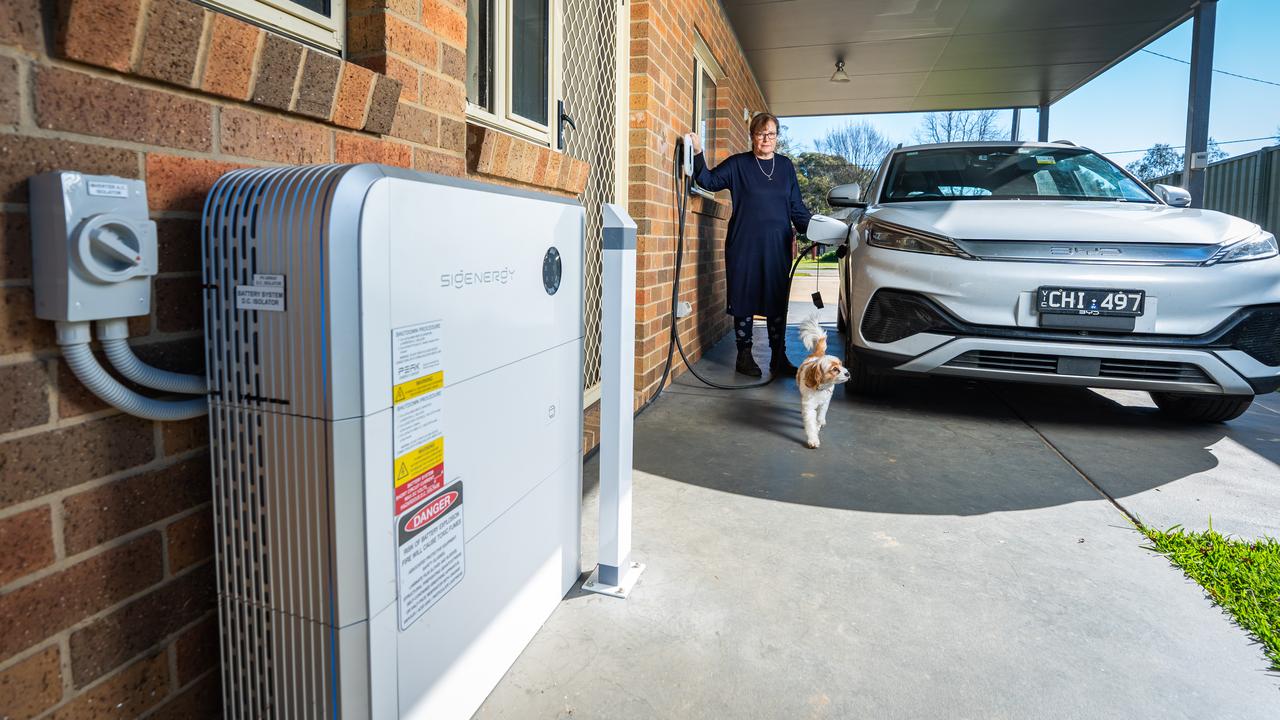
The call comes as Australians embrace battery technology, with more than 600,000 home batteries installed under a federal scheme since July 2025 and rapid electric vehicle sales since March.
Speaking at an event called Australia’s Battery Opportunity, CSIRO mineral resources principal research scientist Joanne Loh said the nation had enviable access to valuable raw materials.
“We have all the minerals needed for batteries, specifically lithium-ion batteries – we’re the number one producer in terms of lithium… we have nickel, cobalt, manganese, aluminium, copper, graphite, you name it,” she said.
“However, we export all of these as raw materials overseas so even though we might have it, we’re actually sending it overseas for processing, then importing them back as batteries.”
The nation also shredded batteries at the end of their lives and exported the materials, Dr Loh said, rather than using them.
Australia had also stopped manufacturing elements that could be used in batteries, such as aluminium foil, CSIRO senior research engineer Geoff de Looze said.
The nation could re-establish that facility, he said, and target the local production of key components like aluminium casings and copper foil.
“We do have some gaps in Australia’s capability so when we look at them we need to rank them and work out which ones we can take on and which ones we want to leave alone,” Mr de Looze said.
“Any of the manufactured parts going into batteries, Australia can take on.”
A CSIRO report released early in November found Australia could use its expertise in manufacturing aluminium aerosol cans to produce battery casings, for example, or manufacture copper foil from scrap wire.
Identifying gaps in the global battery supply chain could allow Australian companies to partner with larger manufacturing firms from the region, CSIRO senior principal research scientist Adam Best said, rather than competing with an established industry.
“We need to work closely with our partners in Asia, Pacific, North America, Europe, to find where we fit in this middle part such that we can do… that manufacturing, that value-adding, to capture more value from our resources,” he said.
“Then Australia does have a brighter future that can lead to a future with energy security.”
AAP