Fossil fuel plan, Pacific fund dropped from COP31 draft
Jennifer Dudley-Nicholson |
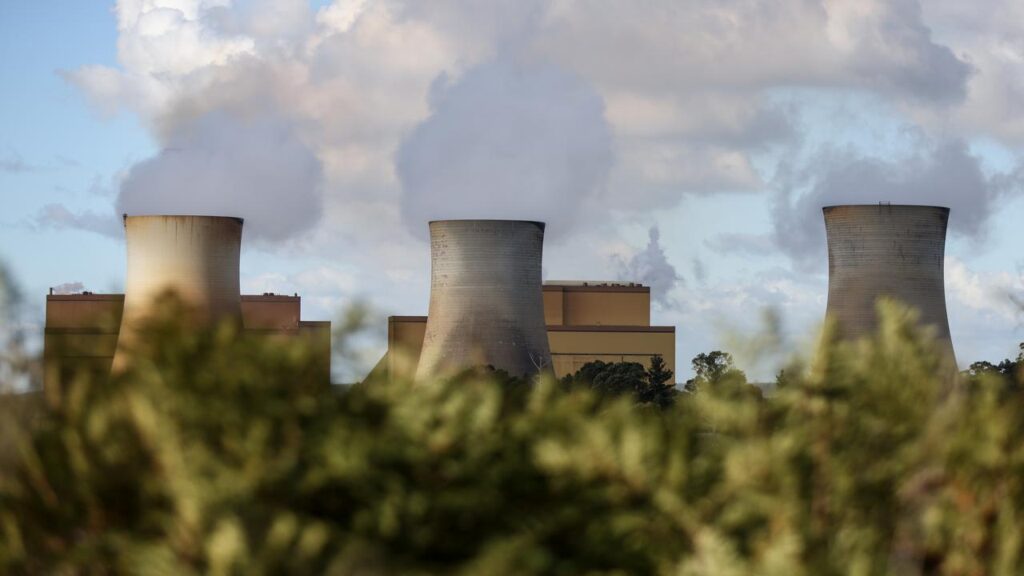
Ambitious proposals to phase out fossil fuels faster, reach net zero earlier and boost climate finance have been stripped from the draft of a global climate agreement shortly before negotiations are due to conclude.
The latest COP31 draft decision also removes a reference to the Pacific Resilience Facility championed by Australia, although electrification and renewable energy targets remain part of the talks.
The United Nations released a slimmed-down version of the COP31 cover decision draft late on Thursday, Australian time, cutting it from 18 pages to nine.
Environment groups criticised the omissions, with the Australian Conservation Foundation calling the removal of fossil fuel references “shocking” and Greenpeace urging organisers not to compromise too much.
Organisers released the draft on the second last day of the summit in Antalya, Turkey, before a new round of debate over the content of the final statement.
Negotiations would begin within hours, COP31 president of negotiations and Australian Climate Change Minister Chris Bowen said, and would not end until the group of almost 200 nations had reached agreement.
“We’ll be engaging in intense consultations with every single group, starting this afternoon and into the night,” he said.
“We will be consulting and negotiating until it is very clear to us that we have a consensus that sends a message as strongly as it needs to be to the boardrooms and living rooms of the world.”
The second COP31 draft removes references to a transition away from fossil fuels, and proposals for developed nations to target net zero by 2030 and net-negative emissions by 2040.
A proposal for climate adaptation finance to reach at least $US120 billion ($A180 billion) by 2035 was also removed from the document, along with references to Pacific funding and detailed methane reduction methods.
Targets to boost electricity’s share of global energy use to 35 per cent by 2035 and triple renewable energy capacity remained in the draft.
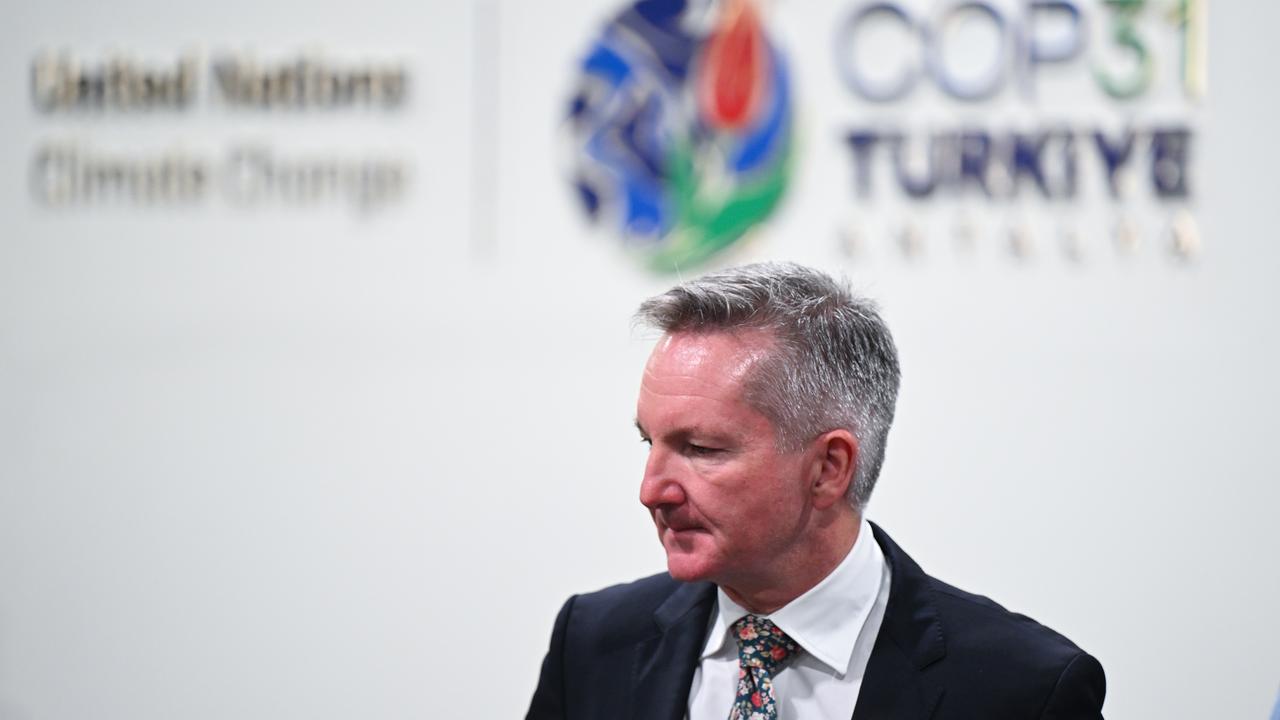
Asked why fossil fuels had been excluded, Mr Bowen said the draft had been designed with the strongest terms that could attract approval.
“Parties will have views,” he said.
“We have put forward what we think, based on all our consultations, gives us the best chance of receiving the most ambitious result that consensus will allow.”
But failing to address the role fossil fuels played in global warming would be a major oversight for the summit, Australian Conservation Foundation chief executive Adam Bandt said.
“Massive improvement is needed to this deal, otherwise coal, oil and gas will continue to expand and the climate crisis will get worse,” he said.
“The failure to mention the transition away from fossil fuels is shocking, made worse by talk of false solutions like carbon capture utilisation and storage instead.”
The updated draft did not adequately address climate finance or how to limit the overshoot past 1.5C of warming, Greenpeace Australia Pacific advocacy head Susie Byers said.
“This is not a moment for weak compromises,” she said. “The world has a responsibility to do more.”
AAP