Coalition marks turf on gas reserves as deadline looms
Andrew Brown and Will Nicholas |
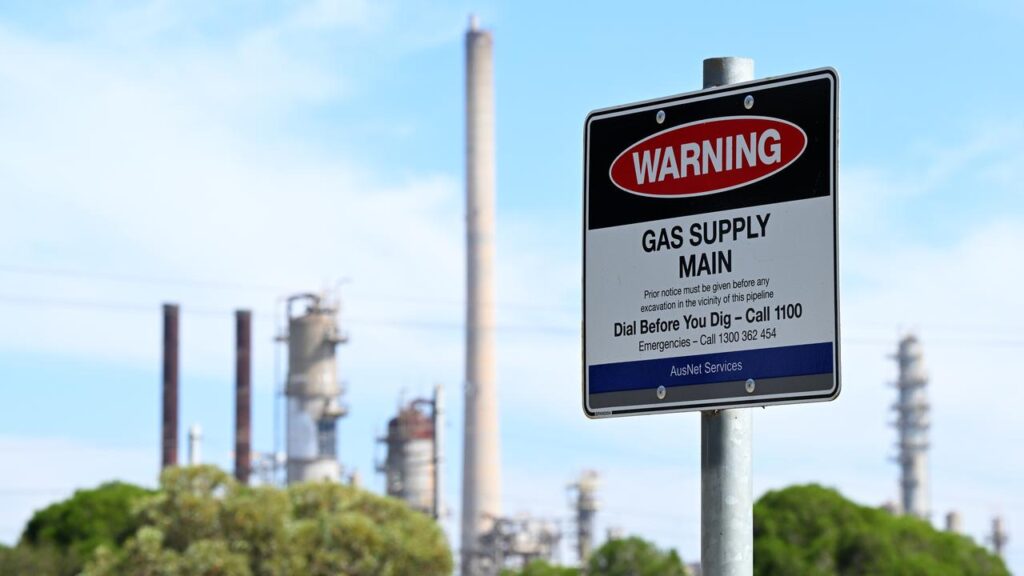
The opposition is marking its turf on plans to create a national domestic gas reserve as the government seeks to win a deal before the end of the parliamentary year.
While Prime Minister Anthony Albanese is overseas at summits in the Philippines and China, political machinations will continue on Monday with a Senate-only sitting for the first of the final two parliamentary weeks of 2026.
Plans to require gas companies to set aside up to 20 per cent of their exports for use in Australia will dominate the sitting week as Labor negotiates with the coalition to get the deal over the line.
The government will need support from either the opposition or the Greens to get the laws through the Senate and the coalition looms as the more likely path to make the changes law.
The coalition wants the scheme to exclude Western Australia, which has had its own gas reservation policy since 2006.
“WA shouldn’t be in it because they don’t have the problem we have on the east coast – this has always been an east coast problem,” Opposition Leader Angus Taylor said.
When pressed on whether the state’s inclusion would be a red line in determining the coalition’s support for the bill, Mr Taylor said it was “a critical issue”.
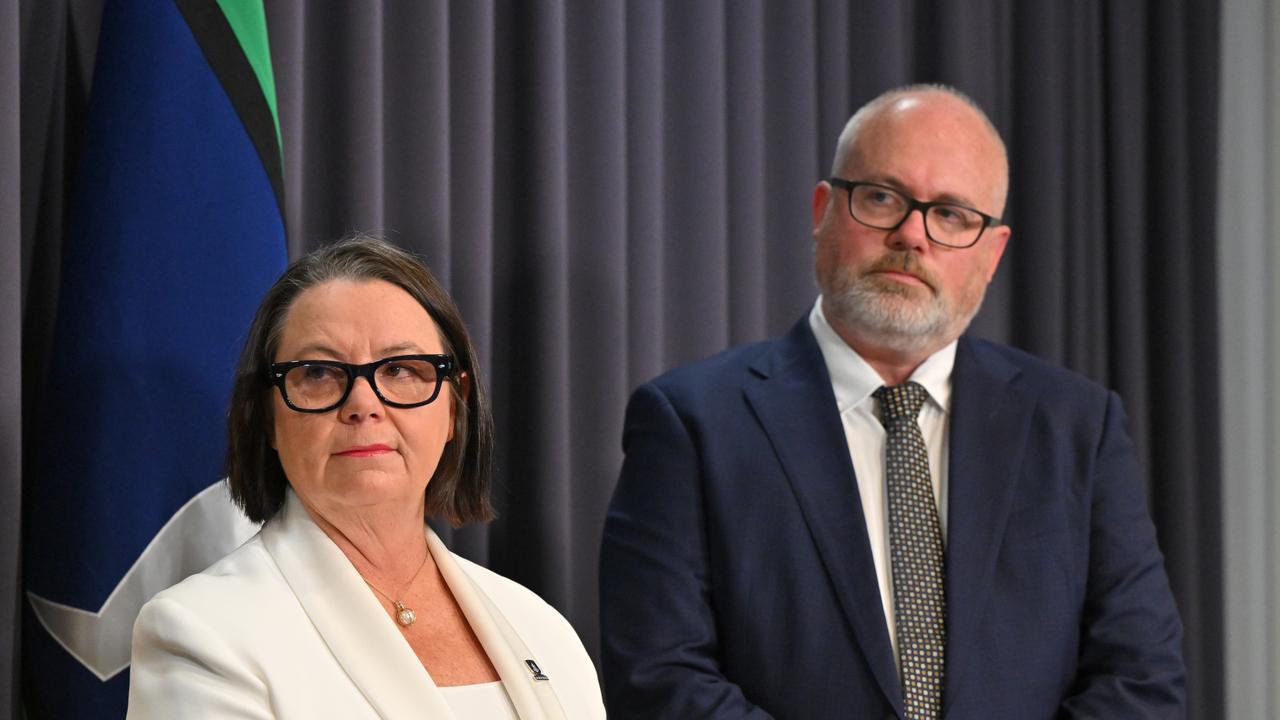
Resources Minister Madeleine King said the national scheme could incorporate WA, which has its own network of gas pipelines, while being flexible to the resource-rich state’s unique needs.
“It does set up the opportunity for the domestic supply obligations within the western market to be set at zero or very low, depending on whether that market is well supplied,” she said.
The government had “really good” discussions with the coalition, Ms King added, noting both parties were determined to change the status quo and maintaining Labor was open to discussion on sticking points.
In a Senate inquiry report released on Wednesday, the coalition said it was open to supporting the reservation policy but only if changes were made, saying the current proposal would hurt domestic gas producers and risk future supply.
But securing cheaper gas for manufacturing was more important than protecting the resources industry’s bottom-line, Industry Minister Tim Ayres said.
“This places a heavy burden on our gas producers in the Australian national interest,” he said.
“It’s certainly true that the gas reservation eats into very high profits in the gas sector, but it does it … in a way that protects hundreds of thousands of blue-collar jobs.”
In an open letter, business lobby the Australian Industry Group and peak union body the ACTU joined a chorus calling on parliament to pass the gas reserve bill.
“On the east coast, risks of gas shortages are common, and prices have become tied to volatile and high-priced global markets, with the cost borne by manufacturers, workers, households and small businesses,” the letter said.

The government is still aiming to pass laws for a digital duty of care and to remove higher private health insurance rebates for those older than 65.
It’s the second time Labor has tried to pass the insurance changes after the laws were thrown out of the Senate due to opposition from the coalition, Greens and the cross bench.
The Greens have signalled they will be willing to pass the changes if pensioners are exempt.
A fight over changes to taxes on trusts is also expected.
Budget measures would apply a 30 per cent minimum tax to discretionary trusts, prompting anger from the business sector.
AAP