Big bank spells out major housing construction drought
Lucinda Garbutt-Young and Will Nicholas |

Efforts by Labor to boost home building have been labelled a failure so far by one of Australia’s big-four banks.
Westpac is lending to 30 per cent fewer housing construction projects than it did up to a year and a half ago, its bosses told a parliamentary inquiry on Thursday.
The bank was careful not to pin the tailspin on the government’s abolition of negative gearing and the capital gains tax discount in the federal budget in May, chalking it up mainly to cost pressures.
Each dollar was “delivering fewer houses”, Westpac chief executive Anthony Miller told MPs.

But it reported investors’ appetite for home-building had been lacklustre since the changes were announced.
Labor’s reforms included a carve-out letting investors negatively gear new builds – meant to incentivise construction investment – but Mr Miller said Westpac was yet to see that take shape.
“There is some improvement in that area, but it has not come through as fast or as significant as perhaps we would like,” Mr Miller said.
He said governments still needed to work harder to spur new building investment, boost supply and improve housing affordability.
“Providing more resource for the demand side isn’t going to solve the problem,” he said.
The day before Thursday’s hearings, it was revealed investor home loans had cratered by a record 30.6 per cent in the year to September.
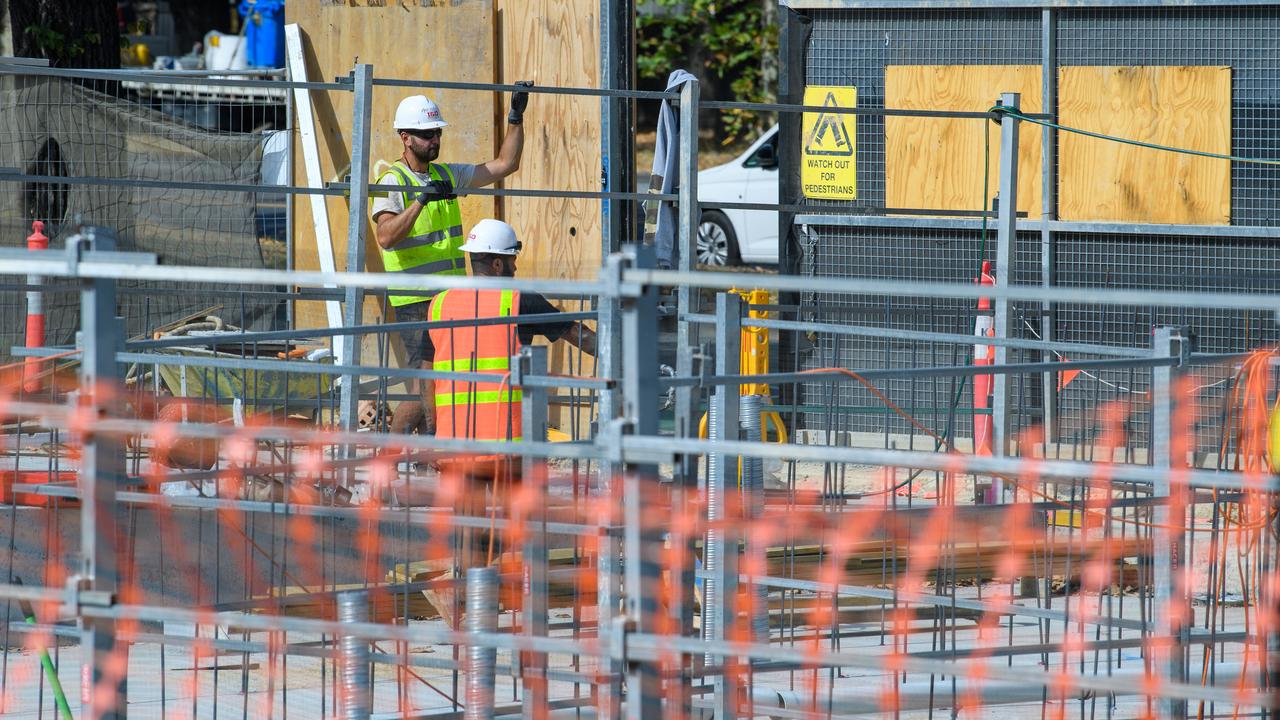
Labor hailed the crash as a win for first home-buyers because it showed speculators were retreating from the market much faster than owner-occupiers.
It also cheered an uptick in the volume of investor loans going to new builds, which jumped from 17 to 28 per cent between the March and September quarters.
But in Thursday’s hearings, Mr Miller said higher building costs and sluggish approvals were evaporating builders’ margins, concentrating investment too far up-market where earnings were fatter.
“It’s directing investors and builders to focus on higher-margin, higher-end, more expensive housing, and that’s not what we need – what we need is more affordable housing,” Mr Miller said.
“To build 15 apartments here, my margin on that would be 10 per cent, but if I build just three, I can have a margin of 30 per cent,” he said.
“We’ve got to step back and say, ‘what are we doing to mitigate those risks so that costs will move away from you as a developer?'”
Westpac was also grilled on its adoption of AI, which critics have held responsible for the sacking and offshoring of thousands of bankers in recent years.
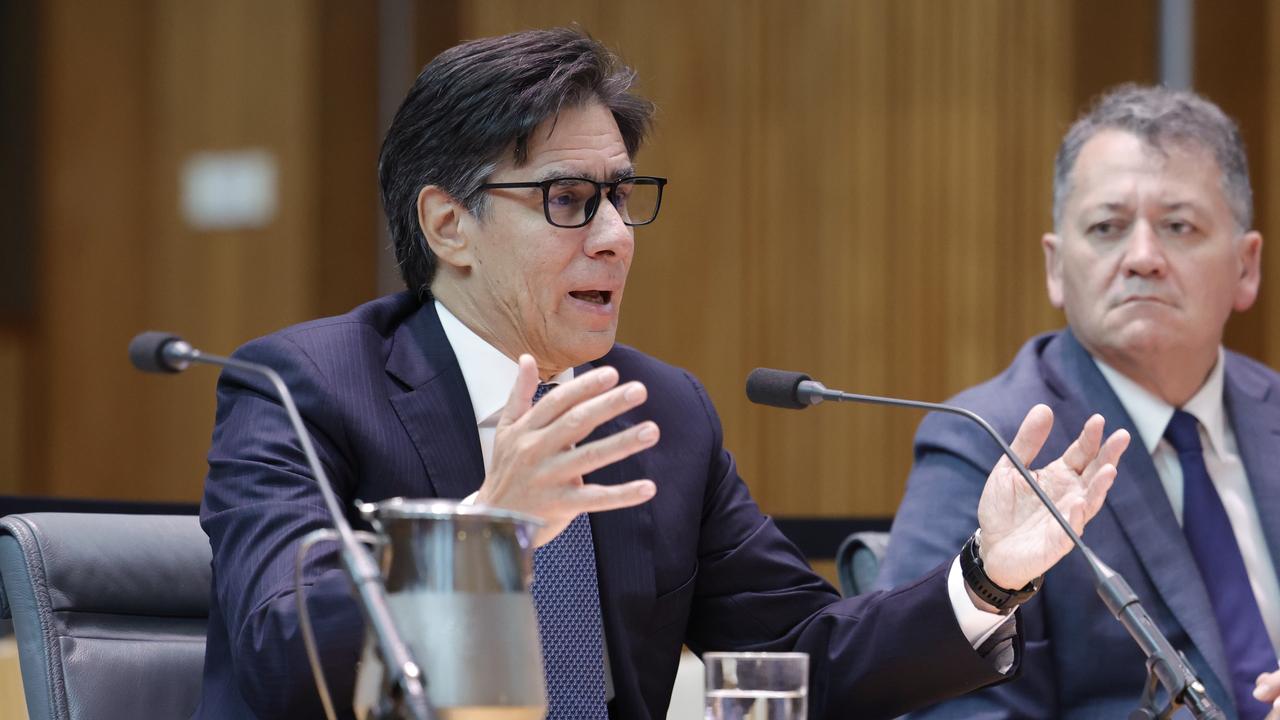
On Monday, ANZ announced it had completed a program to shed 3500 workers, which was flagged in September 2025, but during the hearing on Thursday said AI was not to blame.
Chief executive Nuno Matos could not guarantee there would be no job losses due to the technology, while the Westpac boss declared replacing humans with bots was not the bank’s focus.
“Some of the commentary and some of the hype around what it will do and how it will transform – there’s a long way to go,” Mr Miller said of AI.
“It’s not a immediate ‘we’re going to replace humans with agentic capability’ – that is not how we approach it.”
The hearings will continue on Friday, with the Commonwealth Bank and NAB to give evidence.
AAP