November rate hike a lock after ‘ugly’ inflation result
Jacob Shteyman |
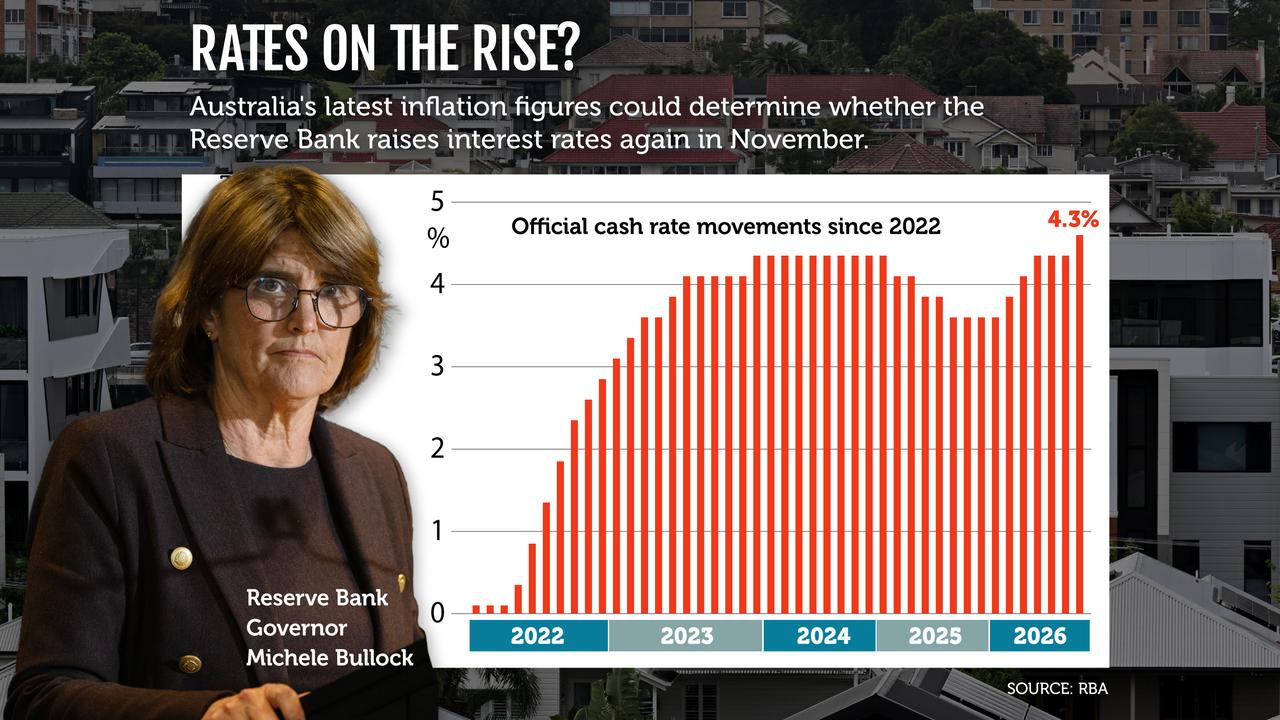
A Melbourne Cup Day rate hike is odds-on after another hot inflation reading pushed the Reserve Bank’s patience to the limit.
The RBA’s preferred measure of core inflation – the quarterly trimmed mean – climbed one per cent in the three months ended September, the Australian Bureau of Statistics revealed on Wednesday.
While that was in line with economist expectations, it exceeded the central bank’s forecast for a 0.8 per cent increase.
On an annualised basis, the quarterly trimmed mean rose from 3.6 to 3.7 per cent, higher than expected.
“This is an ugly number for the RBA and significantly strengthens the case for another rate hike next week,” senior investment strategist at ETF provider Global X Marc Jocum said.
Bond market pricing for a November rate hike climbed from about 60 per cent ahead of the release to above 80 per cent, Mr Jocum said.
Economists at NAB and Commonwealth Bank changed their rate bets from a hold to a hike, joining colleagues at ANZ and Westpac.
The turnaround in rate expectations in recent weeks has been driven as much by data as the RBA’s response to the figures.
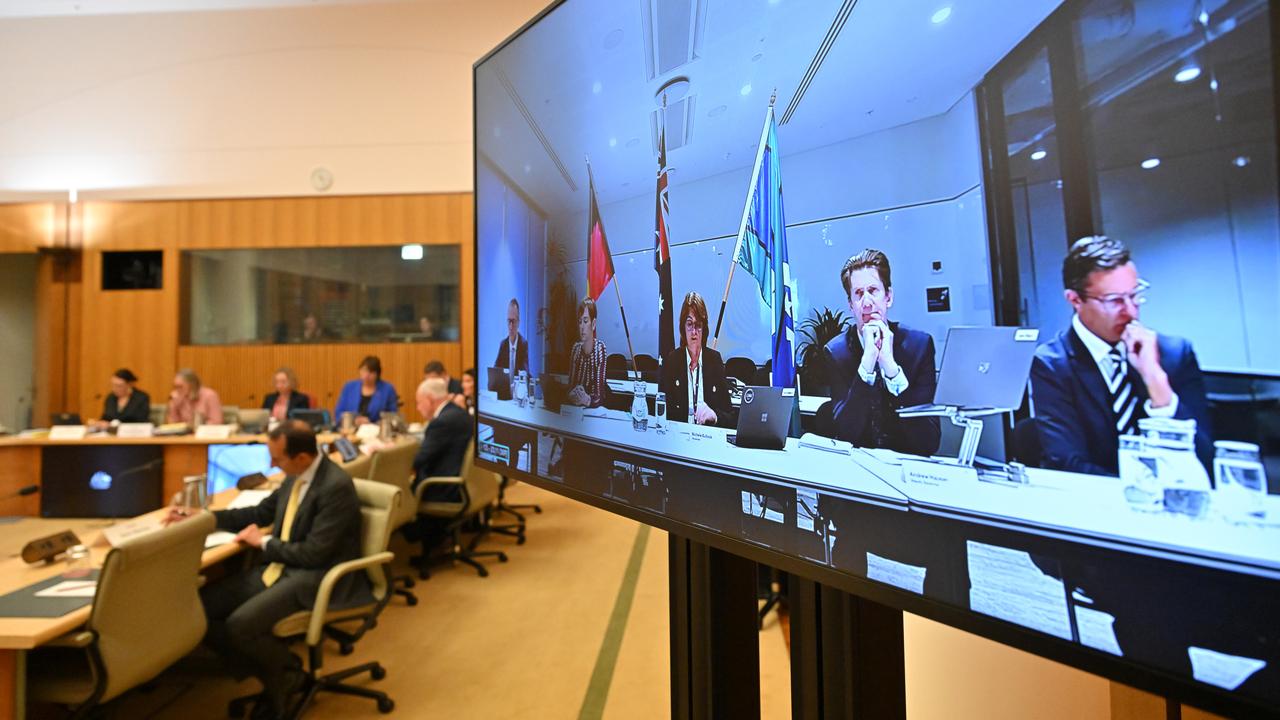
While inflation was too high, it was broadly in line with what the RBA was expecting, deputy governor Andrew Hauser said, appearing alongside governor Michele Bullock and other central bank officials at a Senate estimates hearing as the data was published.
The inflation readings followed jobs data that showed the labour market softening faster than the RBA expected.
Despite that, Ms Bullock told the hearing the labour market seemed tighter than the RBA previously judged.
That showed the central bank was rethinking how hard it would have to hit the economy to bring inflation down, NAB chief economist Sally Auld said.
“That sort of tells you that actually, maybe getting to five per cent is not enough on unemployment. We might have to get to five and a half,” Dr Auld told AAP.
“And if that’s the case, financial conditions have got to be tighter to get that extra slowing in growth to push the unemployment rate up.”
That’s bad news for Australian households already turning increasingly to cheap mince to cope with the rising cost of living, as Woolworths chief executive Amanda Bardwell told shareholders during a quarterly earnings call on Wednesday.
While the trimmed mean was the focus of the Reserve Bank, prices paid by everyday Australians climbed from four per cent to 4.3 per cent in the 12 months to September.
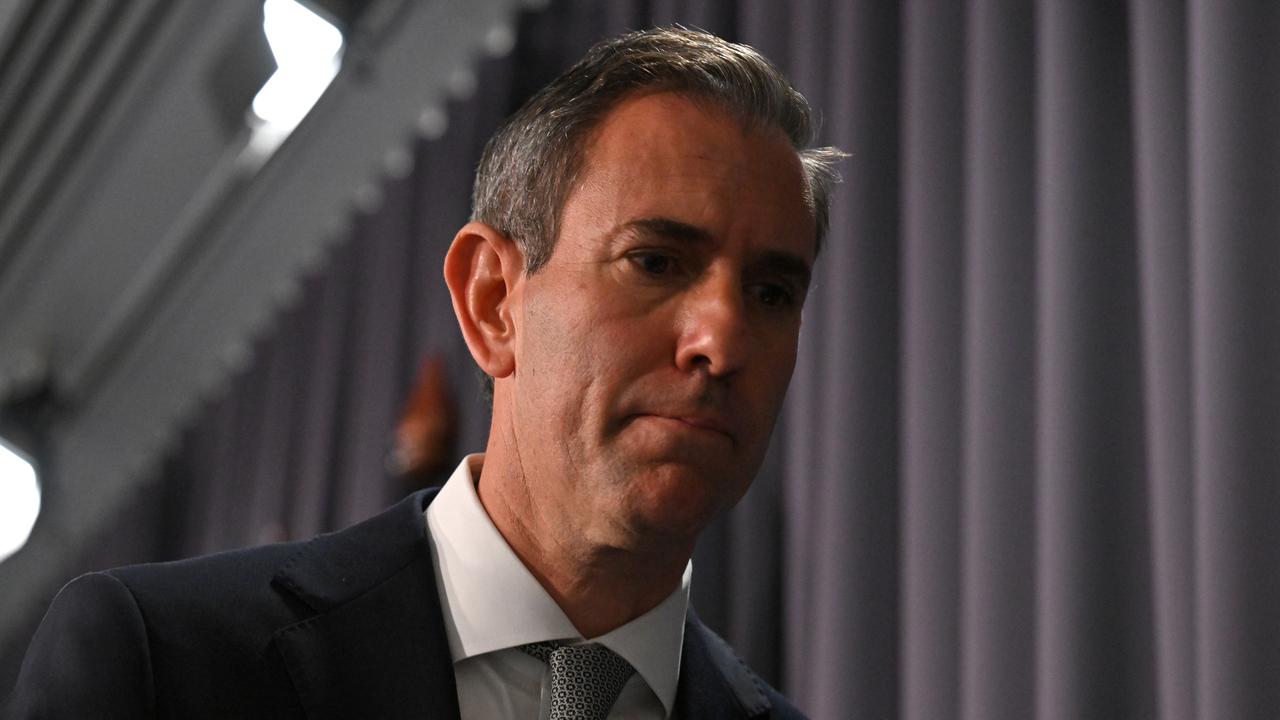
High fuel prices, which rose 9.4 per cent in September, were the primary driver of the jump in headline inflation, Treasurer Jim Chalmers said.
He said the government could do more to help take some steam out of the economy, promising more savings measures in the December mid-year budget update.
“We take responsibility for government policy when it comes to the fiscal settings and when it comes to managing the budget in a responsible way in the face of this inflation challenge, which is persisting longer than anyone would like,” he said.
While the Middle East conflict was driving up price growth, inflation in parts of the economy less exposed to commodity prices and more exposed to domestic capacity pressures was picking up speed.
Market services inflation – things like insurance and hairdressing – crept above four per cent for the first time since late 2025, Deloitte Access Economics partner Stephen Smith said.
“In other words, price growth in parts of the economy not directly exposed to the effects of the Middle East conflict remains uncomfortably high,” he said.
Shadow Treasurer Tim Wilson said the government was forcing the RBA’s hand to raise rates by driving up underlying inflation.
“I know the treasurer likes to come up with excuses. Well, Australians can’t pay their mortgage with your excuses, Jim,” he said.
AAP