Warming seas threaten billion-dollar salmon industry
Jennifer Dudley-Nicholson |
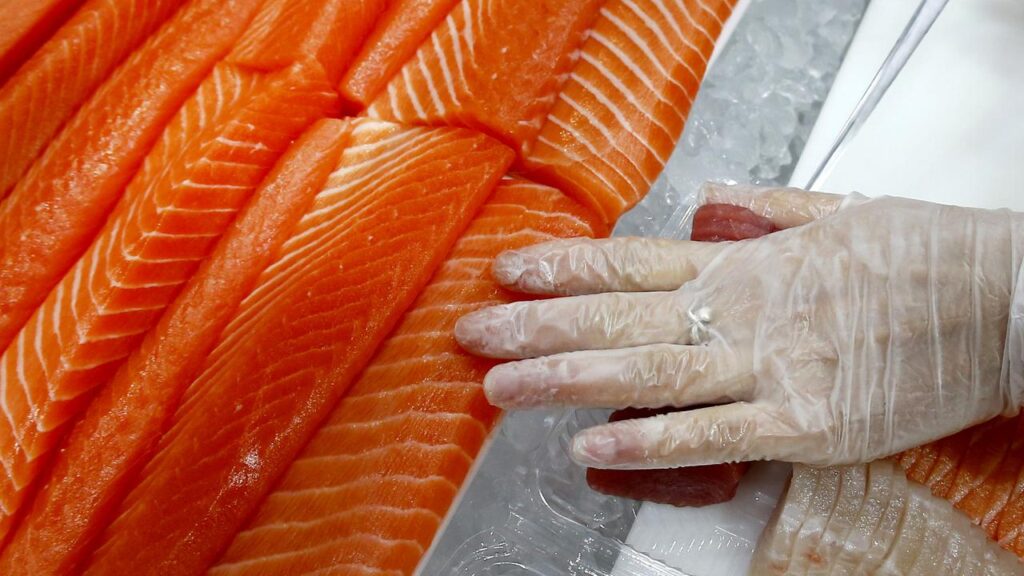
Australia’s billion-dollar salmon industry faces an “existential threat” from global warming, with a report warning its biggest producers are failing to fully disclose the financial cost of rising ocean temperatures.
Just 1C of ocean warming could put $23.7 million in revenue at risk for one of Tasmania’s major salmon firms, it found, due to increasing fish deaths.
The University of Technology Sydney released the findings in its Swimming Against the Tide report on Wednesday, which analysed climate risks to Australia’s salmon industry and financial reports from its three largest producers.
The study comes as the Australian Bureau of Meteorology reports ocean temperatures are up to 3C above average around southern Australia, with strong El Nino conditions forecast to persist.
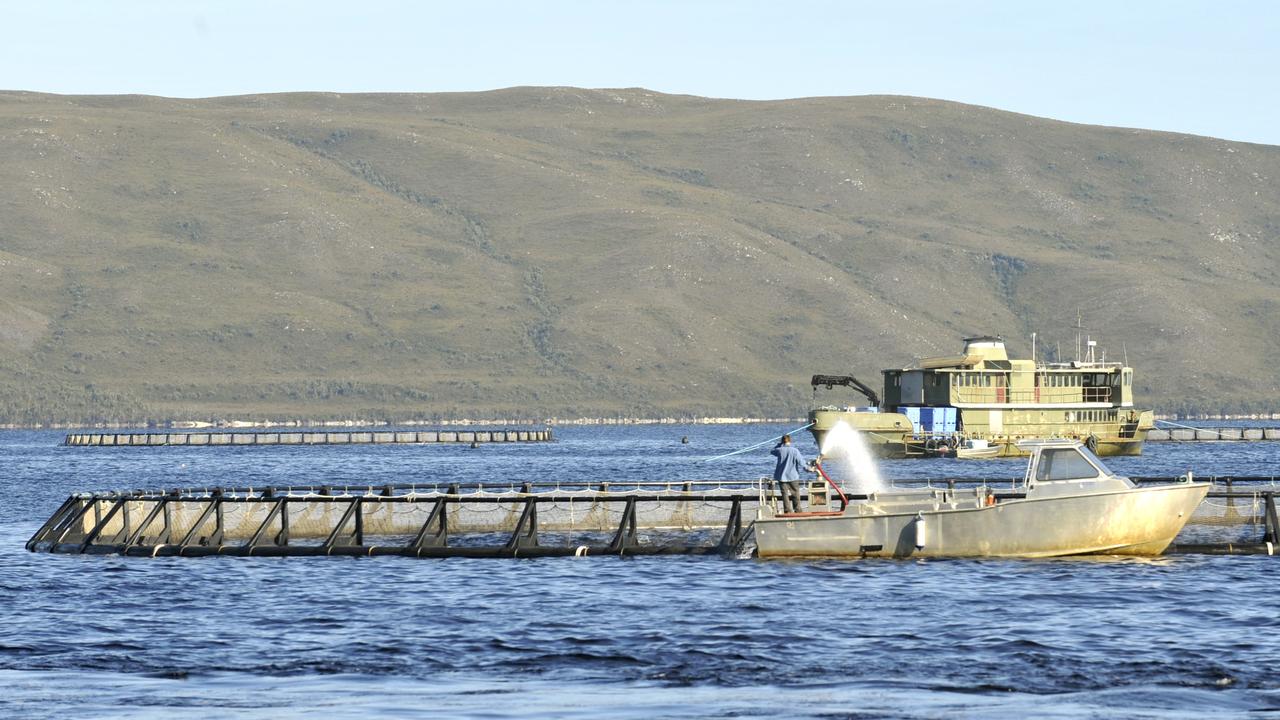
The 41-page report, undertaken by the university’s Institute for Sustainable Futures and commissioned by the Australian Marine Conservation Society, analysed climate risks to Tasmania’s salmon-farming industry, its future viability, and whether its biggest producers had fully disclosed financial implications.
More than 90 per cent of Australia’s farmed Atlantic salmon is produced in Tasmanian waters, and the industry was worth more than $1.36 billion in 2022-23.
But warming seas were already contributing to mass mortality events, the report found, by reducing oxygen levels and increasing disease outbreaks.
“The salmon farming industry is highly vulnerable to climate change, which poses an existential threat to the viability of Tasmanian salmon farming,” it said.
Researchers also examined public sustainability reports, financial disclosures and business strategies published by Tasmanian firms Tassal, Huon and Petuna.
The reports did not adequately quantify the potential cost of salmon deaths due to climate change or the cost of adapting to it, University of Technology Sydney researcher and report co-author Hollie Cheung said.
“Climate change is already having devastating impacts on salmon farmed in Tasmania,” she said.
“The full economic, environmental and social costs of warmer waters, marine heatwaves and numerous disease outbreaks are not disclosed by companies for impacts now or in the future.”
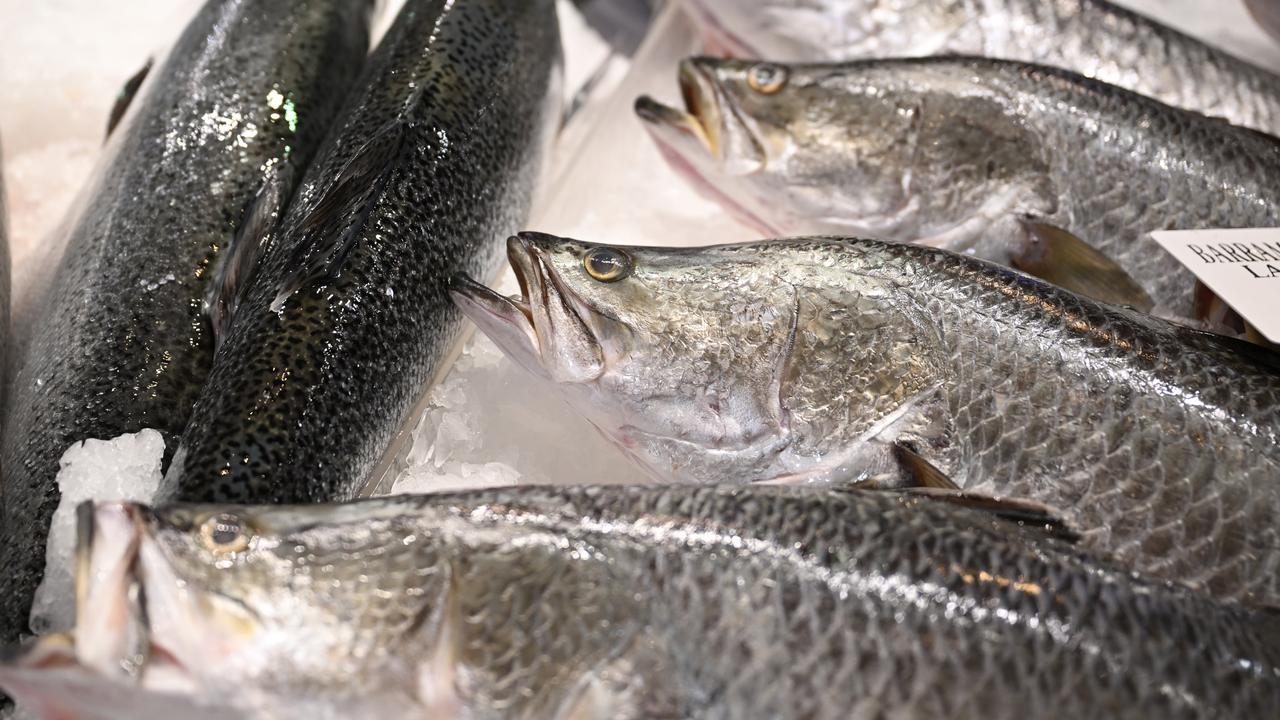
The largest of the three producers, Tassal, estimated that 1C of ocean warming could increase salmon deaths from 15 to 18.5 per 100 fish, which researchers calculated could cost $23.7 million per year.
Ocean warming would pose a growing risk to the sector, the study said, and companies “should create clear transition plans… and set exit dates for inshore farming.”
Tasmanian salmon producers should make the risks clearer, Australian Marine Conservation Society marine biologist Dr Leonardo Guida said, to allow the industry to plan ahead.
“Transparent and detailed reporting lets workers, investors and communities judge a business before the bill lands on the environment and taxpayers,” he said.
“Workers, communities and investors don’t just deserve to know what tomorrow looks like – they need to.”
AAP