Worse than 2007: productivity stat bad news for the RBA
Jacob Shteyman and Andrew Brown |
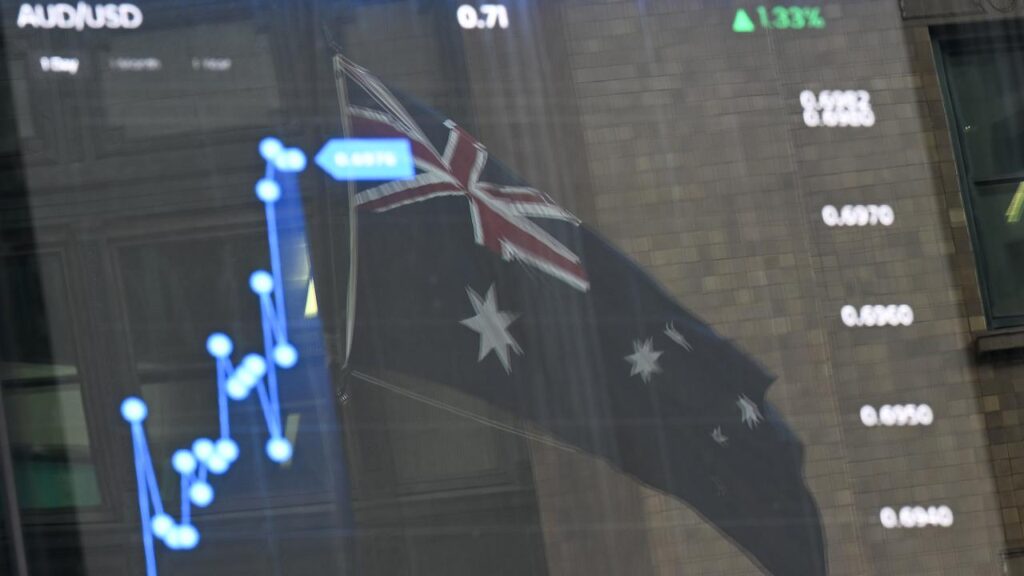
Productivity in government-funded jobs such as health and aged care has fallen below 2007 levels, underscoring the need for more reform to turn around Australia’s stagnating economy.
Fresh figures from the Australian Bureau of Statistics showed productivity declined 0.2 per cent in the year to June after a flat result in the June quarter.
While labour productivity in the market sector increased 0.2 per cent in the June quarter, productivity in non-market jobs that rely on government funding declined 0.1 per cent.
Non-market sector productivity, which has driven the broader productivity stagnation, is now below the level it was in March 2007, Productivity Commission deputy chair Alex Robson said.
The fall in non-market productivity has coincided with a substantial increase in health, aged care, disability and aged care roles in recent years.
The lacklustre result underscored the need for further reform, Dr Robson said.
“While this quarter’s flat overall result is an improvement on the decline in the March quarter, the stagnant pattern across the economy remains a cause for concern,” he said.
“No single policy can bring productivity growth to its long-term average – governments will have to make a lot of pro-productivity decisions.”
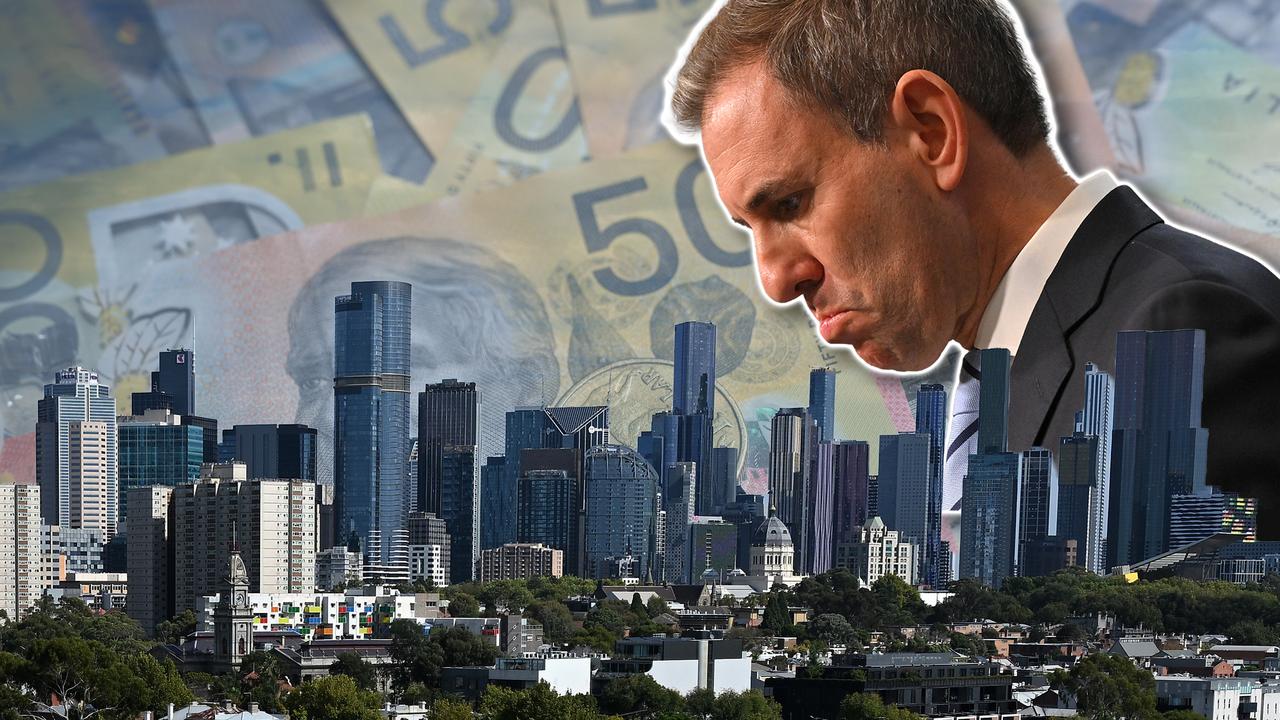
Treasurer Jim Chalmers said productivity was still a major concern, as GDP figures further cemented the odds of the Reserve Bank lifting interest rates again.
“This is a two-decade problem that will take more than 12 months, or even more than a couple of years, to turn around,” he told ABC Radio on Thursday.
“Right around the world, with the possible exception of the US, countries have got a productivity challenge a bit like ours.”
Dr Chalmers said the GDP figures showed the economy was resilient but serious challenges remained.
“The private sector recovered much quicker than anticipated last year, and again, in the national accounts yesterday, we saw domestic growth being driven overwhelmingly by private demand,” he said.
Wednesday’s GDP data appeared to scupper the Reserve Bank’s hope that higher borrowing costs and a rapidly deteriorating housing market could slow the economy enough to bring inflation under control without further rate rises.
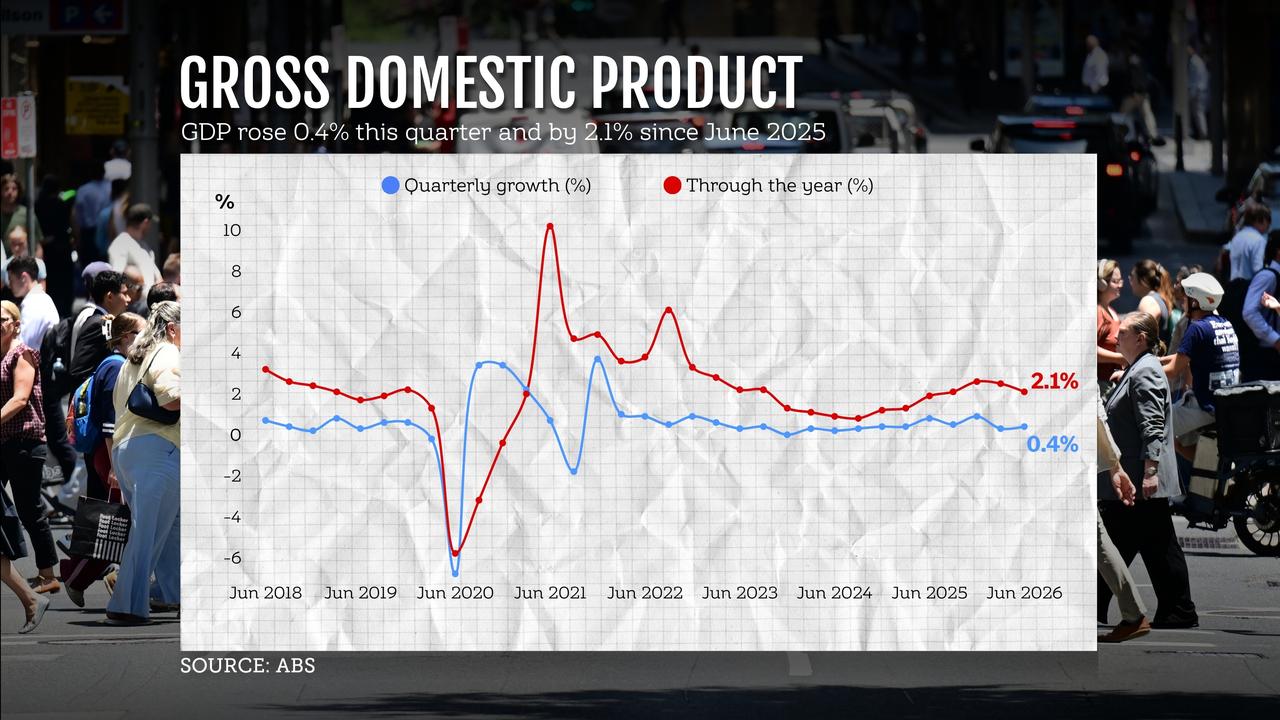
At 2.1 per cent year-on-year, the economy was growing above the central bank’s assumed “speed limit” of two per cent, HSBC chief economist Paul Bloxham said.
Low productivity growth meant the economy could not grow above its speed limit without pushing up inflation, he said.
Mr Bloxham expects the Reserve Bank will need to hike rates twice more, in September and either November or December, resulting in an even deeper house price decline of 13 per cent, peak to trough.
The GDP figures came as bond yields climbed to a 15-year high.
The yield on the benchmark Australian 10-year bond hit 5.2 per cent on expectations of more rate hikes.
Rates markets were fully priced in for another Reserve Bank rate rise by the end of the year, with a follow-up hike by mid-2027 priced in about 80 per cent.
AMP chief economist Shane Oliver said higher interest rates and higher bond yields were likely to be acutely felt by the federal government, which could face billions of dollars extra in annual repayments to service more than $1 trillion in debt.
“It will put on more pressure to cut government spending, basically.
“It’s almost as if the bond vigilantes are coming back out of the woodwork after being asleep for a few decades.”
AAP