Premier plays down data centre impact on power prices
Andrew Brown, Noah Secomb and Tess Ikonomou |
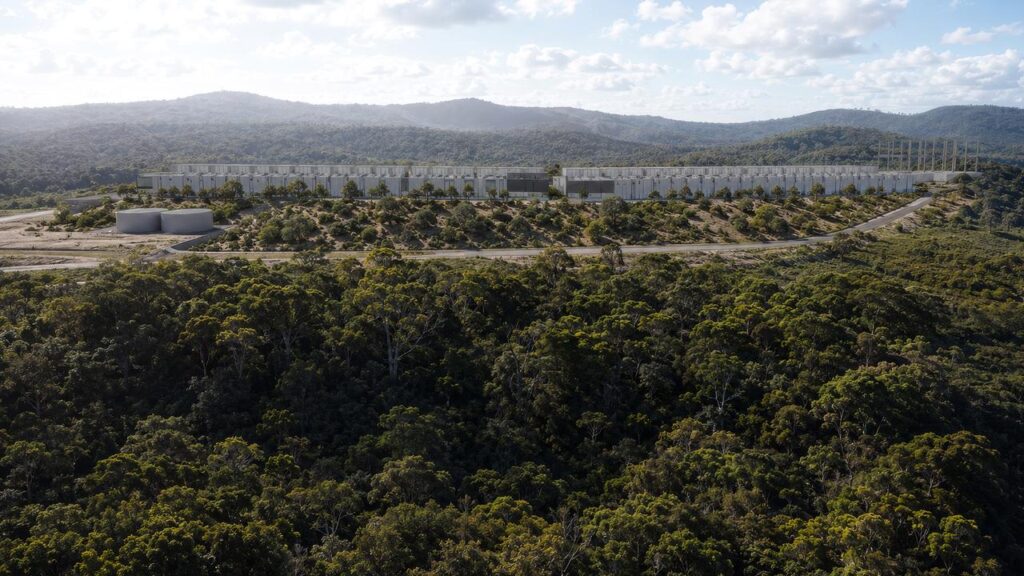
Queenslanders won’t be slugged with higher energy prices after the state received a carve out on how AI data centres are powered, the premier claims.
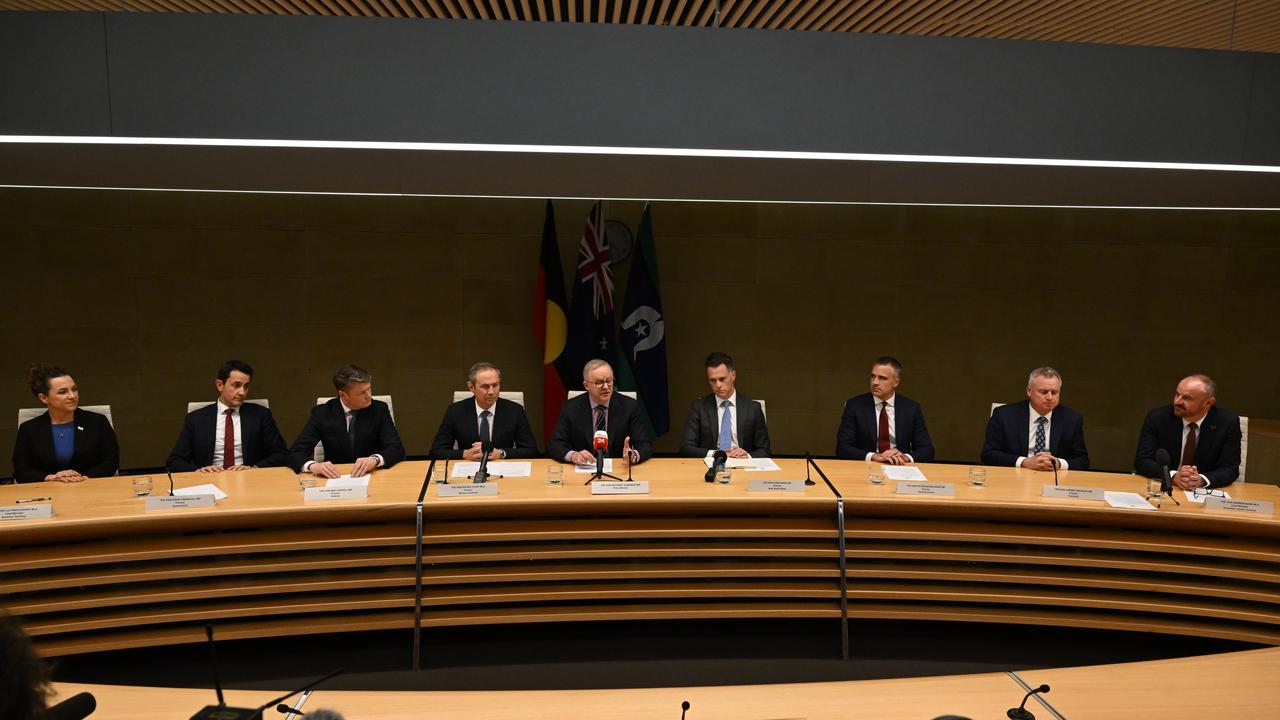
Prime Minister Anthony Albanese met with state and territory leaders for national cabinet on Wednesday, with mandates for AI data centre developers to provide renewable energy.
But following a backlash from Queensland and the Northern Territory, which called for the centres to be backed by coal and gas reserves, the two jurisdictions received a carve-out from the measures.
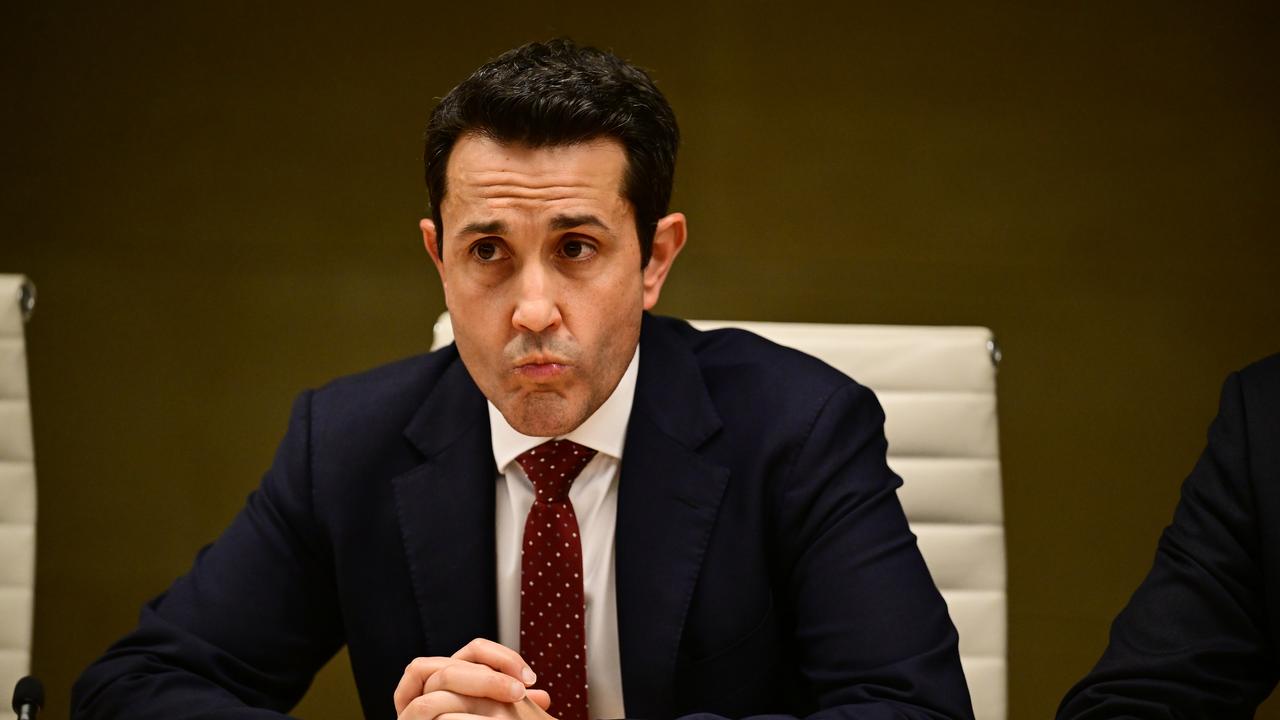
Queensland Premier David Crisafulli said the state had a point of difference from other jurisdictions in its energy approach, rejecting claims the data centres would lead to higher power prices.
“This enables us to bring on more power and the affordable, reliable and sustainable power,” he told Seven’s Sunrise on Thursday.
“In the process, not only can we bring on things, control our own data sovereignty, create some economic opportunities, we can actually keep driving down power prices so it works to everyone’s advantage if we get this right.”
State treasurer David Janetzki said Queensland supported renewables, but coal and gas should not be ruled out for how data centres are run.
“We do believe there’ll be an opportunity for the renewables to feed into data centres and we won’t be ruling out one energy form over another,” he told ABC Radio.
“Coal generation in Queensland remains reliable and strong. So there will be a role for all energy sources as the data centre industry moves forward.”
Mr Albanese flagged draft legislation will be introduced by the end of 2026, with the aim for it to be passed in early 2027.
“We want to make sure that in attracting investment, we don’t have eight different systems operating around the country,” he said on Wednesday.
“That’s why we came to a common position, which recognises that all states aren’t exactly the same, and that was accommodated in the way that we normally do in a flexible way.”
Greens senator David Shoebridge said the carve-out on data centres from the prime minister was a capitulation at the first obstacle.
“Anthony Albanese came out … barely six weeks ago, and made this landmark speech where he said, ‘You know, on AI, we’re going to insist upon renewables and new renewables’,” he told News24.
“This was a collapse, a complete collapse by Labor within barely six weeks.”
South Australia Premier Peter Malinauskas said the nation’s leaders agreed renewables would “principally be the form of energy that will pay our data centres in the future in Australia”.
“Acknowledging that there are different circumstances through the fact that in Queensland, for instance, they have state-owned generation,” he told ABC’s 7.30 on Wednesday.
“So there’s no need for the federal government to use its powers that it has to override what states want.”
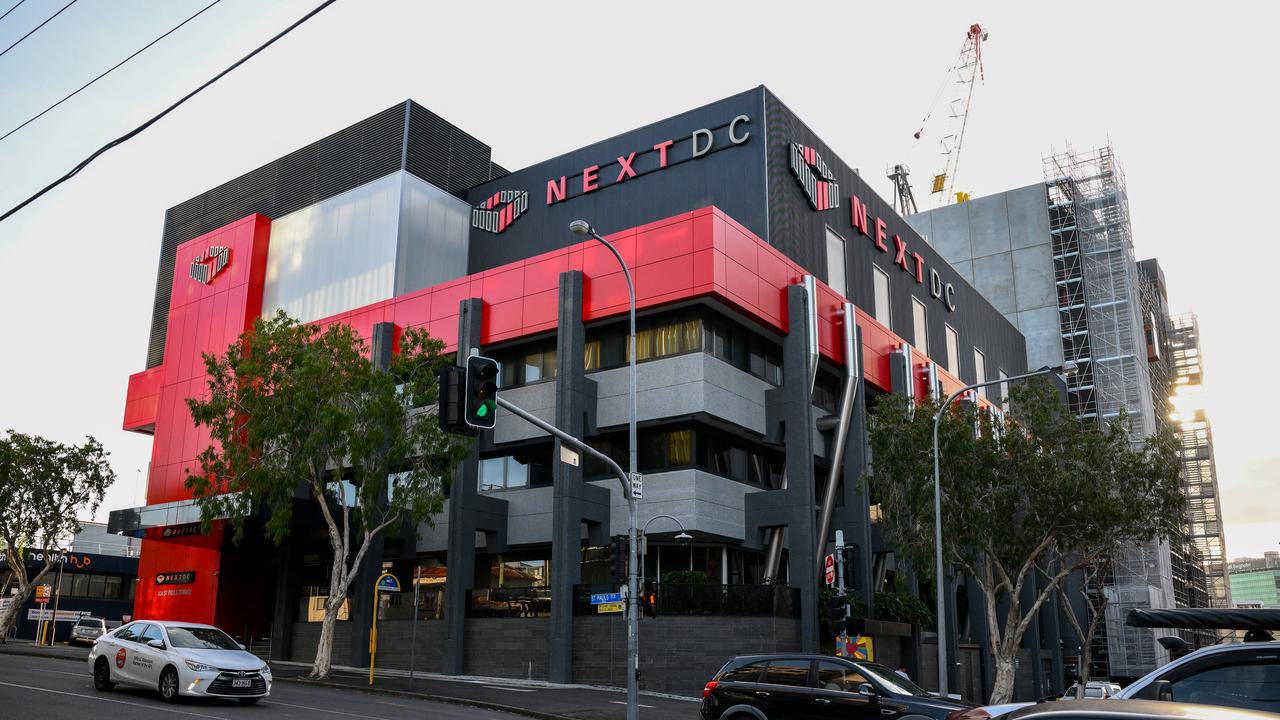
Sydney University energy expert Gregor Verbic said the national grid was facing the imminent closure of multiple coal-fired power stations.
“(It) will leave a huge gap in the generation capacity, and we are not building new capacity fast enough,” he told AAP.
The federal government has proposed legislation to force data centre developers to provide their own renewable energy source.
Both Queensland and NT governments provided considerable pushback, with the final national agreement failing to mention renewable energy directly.
Professor Verbic said ensuring the energy brought online was renewable was essential to meet Australia’s emissions reduction targets.
“Gas is quite expensive, so I would argue that renewables firmed by utility-scale storage, possibly some gas, is a cheaper solution,” he said.
“Gas can be kept as an option for firming … but as a base load or continuous source of supply, gas is not the right option.”
AAP